
Summary
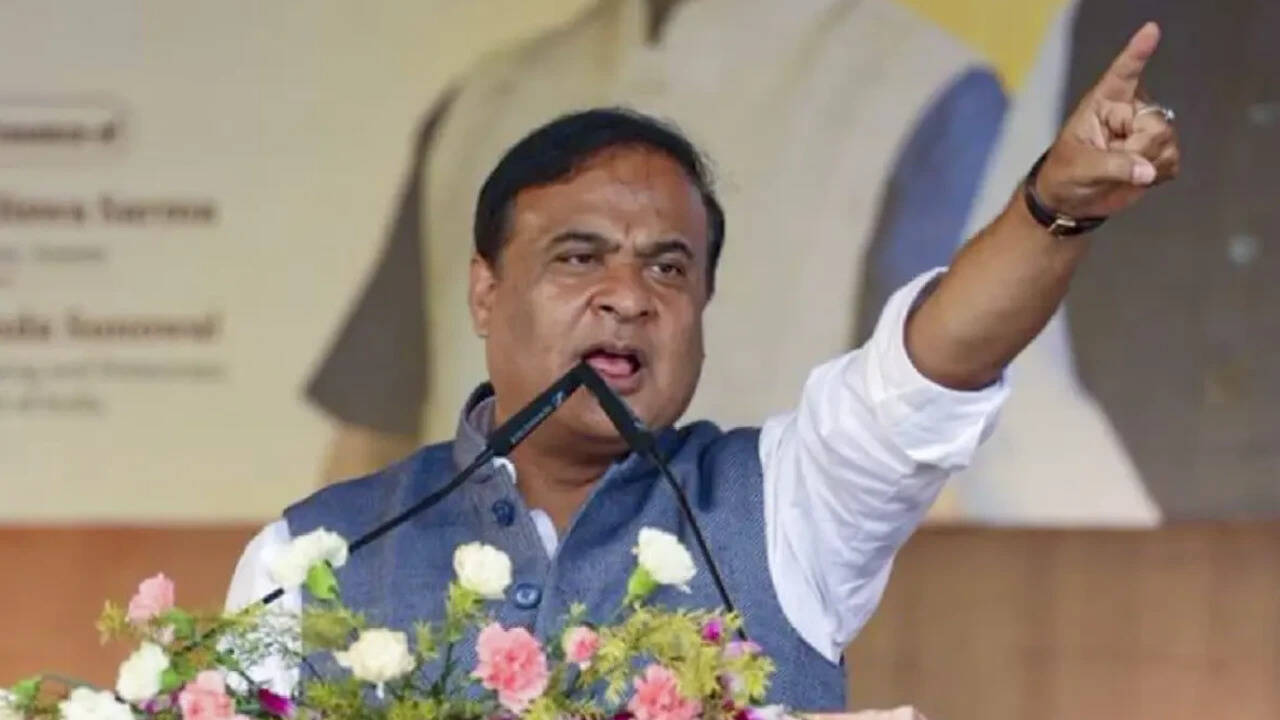
The Gauhati High Court has officially asked the Chief Minister of Assam, Himanta Biswa Sarma, to respond to legal petitions filed against him. These petitions, known as Public Interest Litigations (PILs), claim that the Chief Minister has made several hate speeches. The court has set a strict deadline, giving the leader four weeks to file his formal reply. This move highlights the growing legal focus on how top political leaders use their words in public spaces.
Main Impact
This legal development is a major step in holding high-ranking officials accountable for their public statements. When a court issues a notice to a sitting Chief Minister, it sends a strong message that the law applies to everyone, regardless of their position. The impact of this case could change the way political campaigns are run in the region. It forces leaders to be more careful about the language they use, especially when talking about different communities or social groups. If the court finds that the speeches violated the law, it could lead to stricter rules for political speech across the country.
Key Details
What Happened
The Gauhati High Court was hearing a set of petitions that accused Chief Minister Himanta Biswa Sarma of making inflammatory remarks. The petitioners argue that these speeches were designed to create divisions among people based on their religion or background. After listening to the initial arguments, the court decided that the Chief Minister must explain his side of the story. A notice was issued, which is a formal way for the court to ask someone to appear or provide a written answer to specific charges.
Important Numbers and Facts
The court has provided a clear timeline for this legal process. The Chief Minister has exactly four weeks to submit his response. The petitions were filed by concerned citizens and groups who believe that public peace is at risk due to such rhetoric. The Gauhati High Court is the highest legal authority in the state of Assam, making this a very serious matter. The legal team representing the petitioners presented several instances of past speeches to support their claims, asking the court to take immediate action to prevent future occurrences.
Background and Context
Assam is a state with a very diverse population. People from many different religions, languages, and ethnic backgrounds live there. Because of this diversity, the social balance is often delicate. In India, there are specific laws meant to stop people from spreading hatred between different groups. These laws are found in the Indian Penal Code. Over the last few years, there has been a lot of debate about where free speech ends and hate speech begins. Critics often argue that political leaders use strong language to win votes, but this can sometimes lead to tension or even violence in local communities. This case is part of a larger national conversation about making sure that political talk does not harm social harmony.
Public or Industry Reaction
The reaction to the court's order has been divided. Supporters of the Chief Minister argue that he is simply speaking the truth about the state's challenges and that his words are being taken out of context. They believe the legal challenges are politically motivated. On the other hand, civil rights activists and opposition leaders have welcomed the court's decision. They say that it is high time for the judiciary to step in and stop the use of divisive language. Legal experts are watching the case closely, as it will help define what counts as "hate speech" in a modern political setting. Many people in Assam are waiting to see how the government will justify the remarks in their official court filing.
What This Means Going Forward
In the coming month, the Chief Minister’s legal team will prepare a detailed response to the allegations. Once the reply is submitted, the Gauhati High Court will review the points raised. The court could decide to dismiss the petitions if they find the explanation satisfactory. However, if the court is not satisfied, it may order a deeper investigation or set new guidelines for public officials. This case will likely stay in the news for a long time, as it touches on the fundamental rights of free speech and the duty of the state to protect all its citizens equally. It also sets a timeline that other courts might follow when dealing with similar complaints against powerful leaders.
Final Take
The Gauhati High Court’s decision to demand an answer from the Chief Minister shows that the legal system is active in protecting social peace. While political leaders have the right to express their views, they also have a responsibility to ensure their words do not cause harm. This case serves as a reminder that the power of speech must be used with caution, especially by those who lead the public. The next four weeks will be crucial in determining the direction of this legal battle and its effect on the political atmosphere in Assam.
Frequently Asked Questions
What is a Public Interest Litigation (PIL)?
A PIL is a legal case filed in a court of law by an individual or a group to protect the interests of the general public. It is often used to address issues like human rights, the environment, or government misconduct.
Why did the court give the Chief Minister four weeks?
Four weeks is a standard amount of time given in legal proceedings for a person or official to gather facts and prepare a formal written response to the court's questions.
What happens if the court finds the speeches were illegal?
If the court decides the speeches violated hate speech laws, it can issue warnings, order the removal of the content, or direct the police to take further legal action according to the law.



