
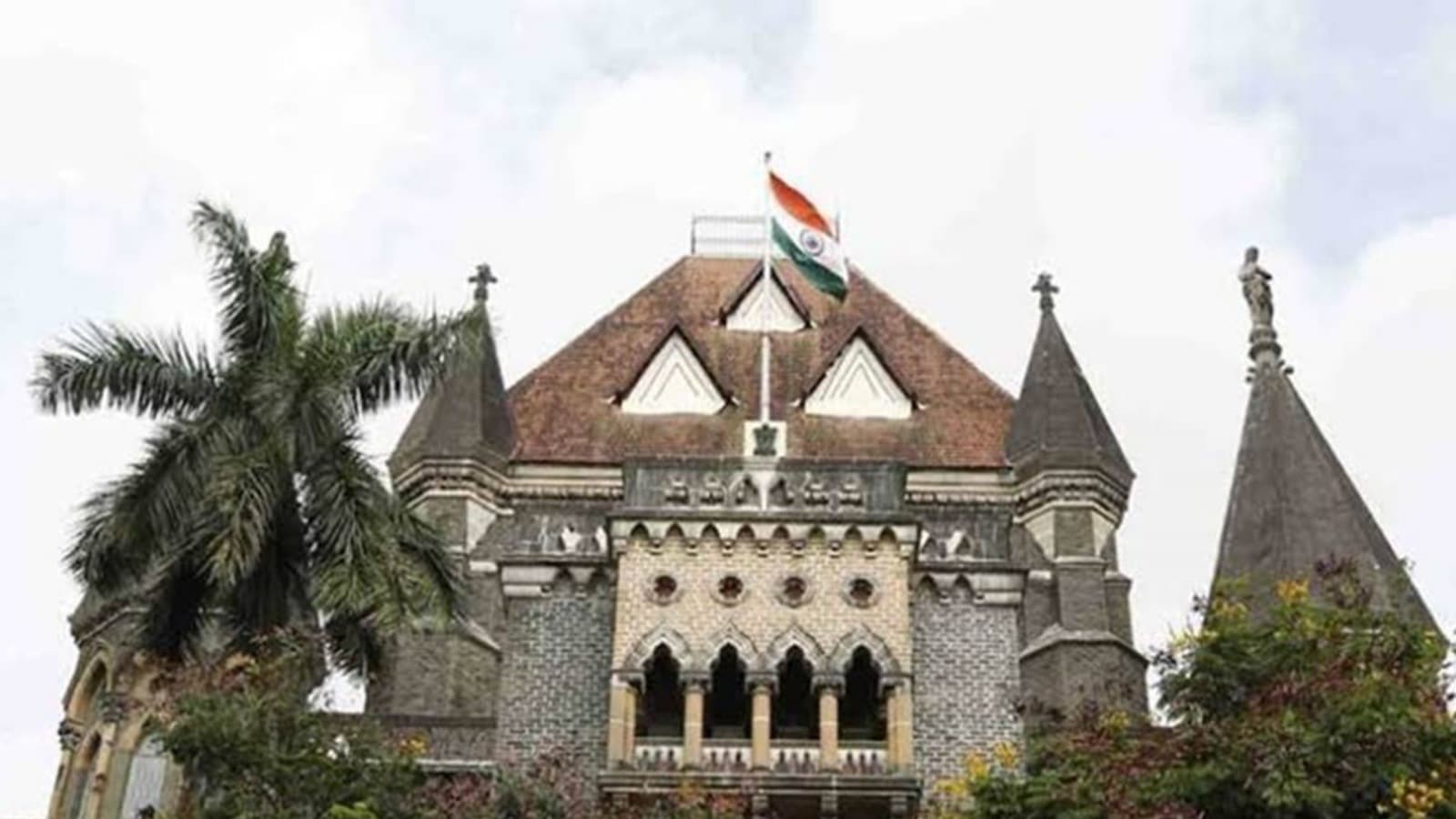
Summary
The High Court has issued a strong warning to government officials regarding their failure to control noise pollution. The court expressed serious concern over the continued use of loud speakers at a mosque, which violates existing noise rules. Because previous orders were not followed, the court warned that it would start contempt of court proceedings against the responsible officers. This situation highlights the struggle between local authorities and the judiciary in enforcing public health and safety laws.
Main Impact
The primary impact of this warning is a direct threat to the job security and legal standing of high-ranking government officials. By mentioning "contempt of court," the judges are signaling that they will no longer accept excuses for inaction. This move forces the police and local administration to take immediate steps to measure and limit sound levels. If they fail to act, these officials could face fines or even jail time for ignoring judicial orders. This case also sets a precedent that religious practices must stay within the bounds of environmental laws.
Key Details
What Happened
The case reached the High Court after local residents filed a petition complaining about the high volume of loudspeakers used for prayers. The residents argued that the noise was constant and happened at hours that disturbed their sleep and daily lives. The court had previously told the government to ensure that noise levels stayed within the legal limits. However, during the most recent hearing, it became clear that very little had changed. The judges noticed that the authorities had not provided proof of any real action taken against the violators.
Important Numbers and Facts
Under the current Noise Pollution (Regulation and Control) Rules, there are strict limits on how loud a sound can be in different areas. In residential zones, the limit is usually 55 decibels during the day and 45 decibels at night. The law also strictly bans the use of loudspeakers between 10:00 PM and 6:00 AM, except in very specific closed indoor spaces or during special events with prior permission. The court pointed out that these rules are not suggestions but are mandatory laws that must be followed by every citizen and organization.
Background and Context
Noise pollution is often overlooked, but it is a serious health issue in many cities. Constant loud noise can lead to hearing loss, high blood pressure, and extreme stress. It is especially harmful to the elderly, small children, and people who are already sick. In this specific case, the conflict is about balancing the right to practice religion with the right of others to live in peace. The courts in India have ruled many times that while people have the right to pray, they do not have a fundamental right to use loudspeakers to do so, especially if it disturbs the public.
The government is responsible for checking sound levels using devices called decibel meters. When a complaint is made, the police are supposed to visit the site, record the sound level, and take away the equipment if it is too loud. In this instance, the court felt the police were being too soft or were simply ignoring the problem to avoid conflict.
Public or Industry Reaction
The reaction to the court's warning has been mixed. Many local residents feel a sense of relief, hoping that they will finally be able to sleep without being woken up by loud noise. They believe the court is their last hope since the local police failed to help them. On the other side, some community members feel that the legal action is targeting their religious traditions. However, legal experts point out that the court's order is based on noise levels, not on the content of what is being broadcast. The focus is entirely on the volume and the timing of the sound.
What This Means Going Forward
Going forward, the government must submit a detailed report to the court showing exactly what they have done to stop the noise. This might include installing "noise limiters" on amplifiers, which prevent the sound from going above a certain level. The police will likely have to conduct regular patrols and keep logs of sound readings. If the noise continues at the next hearing, the court may officially charge the officers with contempt. This would be a major embarrassment for the government and could lead to stricter enforcement of noise laws across the entire state, not just at this one location.
Final Take
The High Court's warning serves as a reminder that laws are only effective if they are enforced. When government officials fail to do their jobs, the judiciary must step in to protect the rights of the people. Public peace and health are more important than the convenience of using loud equipment. This case shows that no institution is above the law, and everyone must respect the right of their neighbors to live in a quiet and healthy environment.
Frequently Asked Questions
What is contempt of court?
Contempt of court happens when someone ignores or disobeys a direct order from a judge. It is a serious offense that can lead to fines or imprisonment for the person who failed to follow the order.
What are the legal noise limits for residential areas?
In most residential areas, the limit is 55 decibels during the day and 45 decibels at night. For comparison, a normal conversation is about 60 decibels, while a lawnmower is around 90 decibels.
Can loudspeakers be used at night?
Generally, no. The law bans the use of loudspeakers in public places between 10:00 PM and 6:00 AM to ensure that people can sleep without disturbance. Special permission is required for any exceptions.



