
Summary
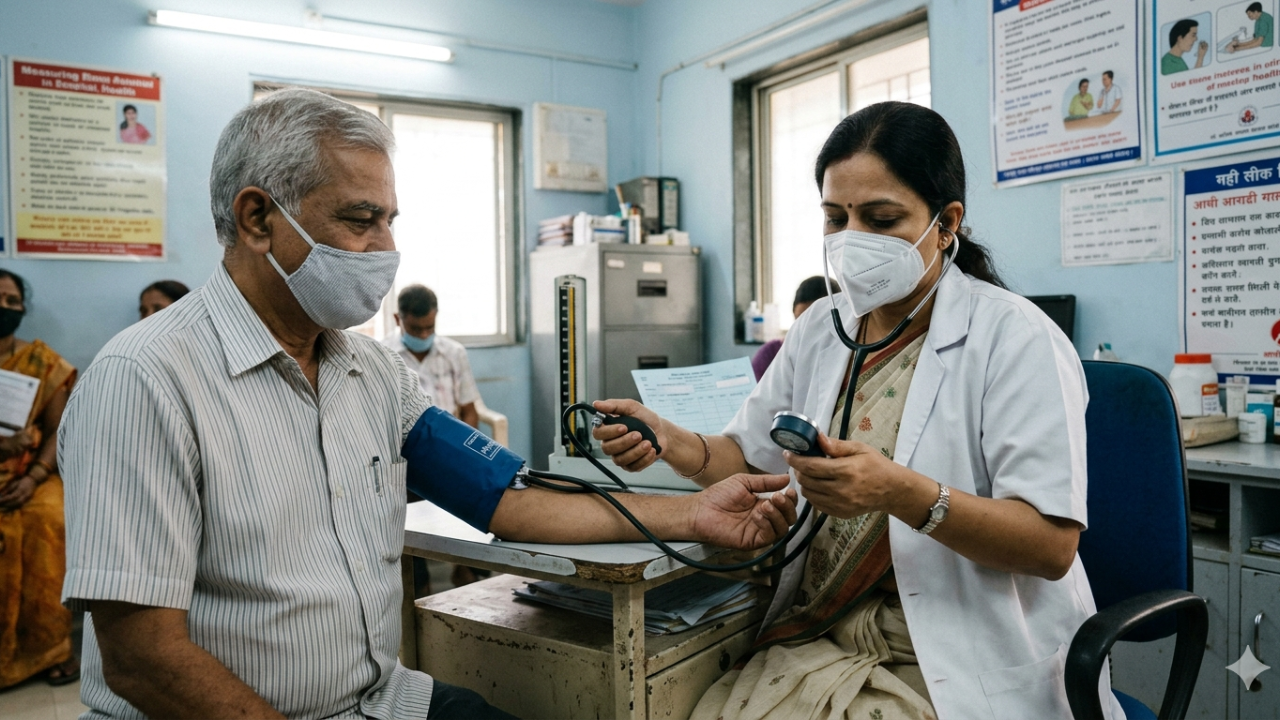
A recent medical study has issued a strong warning to young adults about the long-term risks of high blood pressure. Researchers found that even a small rise in blood pressure during a person's 30s can lead to a much higher risk of heart disease by the time they reach 50. The study suggests that waiting until middle age to worry about heart health is a mistake that could have serious consequences. By focusing on healthy habits early in life, individuals can significantly lower their chances of developing life-threatening heart conditions later on.
Main Impact
The most significant finding of this research is that heart damage can begin much earlier than many people realize. For a long time, high blood pressure was seen as a problem mainly for older adults. However, this study shows that the health of your heart in your 50s is directly linked to your blood pressure levels in your 30s. Even if your blood pressure is still within what doctors call the "normal" range, a steady increase over time can be a warning sign. This discovery changes how doctors think about prevention, moving the focus toward younger age groups who may feel perfectly healthy.
Key Details
What Happened
Scientists conducted a long-term study to see how blood pressure changes over two decades. They tracked thousands of individuals starting in their early 30s and followed their health progress until they reached their 50s. The goal was to see if early blood pressure readings could predict future heart problems. The results were clear: those who saw their blood pressure numbers go up during their 30s were far more likely to suffer from heart issues later in life. This happens because high blood pressure puts constant stress on the heart and blood vessels, causing wear and tear that adds up over many years.
Important Numbers and Facts
The data from the study provided specific numbers to show the level of risk. For every 10 mm Hg increase in systolic blood pressure—which is the top number on a blood pressure reading—the risk of heart disease rose by 20% to 22%. This increase in risk was observed even in people whose blood pressure was not yet high enough to be labeled as "hypertension." This means that even a slight upward trend in your 30s is enough to cause concern. The study emphasizes that these small changes in your 30s act as a "hidden" danger that only becomes visible decades later.
Background and Context
Blood pressure is the force of your blood pushing against the walls of your arteries. When this pressure is too high, it forces the heart to work harder than it should. Over time, this can lead to the hardening of the arteries, heart attacks, or strokes. Many people do not feel any symptoms when their blood pressure starts to rise, which is why it is often called a "silent killer." In the past, medical advice often focused on treating high blood pressure with medicine once it became a serious problem. This new study suggests a different path: using lifestyle changes to stop the pressure from rising in the first place.
Public or Industry Reaction
Health experts and doctors are taking these findings seriously. Many are now suggesting that young adults should have their blood pressure checked more often. Instead of just checking it once a year at a physical, experts recommend keeping a closer eye on the numbers if they start to trend upward. The medical community is also emphasizing that medication is not always the first answer for young people. Instead, the focus is on "lifestyle interventions." This means changing how you live, eat, and move to keep your heart healthy without needing pills.
What This Means Going Forward
This study serves as a wake-up call for people in their 20s and 30s. It means that the choices made today will determine heart health twenty years from now. Going forward, there will likely be more public health campaigns aimed at younger people to encourage better habits. Simple changes can make a big difference. These include eating less salt, staying active every day, and finding ways to manage stress. For the medical industry, this may lead to new guidelines that encourage doctors to talk to younger patients about heart health long before they show signs of illness.
Final Take
The message is simple: do not wait until you are 50 to care about your heart. High blood pressure is a slow-moving problem that starts early but has a big impact later in life. By paying attention to your numbers in your 30s and making small, healthy changes, you can protect your future self. Taking care of your heart is a lifelong job, and starting early is the best way to ensure a long and healthy life.
Frequently Asked Questions
What is a normal blood pressure reading for someone in their 30s?
A healthy blood pressure reading is usually around 120/80 mm Hg. The top number (systolic) measures the pressure when the heart beats, and the bottom number (diastolic) measures the pressure when the heart rests between beats.
Can I lower my blood pressure without medicine?
Yes, many people can lower their blood pressure by eating a diet low in salt, exercising regularly, losing weight if needed, and limiting alcohol. Reducing stress and getting enough sleep also help keep blood pressure stable.
Why is the systolic (top) number so important?
The systolic number is important because it shows how much pressure your blood is putting on your artery walls during a heartbeat. This study found that even small increases in this specific number during your 30s are a major predictor of future heart disease.



