
Summary
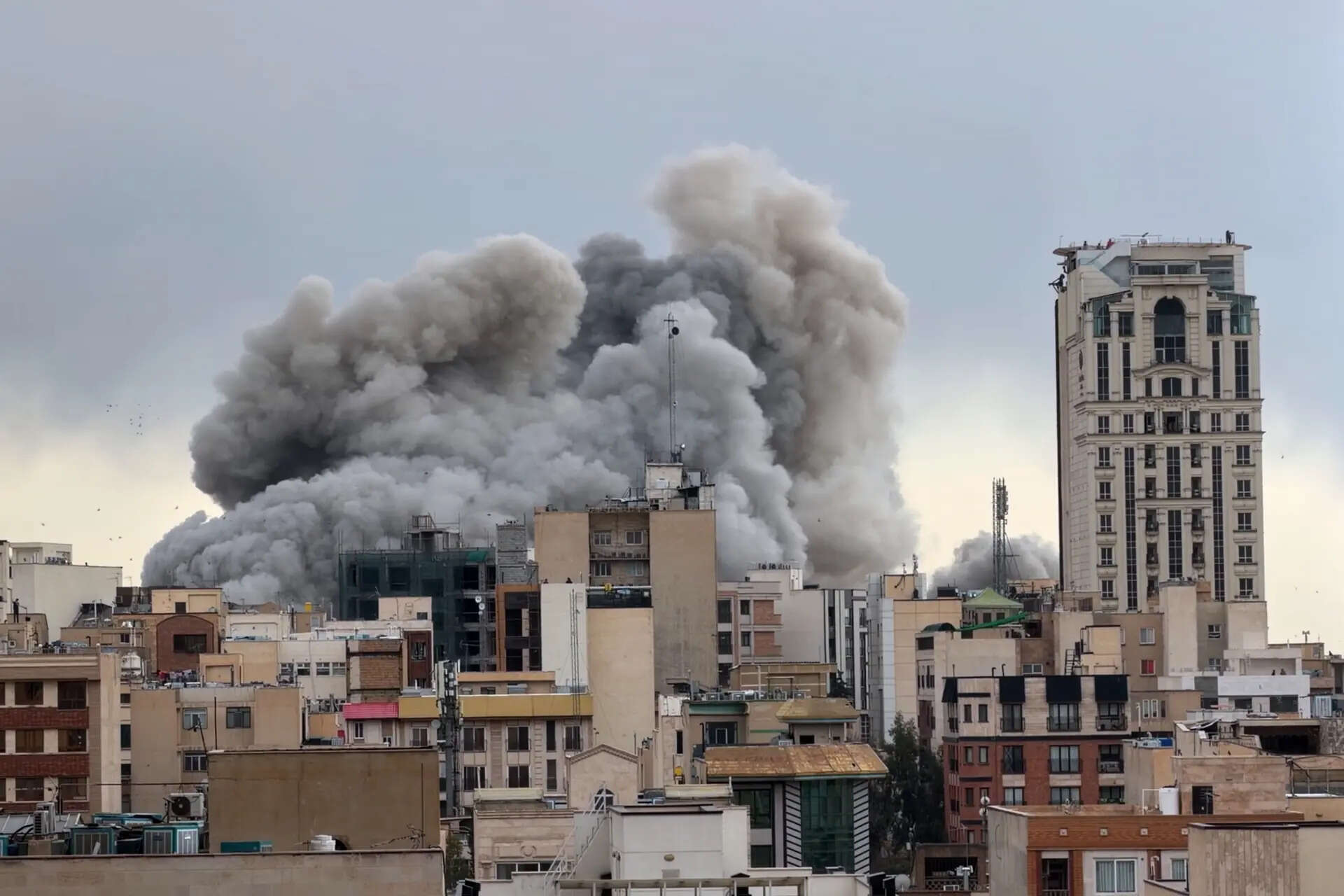
Tensions in the Middle East have reached a dangerous new level following two major attacks. In Iraq, the United Arab Emirates (UAE) embassy was targeted, causing alarm in the diplomatic community. At the same time, the group Hezbollah launched several drones from Lebanon into northern Israel. These events show that the conflict involving Israel, Iran, and various regional groups is spreading to new areas. World leaders are now worried that these small clashes could turn into a much larger war that affects many countries.
Main Impact
The most significant impact of these events is the threat to regional stability. By attacking an embassy, the groups involved are moving beyond military targets and hitting diplomatic sites. This makes it much harder for countries to talk to each other and find peaceful solutions. In Israel, the drone strikes have forced many families to move into bomb shelters, disrupting daily life and schools. The violence is also putting pressure on the United States to decide how much it should get involved to protect its allies and interests in the region.
Key Details
What Happened
The situation began early in the morning when explosions were reported near the "Green Zone" in Baghdad, Iraq. This is a heavily guarded area where many foreign embassies and government buildings are located. Reports indicate that rockets or small drones were used to hit the area near the UAE embassy. While the building was not destroyed, the attack sent a clear message of hostility toward the UAE for its political choices in the region.
Shortly after the events in Iraq, air raid sirens sounded across northern Israel. Hezbollah, a powerful group based in Lebanon that is supported by Iran, sent a wave of drones across the border. These drones were designed to fly low to avoid being caught by radar. While many were stopped, the attack showed that Hezbollah has the tools to challenge Israel’s high-tech defense systems.
Important Numbers and Facts
According to military reports, at least six drones were launched from Lebanon toward Israeli territory. The Israeli defense system, known as the Iron Dome, managed to shoot down four of these drones. The remaining two landed in open fields, causing small fires but no major injuries. In Iraq, local security forces found three rocket launchers used in the attack on the embassy. So far, no group has officially claimed responsibility for the Baghdad strike, but experts believe local militias are behind it.
Background and Context
To understand why this is happening, it is important to look at the relationships between these countries. Israel and Iran have been enemies for a long time. Iran supports groups like Hezbollah in Lebanon and various militias in Iraq. These groups often attack Israel or its friends to show their power. The UAE is involved because it signed a peace deal with Israel a few years ago. This deal made some groups in the region angry, which is why the UAE embassy in Iraq was likely targeted. The United States stays involved because it wants to keep the region stable and protect the flow of oil, which is important for the global economy.
Public or Industry Reaction
The international community has reacted with concern. The Iraqi government condemned the attack on the UAE embassy, calling it a "criminal act" that hurts Iraq's reputation. They promised to find the people responsible and bring them to justice. In Israel, government officials said they would not let these drone attacks go unpunished. They warned that if Hezbollah continues to send drones, Israel might have to launch a bigger military operation in Lebanon. Meanwhile, the United Nations has asked all sides to show restraint and stop the cycle of revenge.
What This Means Going Forward
The next few days will be very important. If the attacks continue, we might see a rise in oil prices, which could make gas and electricity more expensive for everyone. There is also a risk that the US military might take direct action if its own bases in Iraq are threatened. Diplomats are working behind the scenes to try and calm the situation. However, as long as the core issues between Israel and Iran remain unsolved, these types of attacks are likely to happen again. The safety of people living near the borders remains the biggest concern for humanitarian groups.
Final Take
The attacks in Iraq and Israel show that the Middle East remains a very volatile place. When embassies are targeted and drones cross borders, the risk of a major war grows. For now, the world is watching closely to see if leaders choose to talk or if they choose to fight. The path they take will decide the future of the region for years to come.
Frequently Asked Questions
Why was the UAE embassy in Iraq attacked?
The UAE has built closer ties with Israel in recent years. Some groups in Iraq that are supported by Iran do not like this relationship and use attacks to show their anger.
What is the Iron Dome?
The Iron Dome is a special military system used by Israel to track and shoot down incoming rockets and drones before they can hit people or buildings.
Is the United States involved in this conflict?
The US provides military support to Israel and has troops stationed in Iraq. While the US is not currently in a full war, it often responds if its allies or its own soldiers are attacked.

