
Summary
The global push for artificial intelligence is facing a massive and unexpected threat. A new report from Moody’s Ratings highlights a $650 billion problem caused by a shortage of helium. This rare gas is essential for making the computer chips that power AI systems. Because of the ongoing conflict in the Middle East, the supply of helium has been severely disrupted, putting the entire AI economy at risk.
Main Impact
The primary impact of this shortage is felt in the semiconductor industry. Semiconductors, or chips, are the brains of AI technology. Making these chips requires high-purity helium for cooling and testing. Currently, there are no easy ways to replace helium with another substance. If the supply remains blocked, the massive investments made by tech giants could fail to produce the hardware needed to keep the AI boom moving forward.
Key Details
What Happened
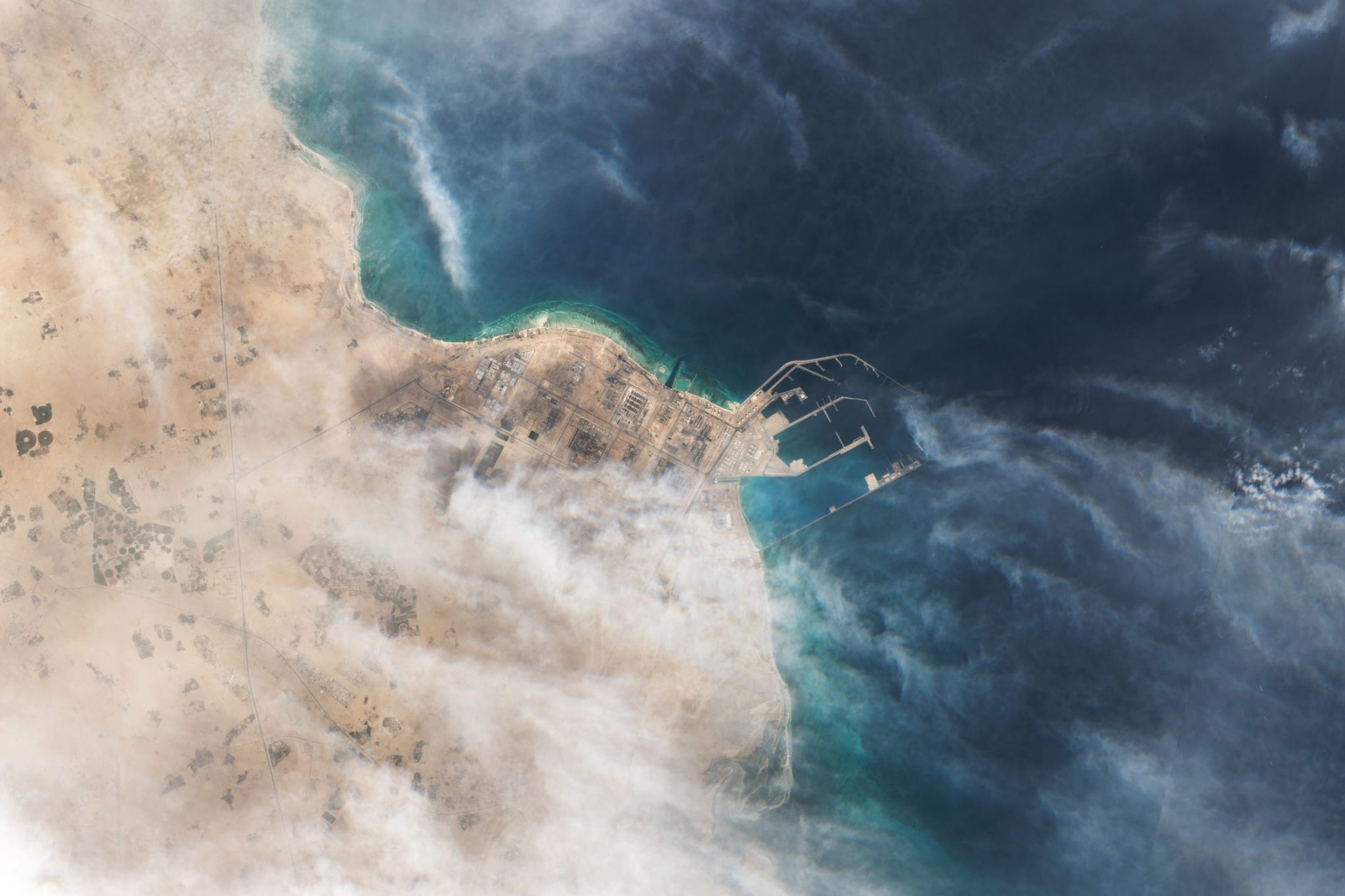
The crisis began when conflict in the Middle East reached critical industrial areas. On March 2, the Ras Laffan industrial complex in Qatar stopped its operations following attacks. This site is one of the most important hubs in the world for chemicals and gases. Because Qatar provides about 30% of the world’s high-purity helium, this shutdown caused immediate panic in the market. A major supplier, Air Liquide, had to tell its customers that it could no longer meet its contracts due to these extreme circumstances.
Important Numbers and Facts
The scale of this problem is tied to the huge amount of money being spent on AI. This year, companies like Amazon, Microsoft, Google, and Meta are expected to spend $650 billion on AI infrastructure in the United States. This spending assumes that the supply chain for chips will stay healthy. However, helium is a very limited resource. It is not something humans can manufacture in a factory. It takes millions of years to form deep underground as a byproduct of natural gas. Once it is gone or the supply is cut off, it cannot be quickly replaced.
Background and Context
Helium is often thought of as a gas for party balloons, but its role in high-tech manufacturing is much more serious. In chip factories, helium is used to cool down the silicon wafers during the etching process. It is also used to find tiny leaks in sensitive equipment. Because helium atoms are so small, they can slip through the smallest cracks, making them perfect for testing.
The world usually uses about 170 million cubic meters of helium a year. Before the war, there was actually a small surplus of the gas. However, the sudden loss of Qatari production has changed everything. The situation is made worse by geography. Much of the world's helium must travel through the Strait of Hormuz, a narrow waterway that is only 21 miles wide. If this path is blocked by war, the gas cannot reach the global market.
Public or Industry Reaction
Experts and investors are sounding the alarm. David Pan from Moody’s Ratings pointed out that the AI economy depends on specific hardware, and that hardware depends on materials from volatile parts of the world. Famous investor Jeremy Grantham has also warned that the AI boom relies on scarce natural resources. He believes that we may have to get used to slower growth because we are running out of the materials needed to build massive data centers.
In the chip industry, companies like Samsung and SK Hynix are trying to stay ahead. They currently have enough helium to last until June, but they are being forced to pay much higher prices to get the gas from sources in the United States. While they have some safety stock, the high costs will eventually impact their profits and the price of AI technology.
What This Means Going Forward
The future depends on how long the conflict lasts and whether other countries can step in. Russia has a large helium plant called Amur, but it is currently under sanctions. If those sanctions were lifted, it could help solve the shortage, but that is a complicated political decision. Even if the war ends today, experts say it will take a long time for production in Qatar to return to normal levels.
Another challenge is that liquid helium is hard to store for long periods. It can only stay in special containers for about 45 days before it starts to break down. This means companies cannot simply buy a ten-year supply and keep it in a warehouse. The industry must find ways to recycle helium, though some parts of the chip-making process make recycling almost impossible.
Final Take
The AI revolution is often discussed as a world of software and digital ideas, but it is built on a foundation of physical materials. The current helium crisis shows how fragile that foundation really is. As long as the world’s most advanced technology depends on rare gases from unstable regions, the $650 billion AI economy will remain at the mercy of global politics and the limits of nature.
Frequently Asked Questions
Why can't we just make more helium?
Helium is a natural element that is created over millions of years by the decay of radioactive materials underground. It is usually found trapped with natural gas. We cannot manufacture it in a lab or a factory at the scale needed for industry.
Can the AI industry use something else instead of helium?
For many parts of chip making, there is no effective substitute. Helium has unique cooling properties and a very small atomic size that other gases do not have. While some recycling is possible, many manufacturing steps require fresh, high-purity helium.
How does the war in the Middle East affect the price of AI?
The war has shut down major production sites and blocked shipping lanes. This makes helium more expensive and harder to find. When the cost of making chips goes up, the cost of building and running AI systems also increases, which could slow down the entire industry.



