
Summary
The 2026 Tamil Nadu Assembly elections faced a significant challenge in the Harur constituency as local residents launched a total poll boycott. Beyond refusing to cast their votes, protesters physically blocked the movement of Electronic Voting Machines (EVMs) to polling stations. This action was a desperate attempt by the community to draw attention to long-standing local issues that they feel have been ignored by successive governments. The standoff led to a tense situation between the public and election officials, delaying the democratic process in several villages.
Main Impact
The primary impact of this protest was the complete halt of the voting process in specific pockets of the Harur constituency. By blocking the EVMs, the residents ensured that no votes could be cast, even by those who might have wanted to participate. This move forced the state administration and the Election Commission to stop their routine work and address the protesters directly. The event has raised serious questions about how rural grievances are handled and whether the current political system is meeting the basic needs of the people in these areas.
Key Details
What Happened
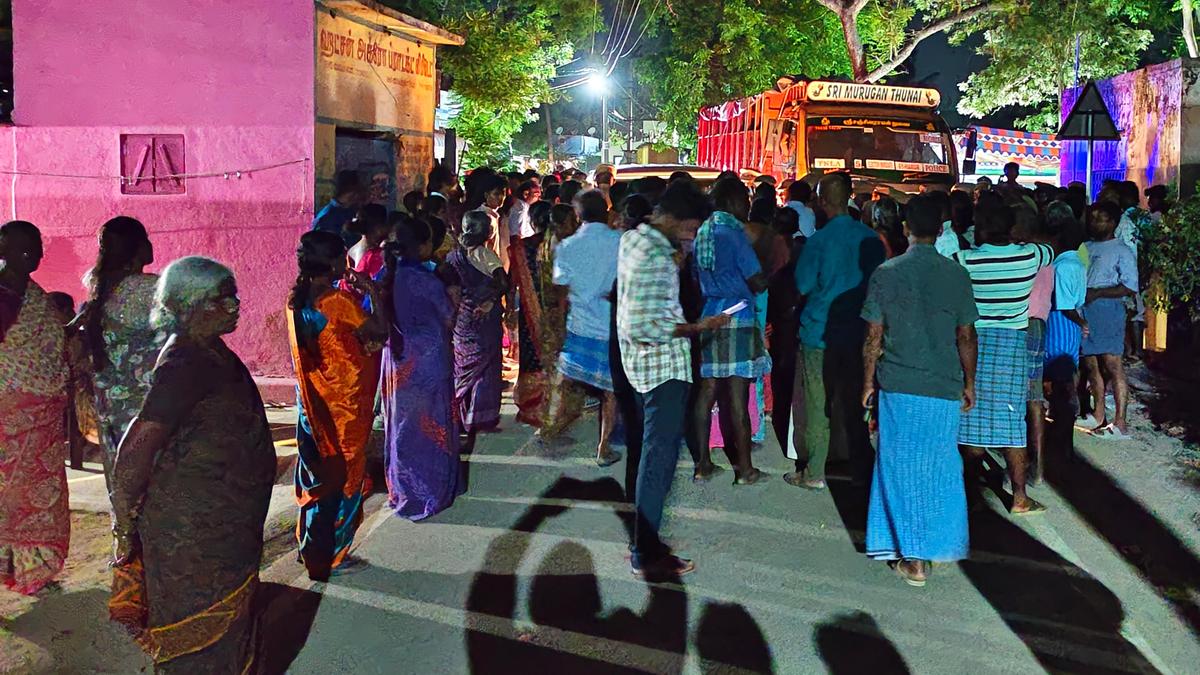
Early on the morning of the election, hundreds of villagers gathered on the main roads leading to the designated polling booths. They formed human chains and placed obstacles to prevent government vehicles from passing. When the polling officers arrived with the EVMs and other voting materials, they were met with slogans and a firm refusal to let them through. The protesters stated that they had sent many petitions to the district collector over the years but received no help. They decided that if the government would not listen to their voices, they would not give the government their votes.
Important Numbers and Facts
The boycott affected at least five major villages within the Harur constituency. Reports suggest that over 3,000 registered voters participated in the strike. The blockade lasted for more than six hours before senior officials arrived to start negotiations. While the rest of the state saw a steady turnout, these specific booths recorded zero percent voting during the first half of the day. Police deployed extra personnel to the area to prevent any violence, though the protesters remained mostly peaceful while standing their ground.
Background and Context
Harur is a region that often struggles with basic infrastructure and environmental concerns. In this specific case, the residents were protesting the lack of clean drinking water and the poor condition of the roads connecting their farms to the main markets. Many families in this area rely on agriculture, and the lack of proper irrigation and transport makes their lives very difficult. For years, candidates from various parties have promised to fix these problems during their campaigns, but the villagers claim that once the elections are over, the promises are forgotten. This boycott was seen as a final way to make the authorities take notice.
Public or Industry Reaction
The reaction from political parties was a mix of concern and blame. Candidates from the major parties urged the villagers to exercise their right to vote, arguing that a boycott only hurts the community by leaving them without a representative. On social media, the public reaction was divided. Some people supported the villagers, saying that a boycott is a valid form of protest when the government fails. Others felt that blocking the EVMs was going too far and interfered with the rights of others. Election officials expressed frustration, noting that such disruptions make the massive task of organizing a state-wide election even harder.
What This Means Going Forward
This event could lead to a re-polling in the affected areas if the Election Commission decides that the environment was not safe for a fair vote. It also puts a lot of pressure on the district administration to provide concrete timelines for the requested infrastructure projects. If the government does not follow through with its new promises, the trust between the people and the state will break down further. For future elections, this incident might encourage other neglected regions to use similar tactics to get their demands met, which could change how election security is handled in the state.
Final Take
The situation in Harur is a clear sign that many citizens feel disconnected from the political process. While voting is the foundation of a democracy, the people of these villages showed that they value basic living standards over the simple act of casting a ballot. The blockade was not just about stopping an election; it was a loud demand for respect and action. Moving forward, the winning leaders must realize that winning an election is only the start, and keeping the trust of the people requires fulfilling the promises made on the campaign trail.
Frequently Asked Questions
Why did the people in Harur boycott the election?
The residents boycotted the vote to protest the lack of basic facilities like clean water and proper roads, which they claim have been neglected for many years despite repeated requests.
Is it legal to block EVMs during an election?
No, physically blocking election officials or equipment is considered an interference with government duty and can lead to legal action or arrests under election laws.
Will there be a new date for voting in these villages?
The Election Commission will review the reports from the local observers. If they find that the voting process was completely blocked, they may schedule a re-poll for a later date once the situation is calm.



