
Summary
Haiti is facing a severe hunger crisis as a war in Iran drives global fuel prices to record highs. The rising cost of oil has made it nearly impossible for many families in the Caribbean nation to afford basic food and transportation. With fuel prices jumping by more than 30%, an additional 200,000 people have fallen into a state of acute food emergency. This situation is made worse by local gang violence, which blocks supply routes and keeps help from reaching those who need it most.
Main Impact
The most immediate impact of the rising oil prices is the sudden increase in the cost of living for Haiti’s poorest citizens. Because the country relies heavily on imported goods, when the price of gas goes up, the price of everything else follows. For many workers, public transportation is now a luxury they can no longer afford. This forces people to walk for hours to reach their jobs, leaving them with less time and energy to care for their families. At the same time, the cost of simple meals has doubled, forcing millions of people to skip eating just to survive.
Key Details
What Happened
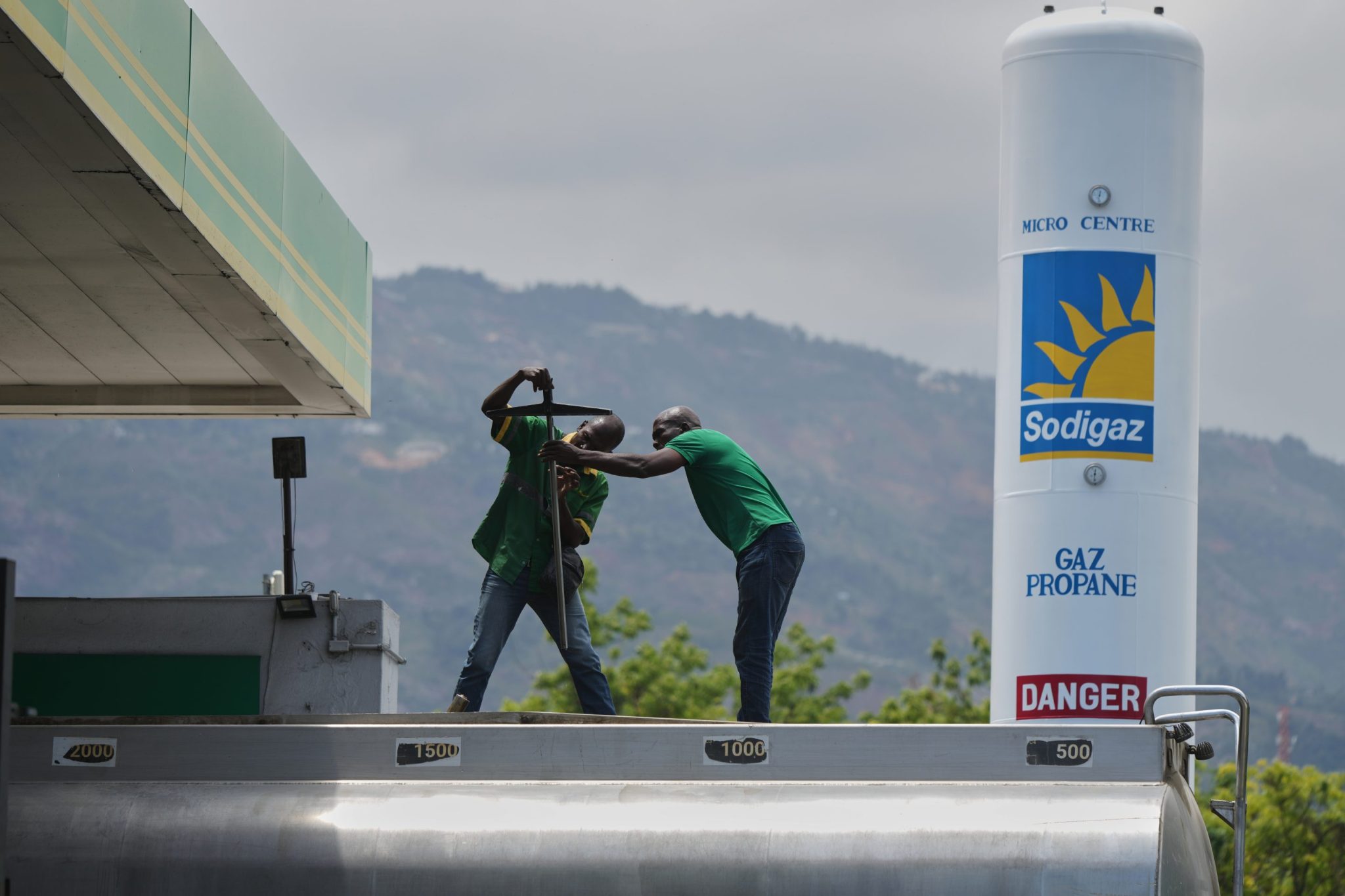
In early April, the Haitian government announced a major hike in fuel prices. This decision was a direct result of the conflict in Iran, which has disrupted the global oil market. In a country where most people already live in poverty, these price hikes act as a breaking point. To make matters worse, armed gangs control nearly 90% of the capital city, Port-au-Prince. These groups often block the roads used by fuel trucks, causing gas stations to run dry or sell fuel at even higher prices than the government allows.
Important Numbers and Facts
The government recently increased the price of diesel by 37% and gasoline by 29%. These changes are devastating for a population where nearly 40% of people live on less than $2.15 a day. Currently, about 6 million people—half of the country’s population—do not have enough food to eat. The economy has also been shrinking for seven years in a row, and inflation has reached a staggering 32%. Humanitarian groups report that 200,000 people have recently moved into the highest level of food insecurity, meaning they are on the edge of starvation.
Background and Context
Haiti has long been the most impoverished nation in the Western Hemisphere. It has struggled with political instability, natural disasters, and a lack of basic services for decades. However, the current crisis is unique because it is being driven by events happening thousands of miles away. The war in Iran has created a ripple effect that travels across the ocean, hitting fragile economies like Haiti’s the hardest. When global oil prices rise, wealthy countries can often absorb the cost, but in Haiti, it leads to a total collapse of daily life. The country’s infrastructure is so weak that even a small change in global markets can cause a massive humanitarian disaster.
Public or Industry Reaction
The reaction on the streets of Haiti has been one of anger and desperation. On April 6, protesters in the capital blocked roads with burning tires and debris to show their frustration with the government. Some bus drivers were forced to stop their vehicles as crowds gathered to protest the high cost of fuel. Meanwhile, street vendors who sell vegetables and charcoal say they are losing customers because no one has money left to buy goods. Charity organizations, such as Mary’s Meals and the World Food Program, are also struggling. They are being forced to use expensive boat routes to deliver food to schools because the main roads are too dangerous due to gang activity.
What This Means Going Forward
The future looks grim unless there is a significant change in both global oil prices and local security. Experts warn that as hunger grows, gangs will find it even easier to recruit young children who are desperate for a meal. There is also a high risk that access to clean water will decrease, as the pumps used to provide water often run on fuel. If the war in Iran continues to keep oil prices high, the number of people facing starvation in Haiti will likely continue to climb. Humanitarian groups are calling for more international support, but they warn that their resources are being stretched to the limit.
Final Take
The crisis in Haiti is a painful reminder of how connected the world has become. A conflict in the Middle East can directly lead to a father in Port-au-Prince being unable to feed his children. While the world focuses on the war itself, the secondary victims in places like Haiti are often forgotten. Without immediate intervention to stabilize fuel prices and clear gang-controlled supply lines, the country faces a humanitarian tragedy that could last for years.
Frequently Asked Questions
Why is a war in Iran affecting food prices in Haiti?
The war in Iran has caused global oil prices to rise. Since Haiti imports its fuel and most of its food, the high cost of shipping and transportation makes everyday items much more expensive for local families.
How are gangs making the hunger crisis worse?
Gangs control most of the capital and the major roads. They block trucks from delivering food and fuel, which creates shortages and allows them to sell these items at even higher prices on the black market.
What is the government doing to help?
The government has struggled to provide aid and recently had to raise fuel prices to keep up with global costs. However, many citizens feel the government is not doing enough to protect them from gangs or to lower the cost of living.



