
Summary
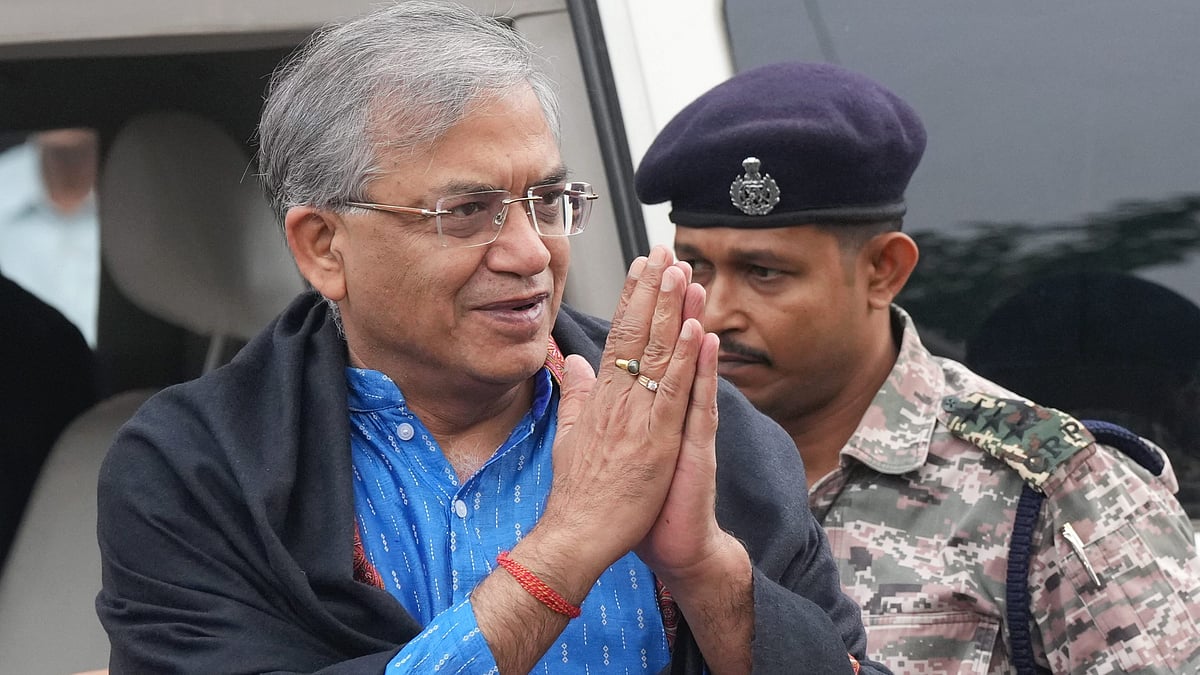
India’s Chief Election Commissioner, Gyanesh Kumar, faced strong protests during his visit to Kolkata on Monday. As he arrived at the famous Kalighat temple, groups of people waved black flags and shouted "go back" slogans to show their anger. These protests happened because some political parties are unhappy with how the Election Commission is handling voter list updates before the upcoming state elections. Despite the tension, the police managed to control the crowd, allowing the official visit to continue as planned.
Main Impact
The protests against the Chief Election Commissioner show that the political mood in West Bengal is very tense. The main issue is a process called the Special Intensive Revision, which is used to check and update the names of voters. Local political groups worry that this process might not be fair. This public display of anger suggests that the upcoming assembly elections will be very difficult to manage. It also puts pressure on the Election Commission to prove that it is acting neutrally and following all the rules correctly.
Key Details
What Happened
The trouble began as soon as Gyanesh Kumar landed in Kolkata on Sunday night. When his cars left the airport, workers from the All India Trinamool Congress were waiting to protest. They held up black flags and shouted at the convoy. The protests continued on Monday morning when Kumar went to the Kalighat temple, which is a very important religious site in the city. Small groups of protesters gathered there to voice their disagreement with his visit. Later, more activists from Left-wing parties joined the demonstrations along the busy VIP Road. Police officers had to form a strong line to keep the protesters away from the officials.
Important Numbers and Facts
This is a three-day visit to West Bengal by the top leaders of the Election Commission of India. Gyanesh Kumar is not alone; he is joined by two other election commissioners, Sukhbir Singh Sandhu and Vivek Joshi. Together, they make up the "full bench" of the commission. Their goal is to meet with leaders from all major political parties and check if the state is ready for the elections. They are scheduled to talk with police chiefs, administrative heads, and booth-level officers to ensure everything is in place for a smooth voting process.
Background and Context
West Bengal is known for having very intense and often heated elections. The Election Commission is currently carrying out a "Special Intensive Revision" of the voter lists. This is a standard procedure where officials check if people have moved, passed away, or if new voters need to be added. However, in a state like West Bengal, this process is often viewed with suspicion. Political parties often claim that their supporters are being removed from the lists or that fake names are being added. Because the assembly elections are coming up soon, every action taken by the commission is being watched very closely by the public and the media.
Public or Industry Reaction
The reaction from local political leaders has been very sharp. Members of the Trinamool Congress have been the most vocal, accusing the commission of not being transparent. One leader, Saket Gokhale, even suggested that the Chief Election Commissioner should face legal action over the way the voter list revision is being handled. On the other side, the police have stated that they are doing their best to maintain order. They have increased security around the officials to prevent any violence. While the protesters are loud, the Election Commission has stated that it will not let these demonstrations stop its work.
What This Means Going Forward
The next two days will be very busy for the election officials. On Tuesday, they will have a final meeting with the state’s Chief Electoral Officer and the leaders of the Central Armed Police Forces. These forces are often sent to the state to make sure people can vote without being scared. After these meetings, the commission will hold a press conference to explain what they have found and how they plan to keep the elections fair. The biggest challenge for Gyanesh Kumar will be to convince the people of West Bengal that the election process will be honest and that every valid vote will count.
Final Take
The protests in Kolkata are a clear sign that the road to the West Bengal assembly elections will not be easy. The Election Commission must work hard to build trust with all political parties. While the "go back" slogans and black flags show a lack of confidence from some groups, the commission’s focus remains on following the law and preparing the state for a massive democratic event. The success of the upcoming polls depends on whether the commission can remain calm and professional under such heavy public pressure.
Frequently Asked Questions
Why were people protesting against Gyanesh Kumar?
People were protesting because they are unhappy with the Special Intensive Revision (SIR) exercise. They believe the Election Commission is not updating the voter lists in a fair or clear way before the state elections.
What is the purpose of the Chief Election Commissioner’s visit?
The visit is meant to review how ready West Bengal is for the upcoming assembly elections. The officials are meeting with political parties, police, and government staff to plan for a safe and fair voting process.
Who participated in the protests in Kolkata?
The protests were mainly led by workers from the All India Trinamool Congress and activists from various Left-wing political parties. They gathered at the airport, along major roads, and outside the Kalighat temple.

