
Summary
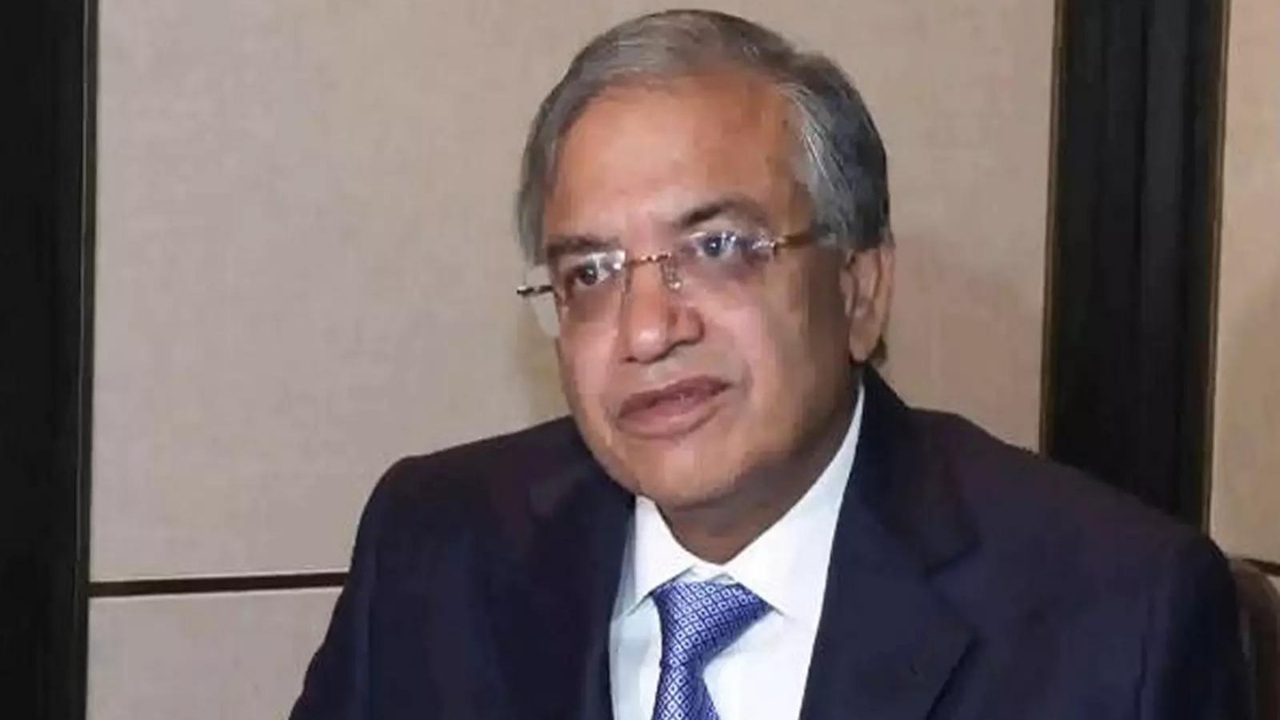
Opposition parties in India have launched a new attempt to remove the Chief Election Commissioner (CEC), Gyanesh Kumar, from his position. A group of 73 Members of Parliament (MPs) from the Rajya Sabha signed and submitted a formal notice for his impeachment. The opposition claims that the CEC has shown bias toward the ruling Bharatiya Janata Party (BJP), particularly in how voter lists were handled. This move highlights the growing tension between the government and opposition groups as major state elections approach.
Main Impact
The primary impact of this notice is a direct challenge to the neutrality of the Election Commission of India. By seeking the removal of the top official responsible for organizing elections, the opposition is signaling a total loss of faith in the current leadership of the commission. This action could lead to heated debates in Parliament and may cause the public to question the fairness of upcoming votes. It also puts the Rajya Sabha leadership in a difficult position, as they must decide whether the evidence provided is strong enough to move forward with the removal process.
Key Details
What Happened
On April 24, 2026, leaders from various opposition parties came together to submit a fresh impeachment notice against CEC Gyanesh Kumar. This is not the first time such a request has been made, but this new attempt has gained more support from different political groups. The MPs delivered the document to the office of the Rajya Sabha Chairman. The main complaint centers on the idea that the Election Commission is not acting as an independent body. The opposition argues that recent decisions made by the CEC have consistently helped the ruling party while making it harder for other parties to compete fairly.
Important Numbers and Facts
The notice carries the signatures of 73 MPs, all of whom represent the opposition in the Rajya Sabha. Under Indian law, removing a Chief Election Commissioner is a very serious and difficult process. It is similar to the process used to remove a judge of the Supreme Court. To succeed, the motion must be passed by a two-thirds majority in both the Lok Sabha and the Rajya Sabha. The accusations specifically mention "partial conduct" and issues with "electoral roll revisions," which refers to the process of updating the lists of people who are allowed to vote.
Background and Context
The Election Commission of India is meant to be a neutral organization that ensures every election is free and fair. However, over the last few years, the opposition has frequently accused the commission of being under the influence of the central government. These tensions have reached a high point because of the upcoming assembly elections in West Bengal. West Bengal is a state where political competition is extremely fierce. The opposition believes that changes made to the voter lists in that state were designed to remove their supporters and add more voters for the ruling party. Because the CEC is the person who makes the final decisions on these matters, he has become the main target of the opposition's anger.
Public or Industry Reaction
The ruling BJP has reacted to this move by calling it a political stunt. Government spokespeople argue that the opposition is simply trying to create an excuse for why they might lose future elections. They maintain that the Election Commission remains an independent and honest body. On the other hand, some legal experts and civil society groups have expressed concern. They worry that if the public starts to believe the Election Commission is biased, it could damage the foundation of democracy in India. Some political analysts suggest that even if the impeachment does not succeed, the move serves as a powerful protest that brings international attention to the state of Indian elections.
What This Means Going Forward
The next step depends entirely on the Chairman of the Rajya Sabha. The Chairman must review the notice and decide if there are valid grounds to start an investigation. If the notice is accepted, a special committee will be formed to look into the charges of bias and misconduct. This committee would include a senior judge and an eminent legal expert. If the committee finds the CEC guilty of the charges, the matter will then go to a vote in Parliament. However, if the Chairman rejects the notice, the opposition may try to take the matter to the courts. In the short term, this conflict will likely make the political environment in West Bengal even more tense as the election date gets closer.
Final Take
The attempt to impeach the Chief Election Commissioner is a rare and serious event in Indian politics. It shows that the divide between the government and the opposition has reached a point where even the basic rules of the election process are being questioned. While the legal path to removing a CEC is long and difficult, the political message is clear: the opposition will no longer accept the status quo. For the health of the country, it is vital that the Election Commission proves its independence through transparent actions that every citizen can trust.
Frequently Asked Questions
What is an impeachment notice?
An impeachment notice is a formal document signed by members of Parliament to start the process of removing a high-ranking official, like a judge or the Chief Election Commissioner, from their job due to misconduct.
Why are 73 MPs significant?
In the Rajya Sabha, at least 50 MPs must sign a notice for it to be considered. With 73 signatures, the opposition has met the basic requirement to submit the request to the Chairman.
Can the CEC be removed easily?
No, it is very hard to remove a CEC. It requires a long investigation and a very high number of votes in both houses of Parliament, making it one of the most difficult legal processes in the Indian government.



