
Summary
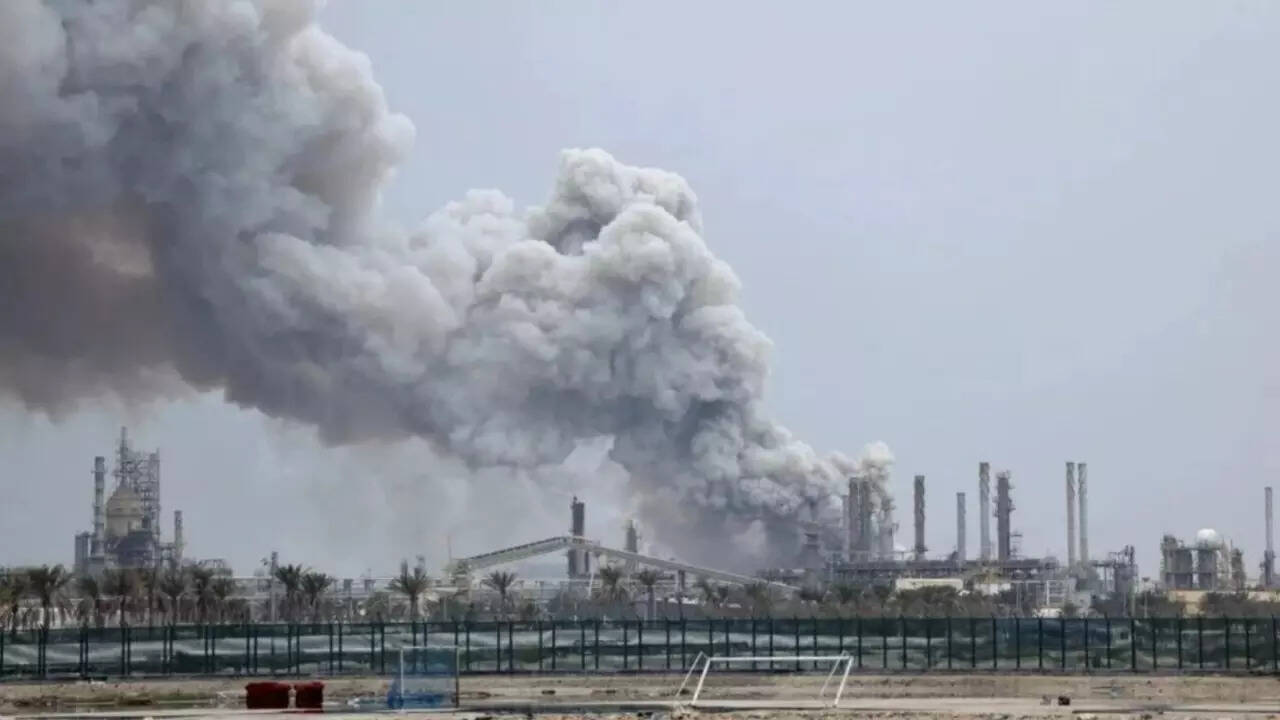
Major energy-producing nations in the Gulf, including Qatar, Bahrain, and Kuwait, have started using a legal rule called "force majeure" to pause their oil and gas exports. This decision comes as the conflict between Iran and the US-Israel alliance intensifies, making shipping routes dangerous. By invoking this clause, these countries are signaling that they cannot fulfill their supply contracts due to circumstances beyond their control. This move has caused immediate concern in global markets, leading to higher energy prices and fears of a long-term supply shortage.
Main Impact
The primary impact of these declarations is the sudden halt of energy shipments through the Strait of Hormuz. This narrow waterway is the most important oil transit point in the world. When countries like Qatar and Kuwait declare force majeure, it means they are legally protected from being sued for not delivering oil or gas on time. For the rest of the world, this means a significant portion of the daily energy supply is now missing from the market. This shortage is driving up the cost of fuel and electricity in many countries that rely on Middle Eastern exports.
Key Details
What Happened
As fighting increases between Iran and forces supported by the US and Israel, the safety of cargo ships has become a major issue. Recent attacks and threats in the Gulf region have made it nearly impossible for large tankers to move safely. Because of these risks, energy companies in the Gulf have officially informed their buyers that they cannot meet their delivery schedules. They are using the force majeure clause to stop operations until the shipping lanes are safe again.
Important Numbers and Facts
The Strait of Hormuz is a vital chokepoint where approximately 20% to 30% of the world's total oil consumption passes every day. Qatar is also one of the top exporters of Liquefied Natural Gas (LNG), which many European and Asian countries use for heating and industry. If these shipments remain blocked, global energy prices could rise by 10% to 20% in a very short period. Currently, several large tankers are reportedly waiting outside the conflict zone, unable to enter or leave the Gulf safely.
Background and Context
To understand this situation, it is important to know what "force majeure" means. In the business world, it is a legal term used in contracts. It allows a company to stop performing its duties without penalty if an extraordinary event happens, such as a natural disaster or a war. In this case, the war between Iran and the US-Israel alliance is the extraordinary event. The Gulf countries are not choosing to stop selling oil for profit; rather, they are claiming that the physical danger to their ships and crews makes it impossible to operate.
The tension in the region has been growing for months. The Strait of Hormuz is often used as a tool in political disputes because of its narrow size. If Iran or other forces block this path, they can effectively shut down a large part of the global economy. This is why the current conflict is causing so much alarm for international leaders and business owners.
Public or Industry Reaction
Energy analysts and market experts are watching the situation with great concern. Many shipping companies have already told their vessels to take longer routes around Africa to avoid the Middle East, but this adds weeks to travel times and increases costs. Stock markets have shown signs of stress, particularly in sectors like transportation and manufacturing that depend on cheap fuel. Governments in importing nations are now looking for alternative sources of energy, but replacing the massive volume of oil and gas from the Gulf is a difficult and slow process.
What This Means Going Forward
The next steps depend entirely on whether the military conflict cools down or gets worse. If the Strait of Hormuz remains dangerous for a long time, the world could face a serious energy crisis. We might see higher prices at gas stations and increased costs for consumer goods. On a legal level, the use of force majeure will likely lead to many court battles later on, as buyers and sellers argue over who should pay for the lost business. For now, the focus remains on finding a way to secure shipping lanes so that trade can resume.
Final Take
The decision by Gulf nations to invoke force majeure is a clear sign of how quickly local wars can disrupt the entire world. It highlights the vulnerability of global energy supplies that rely on a single, narrow shipping path. As long as the conflict between Iran and the US-Israel alliance continues, the global economy will remain at risk of high prices and supply shortages. This situation serves as a reminder that energy security is closely tied to political peace.
Frequently Asked Questions
What does force majeure mean in simple terms?
It is a legal rule that lets a company break a contract without being punished if something totally unexpected and uncontrollable happens, like a war or a massive storm.
Why is the Strait of Hormuz so important?
It is a very narrow water passage that connects the Gulf oil producers to the rest of the world. About one-fifth of the world's oil passes through this small area every day.
Will this make gas prices go up?
Yes, when major oil-producing countries stop shipping their products, the global supply drops. When there is less oil available but people still need it, the price usually goes up.

