
Summary
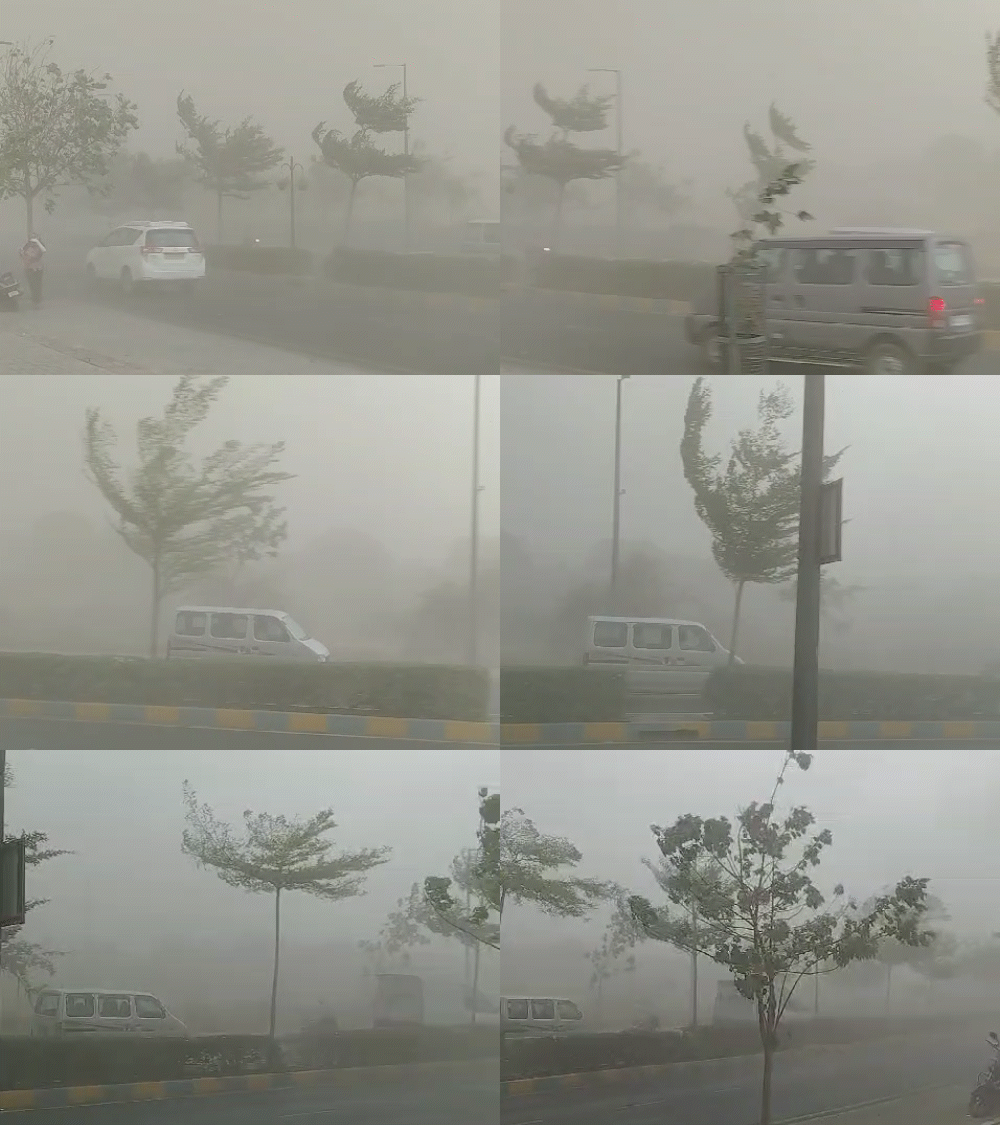
Gujarat is currently facing a sudden change in weather, with many parts of the state experiencing unseasonal rain and very strong winds. This "mini-cyclone" began early on March 19, 2026, affecting major cities like Ahmedabad, Visnagar, and districts in North Gujarat. The storm has caused trees to fall, power outages in several neighborhoods, and damage to property such as shop sheds and solar panels. While the rain has brought a temporary break from the summer heat, it has created significant challenges for commuters and residents.
Main Impact
The sudden storm has left a mark on the state's infrastructure and daily routines. In Ahmedabad, the wind was strong enough to uproot trees and break large branches, which blocked several roads. In the town of Visnagar, metal sheds on shops were torn down by the force of the wind, and large advertising boards were blown away. Perhaps the most surprising damage occurred in Banaskantha, where heavy solar panels were lifted and tossed by the wind. These incidents have caused safety concerns and led to property loss for many local business owners.
Key Details
What Happened
Starting early in the morning, winds reaching speeds of 30 to 40 kilometers per hour began blowing across the state. This created massive dust storms that covered the roads, making it very difficult for people driving cars and motorcycles to see clearly. In Ahmedabad, specifically in the Ujala and Vanzar areas, the power went out as the wind damaged electrical lines. Similar power cuts were reported in Himatnagar, where thick clouds of dust filled the air, forcing people to stay indoors.
Important Numbers and Facts
The weather department has predicted that this unusual weather will affect more than 25 districts across Gujarat. Because of the rain and wind, the maximum temperature in the state is expected to drop by 2 to 3 degrees Celsius until March 20. This will provide some relief from the heat, but the cost of the storm remains high. The authorities have issued a yellow alert for several regions, meaning that residents should stay alert and prepared for moderate rain and lightning.
Background and Context
It is not common to see this kind of stormy weather in Gujarat during the month of March. Usually, this time of year is the start of the hot summer season. However, weather experts explain that two main factors are causing this change. First, there is a "Western Disturbance," which is a weather system that brings moisture and wind from the Mediterranean region. Second, there is a cyclonic circulation in the upper atmosphere. Together, these systems have pushed clouds into Gujarat, leading to what locals are calling "Mavthu," or unseasonal rain.
Public or Industry Reaction
The reaction from the public has been a mix of surprise and worry. While many people enjoy the cooler air, the dust storms have made traveling to work very difficult. On social media, residents shared videos of sheds flying away and trees falling on parked vehicles. Farmers are particularly concerned because rain at this stage of the year can damage crops that are ready for harvest. In the cities, shopkeepers are busy repairing the damage caused to their storefronts and signs. The local electricity boards are working quickly to restore power in areas where lines were snapped by falling trees.
What This Means Going Forward
The weather department expects these conditions to continue for at least another 24 to 48 hours. Districts like Banaskantha, Sabarkantha, Kutch, and parts of Saurashtra are likely to see more rain and thunder. People are advised to avoid standing under tall trees or near old buildings that might collapse in high winds. Drivers should be extra careful on the highways if dust storms return, as visibility can drop to near zero very quickly. After March 20, the weather is expected to clear up, and temperatures will likely start rising again as summer returns to normal.
Final Take
This sudden storm serves as a reminder of how quickly the weather can change. While the rain offers a short break from the rising heat, the damage to property and the risk to safety are serious. It is important for everyone to follow the updates from the weather department and take basic safety steps until the storm passes. Staying indoors during the peak of the wind and keeping away from weak structures is the best way to stay safe during these unusual weather events.
Frequently Asked Questions
Why is it raining in Gujarat during March?
The rain is caused by a Western Disturbance and a cyclonic circulation system that has moved over the state, bringing moisture and strong winds.
Which areas are most affected by the storm?
Major impact has been seen in Ahmedabad, Visnagar, Banaskantha, and Himatnagar, but over 25 districts across the state are expected to see some rain.
How long will this unseasonal weather last?
The weather department has predicted that the rain and strong winds will continue until March 20, after which the weather should begin to stabilize.



