
Summary
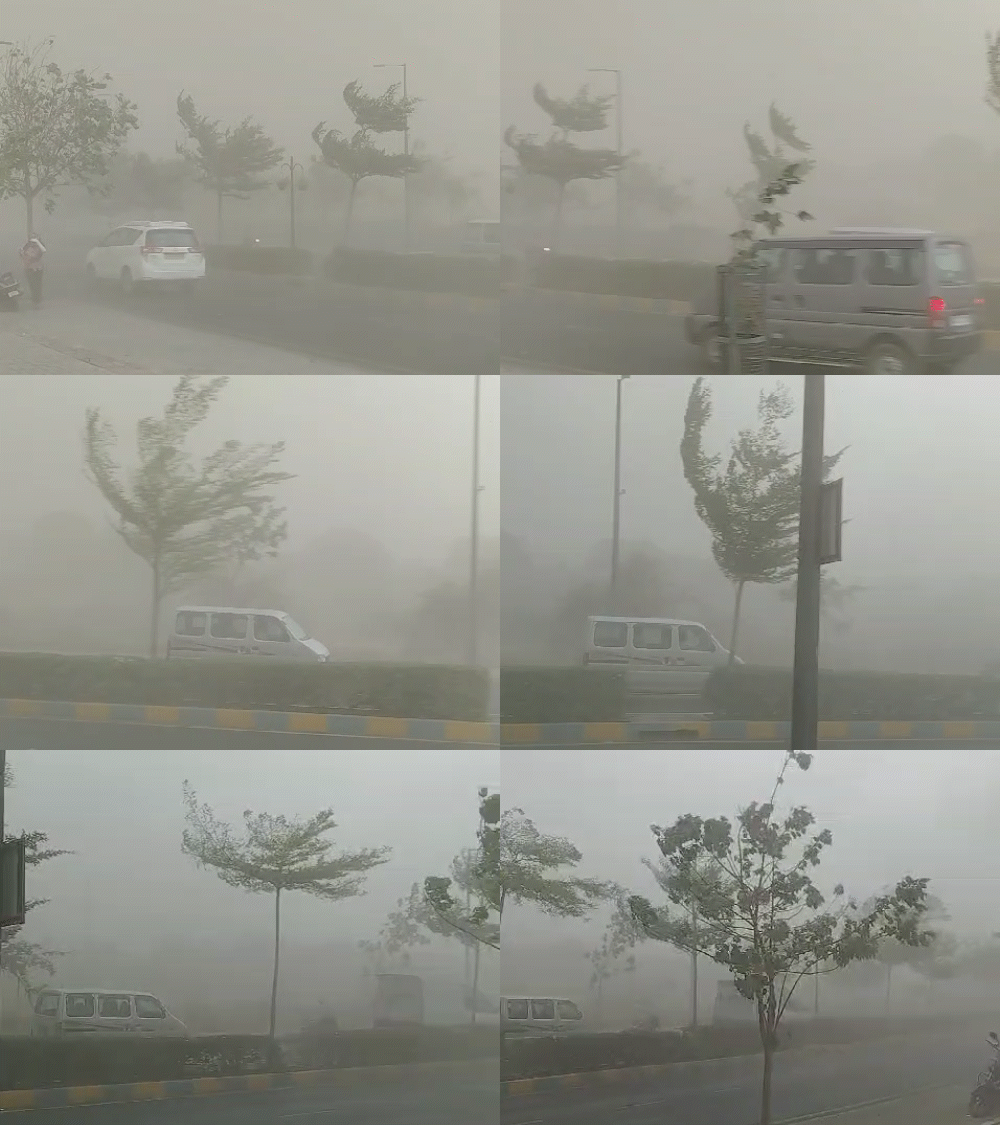
Gujarat is currently experiencing a sudden change in weather, with many parts of the state facing unseasonal rain and very strong winds. On the morning of March 19, 2026, several cities, including Ahmedabad, were hit by winds blowing at speeds of 30 to 40 kilometers per hour. This unexpected weather has caused trees to fall, power outages in various neighborhoods, and damage to property in several districts. The weather department has warned that these conditions may continue for the next 24 to 48 hours.
Main Impact
The sudden "mini-storm" has disrupted daily life across Gujarat. While the rain has brought a welcome drop in temperature, the high-speed winds have caused significant safety concerns. In large cities, the wind picked up a lot of dust, making it very hard for drivers to see the road clearly. This dust storm created a hazy environment, forcing many people to stop their vehicles or drive very slowly to avoid accidents. Beyond the roads, the wind was strong enough to break large tree branches and knock down temporary structures.
Key Details
What Happened
Starting early in the morning, the sky turned dark and strong winds began to blow across the state. In Ahmedabad, the wind caused trees to fall in several areas, blocking some local roads. In the town of Visnagar, the force of the wind was so high that metal sheds on shops were torn off and collapsed. Meanwhile, in Banaskantha, residents reported that solar panels installed on rooftops were blown away by the gusts. Power lines were also affected, leading to electricity cuts in areas like Ujala and Vanzar in Ahmedabad, as well as parts of Himmatnagar.
Important Numbers and Facts
The weather department provided specific data regarding this event. Wind speeds were recorded between 30 and 40 kilometers per hour. More than 25 districts across Gujarat are expected to feel the impact of this weather shift. Because of the rain and clouds, the maximum temperature in the state is expected to drop by 2 to 3 degrees Celsius by March 20. This will provide some temporary relief from the summer heat that had been building up over the past week.
Background and Context
This type of weather is called "unseasonal" because it is not the normal time of year for rain in India. Usually, March is the beginning of the hot summer season. However, a weather pattern known as a "Western Disturbance" has become active. This is a system of clouds and winds that comes from the Mediterranean region and moves toward India. When this system meets local air patterns, it creates "cyclonic circulation," which leads to sudden rain, thunder, and strong winds. These events are becoming more common and can sometimes hurt farmers who are ready to harvest their crops.
Public or Industry Reaction
The public reaction has been a mix of relief and worry. Many people are happy that the weather has become cooler, as the heat was becoming difficult to handle. However, shop owners and residents in rural areas are concerned about the damage caused by the wind. In Visnagar and Banaskantha, the loss of sheds and solar panels represents a financial hit for small business owners. Drivers on the highways have expressed frustration over the dust storms, which made traveling dangerous during the early morning hours. Local authorities have asked people to stay indoors during heavy winds to avoid being hit by falling objects or trees.
What This Means Going Forward
The weather department has issued a "Yellow Alert" for several districts, meaning people should stay alert and be prepared for more rain. For the rest of March 19 and throughout March 20, districts like Banaskantha, Sabarkantha, Patan, and Kutch are likely to see more light to moderate rain. The wind is expected to stay below 40 kilometers per hour, but it could still be strong enough to cause minor damage. After March 20, the weather is expected to clear up, and the temperatures will likely start to rise again as the summer season returns to its normal pattern.
Final Take
While the cool breeze and rain offer a break from the heat, the safety risks of strong winds should not be ignored. It is important for residents to secure loose items on their balconies or rooftops and avoid parking cars under old trees. As the weather system moves through the state, staying informed through official weather updates will help everyone stay safe during this unusual March storm.
Frequently Asked Questions
Why is it raining in Gujarat in March?
The rain is caused by a weather system called a Western Disturbance and a cyclonic circulation in the upper atmosphere. These systems bring moisture and wind that result in unseasonal rain.
Which areas are most affected by the wind and rain?
More than 25 districts are affected, including Ahmedabad, Banaskantha, Visnagar, Kutch, and parts of Saurashtra. Ahmedabad has seen fallen trees, while Visnagar reported collapsed shop sheds.
Will the temperature stay low for a long time?
The temperature is expected to drop by 2 to 3 degrees Celsius until March 20. After the weather system passes, the heat is expected to return to normal summer levels.



