
Summary
Gujarat has officially passed the Uniform Civil Code (UCC) Bill, 2026, marking a major change in the state's legal system. This new law makes Gujarat the second state in India, after Uttarakhand, to replace various religious personal laws with a single set of rules for everyone. The bill focuses on creating uniform standards for marriage, divorce, and how property is passed down to family members. Government leaders believe this move is a vital step toward ensuring that all citizens are treated equally under the law.
Main Impact
The passage of this bill is expected to change how family law works for millions of people in Gujarat. By moving away from different rules for different religious groups, the state aims to simplify the legal process. The biggest impact will likely be felt in the area of gender equality. For a long time, different personal laws had different rules for men and women regarding divorce and inheritance. The new UCC seeks to remove these differences, giving women from all communities the same legal protections and rights as men.
Key Details
What Happened
The Gujarat Legislative Assembly held a session where the Uniform Civil Code Bill, 2026, was introduced and passed. This decision follows months of discussion and planning by the state government. The bill was designed to bring all residents of the state under one legal umbrella for personal matters. This means that regardless of a person’s faith, the same laws will apply when they get married, seek a divorce, or manage family estates. This move aligns Gujarat with the path taken by Uttarakhand, which was the first state to implement such a code in modern India.
Important Numbers and Facts
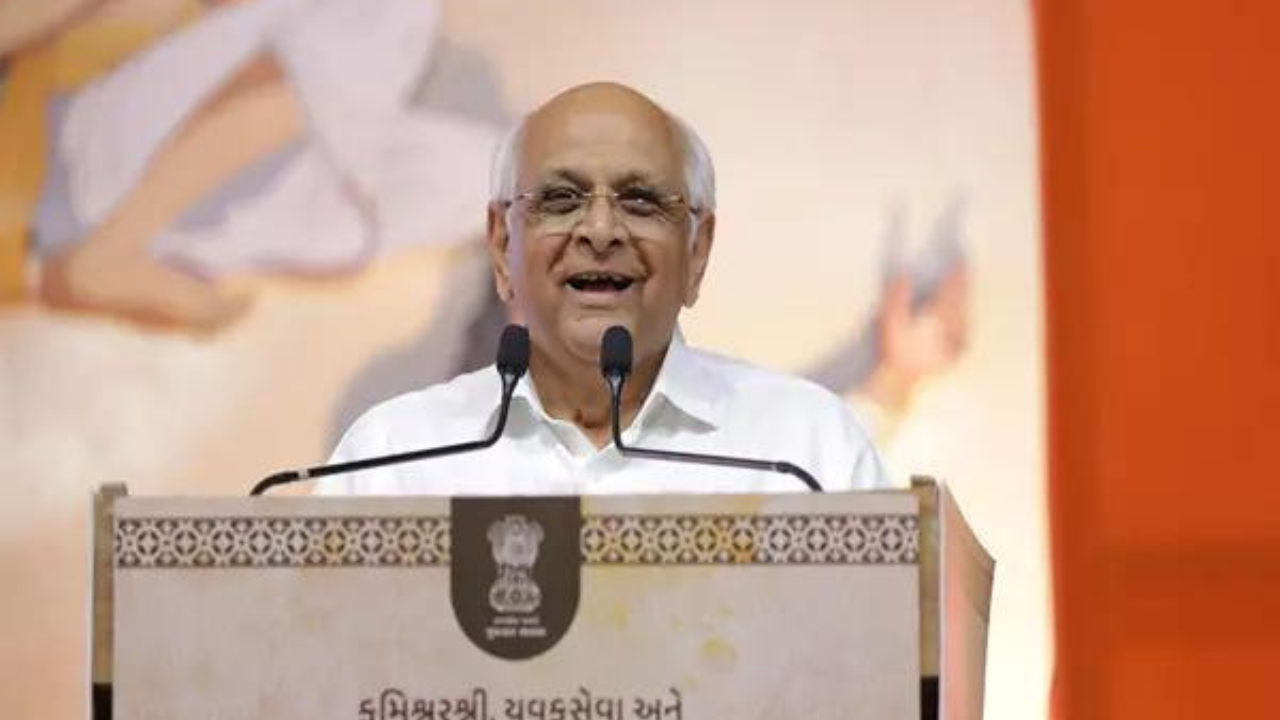
The bill was passed on March 25, 2026, during a significant legislative meeting. It covers four main areas: marriage, divorce, inheritance, and land succession. While the full text of the bill includes many specific rules, the core goal is to provide a "one nation, one law" approach within the state's borders. Union Home Minister Amit Shah described the event as a "historic step" for the country. Chief Minister Bhupendra Patel emphasized that the law is built to protect the dignity of women, ensuring they have a fair share in family property and equal standing in marital disputes.
Background and Context
To understand why this is important, it helps to look at how laws work in India. For decades, India has used "personal laws." These are sets of rules that depend on a person's religion. For example, Hindus, Muslims, Christians, and Sikhs often followed different rules for marriage and inheritance. The idea of a Uniform Civil Code is mentioned in the Indian Constitution under Article 44. It suggests that the state should try to secure a uniform code for all citizens across the country. However, because personal laws are a sensitive topic, it has taken many years for states to begin putting this idea into practice. Gujarat’s decision is part of a growing trend where individual states are choosing to implement these changes on their own.
Public or Industry Reaction
The reaction to the bill has been strong and varied. Supporters of the government and many women's rights groups have welcomed the move. they argue that religious laws sometimes treated women unfairly and that a common law is the only way to fix this. Union Home Minister Amit Shah praised the Gujarat government for its courage in passing the bill, stating it sets an example for the rest of the country. On the other hand, some community leaders and opposition members have expressed concerns. They worry that a single law might not respect the unique traditions and customs of different religious groups. Despite these debates, the state government maintains that the law is about legal fairness, not about interfering with religious worship.
What This Means Going Forward
Now that the bill has passed the state assembly, the next steps involve getting the final formal approvals before it becomes active law. Other states in India are likely to watch Gujarat closely to see how the law is put into action. There is a possibility that more states will introduce similar bills in the coming months. Legal experts also expect that the law might be challenged in the courts. Judges will have to decide how the new state law fits with the religious freedoms guaranteed by the national constitution. For the people of Gujarat, the focus will soon shift to learning the new rules and understanding how their legal rights have changed.
Final Take
The passage of the Uniform Civil Code in Gujarat is a landmark moment in Indian legal history. It moves the state away from a system of divided personal laws and toward a unified legal framework. While the debate over religious traditions versus common laws will likely continue, the focus remains on providing equal rights for every citizen. This change marks a significant shift in how the government handles family and personal matters, prioritizing national unity and gender fairness over old legal divisions.
Frequently Asked Questions
What is the Uniform Civil Code?
The Uniform Civil Code (UCC) is a single set of laws that governs personal matters like marriage, divorce, and inheritance for all citizens, regardless of their religion.
Which other states have passed the UCC?
Uttarakhand was the first state in India to pass and implement the Uniform Civil Code. Gujarat is now the second state to do so.
How does this law help women?
The law aims to give women equal rights in marriage and divorce. It also ensures that women have the same rights as men when it comes to inheriting family property and land.



