
Summary
On March 23, 2026, rumors about a petrol shortage began spreading across Gujarat. Even though there was plenty of fuel available, many people rushed to petrol pumps to fill their tanks. This led to very long lines and a sense of panic in many cities. Local news reports confirmed that there is no actual shortage, and the stock of petrol and diesel is sufficient for everyone.
Main Impact
The main impact of these rumors was immediate chaos at fuel stations. Thousands of drivers joined long queues, sometimes waiting for hours to get fuel. This sudden rush caused traffic jams on main roads and put a lot of pressure on petrol pump workers. Many people who actually needed fuel for urgent work had to wait behind others who were only there because they were afraid of a future shortage. This situation showed how quickly unverified news can lead to public worry and disrupt daily life.
Key Details
What Happened
The trouble started in the afternoon when messages began moving on social media apps. These messages claimed that petrol would not be available from the next day. Without checking if the news was true, people started driving to the nearest petrol pumps. In many places, the lines were so long that they stretched out onto the streets. When asked why they were waiting, many people said they saw others in line and decided to join in just to be safe. This behavior is often called panic buying, where fear drives people to buy things they do not immediately need.
Important Numbers and Facts
Oil companies and government officials have stated that there is no reason to worry. The supply chain is working normally, and tankers are delivering fuel to stations as scheduled. Most petrol pumps have enough stock to last for several days even without a new delivery. Despite these facts, the rush on March 23 saw a massive increase in sales compared to a normal day. Some pumps reported selling three times their usual daily amount in just a few hours. This shows that the problem was not a lack of fuel, but a sudden and massive increase in demand caused by fear.
Background and Context
In the past, there have been times when strikes by truck drivers or changes in government rules caused real fuel shortages. Because of these past events, people in Gujarat and other parts of India are often quick to believe rumors about petrol. When someone hears that fuel might run out, they remember old problems and want to make sure their car or bike is ready. Social media makes this worse because a single false message can reach thousands of people in just a few minutes. This creates a cycle where people see a crowd, get worried, and then join the crowd themselves.
Public or Industry Reaction
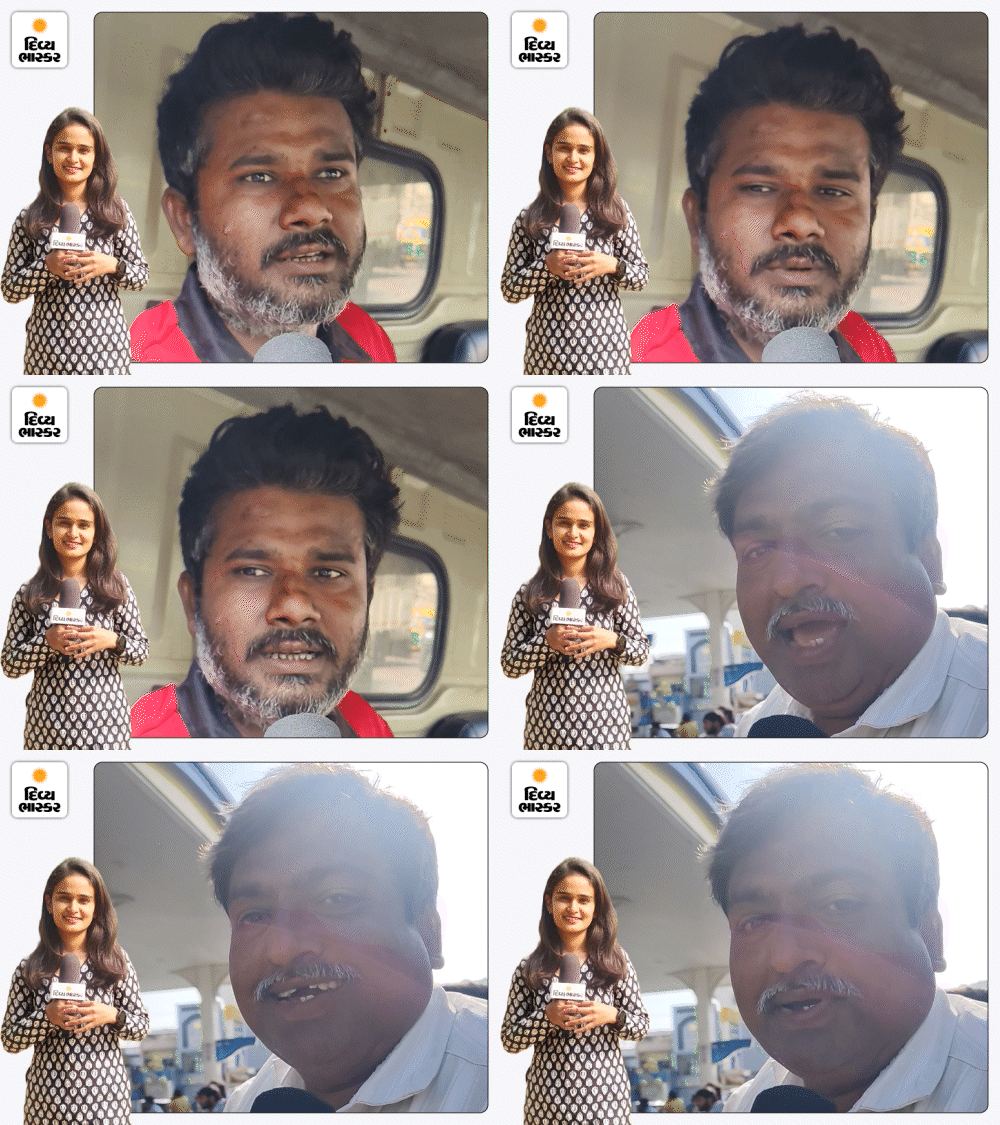
Petrol pump owners have expressed their frustration with the situation. Many owners told reporters that they tried to tell customers that there was plenty of fuel, but people would not listen. Some workers at the pumps said they were exhausted from managing the huge crowds. On the other hand, some members of the public admitted they were only in line because they were scared. One driver mentioned that even though he had half a tank of petrol, he joined the line because he did not want to take a risk. Industry experts say that this kind of panic actually creates more problems than it solves, as it can temporarily empty a pump's storage before the next truck arrives.
What This Means Going Forward
Going forward, it is important for people to stay calm and check official news sources before reacting to rumors. The government and oil companies need to communicate more clearly when these rumors start to prevent panic. If people only buy what they need, there will always be enough fuel for everyone. This event serves as a reminder that social media news should be verified. In the coming days, the long lines are expected to disappear as people realize that petrol is still available and the supply is steady. Local authorities may also monitor social media more closely to stop the spread of false information that causes public unrest.
Final Take
The recent rush at petrol pumps in Gujarat was caused by fear rather than a real problem. There is no shortage of fuel, and the stock is plenty. By staying calm and not following the crowd without a good reason, citizens can help keep things running smoothly. It is always better to wait for official news than to act on a rumor that has no proof.
Frequently Asked Questions
Is there a real petrol shortage in Gujarat?
No, there is no shortage. Oil companies have confirmed that they have enough stock to meet the needs of the public. The long lines were caused only by rumors and panic buying.
Why did people start lining up at petrol pumps?
People started lining up because of false messages on social media claiming that petrol would not be available soon. Many people joined the lines simply because they saw others doing the same.
What should I do if I hear about a fuel shortage?
You should check official news websites or government announcements. Do not believe everything you see on social media. If there is no official word, there is usually no reason to panic or rush to the pump.



