
Summary
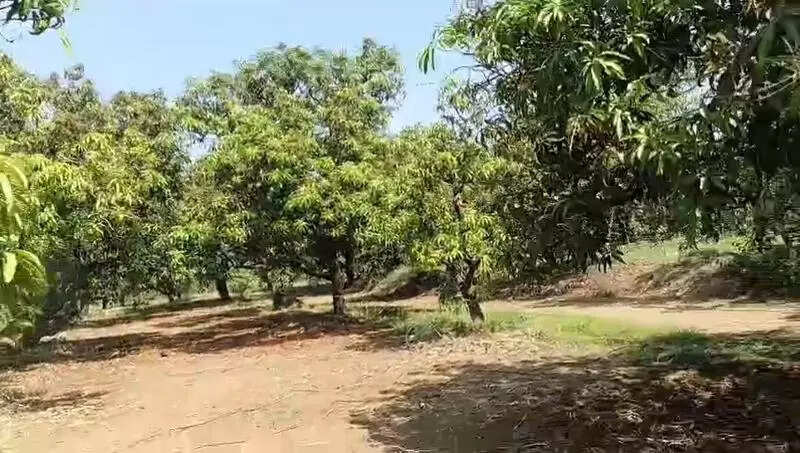
Mango farmers in Gujarat are facing a difficult season as their hopes for a record-breaking harvest begin to fade. Earlier this year, mango trees showed an incredible amount of flowering, which usually signals a massive crop. However, changing weather conditions and rising temperatures have caused these flowers and young fruits to drop prematurely. This sudden shift means that the expected surplus of mangoes will likely not happen, leading to concerns about supply and pricing.
Main Impact
The primary impact of this situation is a significant reduction in the expected yield of popular mango varieties like Kesar and Alphonso. When the season began, the heavy bloom made farmers optimistic about a "bumper" year. Now, that optimism has turned into worry as the actual fruit count on the trees is much lower than anticipated. This loss affects the entire supply chain, from the rural growers who rely on the income to the urban consumers who will likely face higher prices at the market.
Key Details
What Happened
In the early months of the year, mango orchards across regions like Valsad, Navsari, and Gir were covered in thick white and yellow flowers. This stage, known as flowering, is the first step toward a good harvest. However, as the season moved into the fruit-setting stage, the weather did not stay favorable. Sudden spikes in heat and dry winds caused the delicate flowers to dry up. In many cases, the tiny green mangoes that had just started to form fell off the branches before they could grow larger.
Important Numbers and Facts
Agricultural experts initially predicted a 20% to 30% increase in production compared to last year because of the early bloom. Current estimates now suggest that the final harvest could be 40% lower than those early predictions. In some specific districts, farmers report that more than half of their potential crop has been lost. The temperature in these growing regions has stayed consistently above 35 degrees Celsius, which is too high for the young fruit to survive without damage.
Background and Context
Mangoes are a sensitive crop that requires a very specific balance of cold and heat. A cool winter helps the trees produce flowers, but once the fruit starts to grow, they need steady, moderate warmth. If the temperature rises too quickly or if there is a sudden change in humidity, the tree goes into stress. To protect itself, the tree sheds its fruit to save water and energy. This year, the transition from winter to summer happened too fast, leaving the trees unable to support the heavy load of fruit they initially promised.
Public or Industry Reaction
Farmers are expressing deep frustration because they have already invested heavily in their orchards. Many spent large sums of money on fertilizers, irrigation, and labor to manage the initial heavy bloom. Now that the crop is failing, they fear they will not be able to recover these costs. Market traders are also concerned, as they had already made deals based on the expectation of a high supply. They now expect that the "King of Fruits" will remain a luxury item this year, with prices staying high throughout the peak months of May and June.
What This Means Going Forward
This trend highlights the growing difficulty of traditional farming in a changing climate. Moving forward, mango growers may need to adopt new techniques to protect their trees. This could include using specialized nets to provide shade or installing advanced drip irrigation systems to keep the soil moisture levels steady during heatwaves. There is also a call for better crop insurance programs that can help farmers when weather patterns destroy their harvest. Without these changes, the yearly mango season will become increasingly unpredictable for both growers and buyers.
Final Take
The transition from a promising bloom to a thinning harvest is a harsh reminder of how much agriculture depends on the weather. While the early signs pointed to a year of plenty, nature had other plans. Consumers should prepare for a shorter mango season and higher costs, while the farming community looks for ways to survive a disappointing financial year. The dream of a record-breaking mango season has largely vanished, replaced by the reality of a struggling harvest.
Frequently Asked Questions
Why did the mango crop fail after such a good start?
The main reason was the sudden increase in temperature and dry winds. These conditions caused the flowers and small fruits to dry up and fall off the trees before they could mature.
Will mango prices be higher this year?
Yes, because the total supply of mangoes is expected to be much lower than usual, prices in local and export markets are likely to increase.
Which mango varieties are most affected?
The Kesar and Alphonso varieties, which are the most popular in Gujarat and Maharashtra, have seen the most significant fruit drop due to the recent heatwaves.



