
Summary
Local government elections are currently underway across Gujarat, marking a major day for the state's democratic process. By 11:00 AM, the average voter turnout reached approximately 18% as citizens headed to the polls to choose their local representatives. This election is massive in scale, covering thousands of seats in municipal corporations, district panchayats, and taluka panchayats. Despite some technical issues with voting machines and extreme heat, the early hours showed a steady flow of voters, including several well-known personalities and dedicated citizens.
Main Impact
The primary impact of today’s vote is the selection of leaders who will manage local issues like water, roads, and public health for the next few years. With over 25,000 candidates competing for 10,000 seats, the political stakes are incredibly high for all major parties. The high turnout in the early morning suggests that people are eager to have their voices heard, even as temperatures are expected to rise significantly. This election will serve as a clear indicator of the political mood at the grassroots level across both urban and rural areas of the state.
Key Details
What Happened
Voting began at 7:00 AM and is scheduled to continue until 6:00 PM. Unlike previous years where different local bodies voted on different days, this time the elections for all local institutions are happening simultaneously. The day has been filled with stories of high energy and some unexpected challenges. In Gondal, a groom made sure to cast his vote at a girls' school before heading to his own wedding procession. In Surendranagar, a 100-year-old woman set an example by arriving at the booth to exercise her right to vote.
However, the process was not entirely smooth. In Morbi, Electronic Voting Machines (EVMs) stopped working three different times, causing frustration among voters. Similarly, in Jamnagar, voting was delayed by an hour due to technical faults with the machines. One of the most unusual situations occurred in Bharuch, where a power outage forced officials and voters to continue the process using candlelight inside the polling station.
Important Numbers and Facts
The scale of this election is vast, involving a large portion of the state's administration. Here are the key figures:
- Total Seats: Approximately 10,000 seats are up for grabs.
- Total Candidates: More than 25,000 people are contesting the elections.
- Municipal Corporations: Voting is taking place in 15 out of 17 corporations.
- District and Taluka Panchayats: 34 district panchayats and 260 taluka panchayats are involved.
- Municipalities: 84 municipalities are holding elections today.
- Weather Warning: Temperatures are expected to hit 44 degrees Celsius, posing a challenge for afternoon turnout.
Background and Context
Local body elections are often called the "third tier" of democracy. While state and national elections get a lot of attention, these local polls directly affect the daily lives of citizens. The people elected today will be responsible for local infrastructure, sanitation, and primary education. In the past, these elections were held on separate dates for cities and villages. This year, the decision to hold them all at once has put a massive logistical load on the election commission and security forces. Political parties have also had to change their strategies to cover both rural and urban voters at the same time.
Public or Industry Reaction
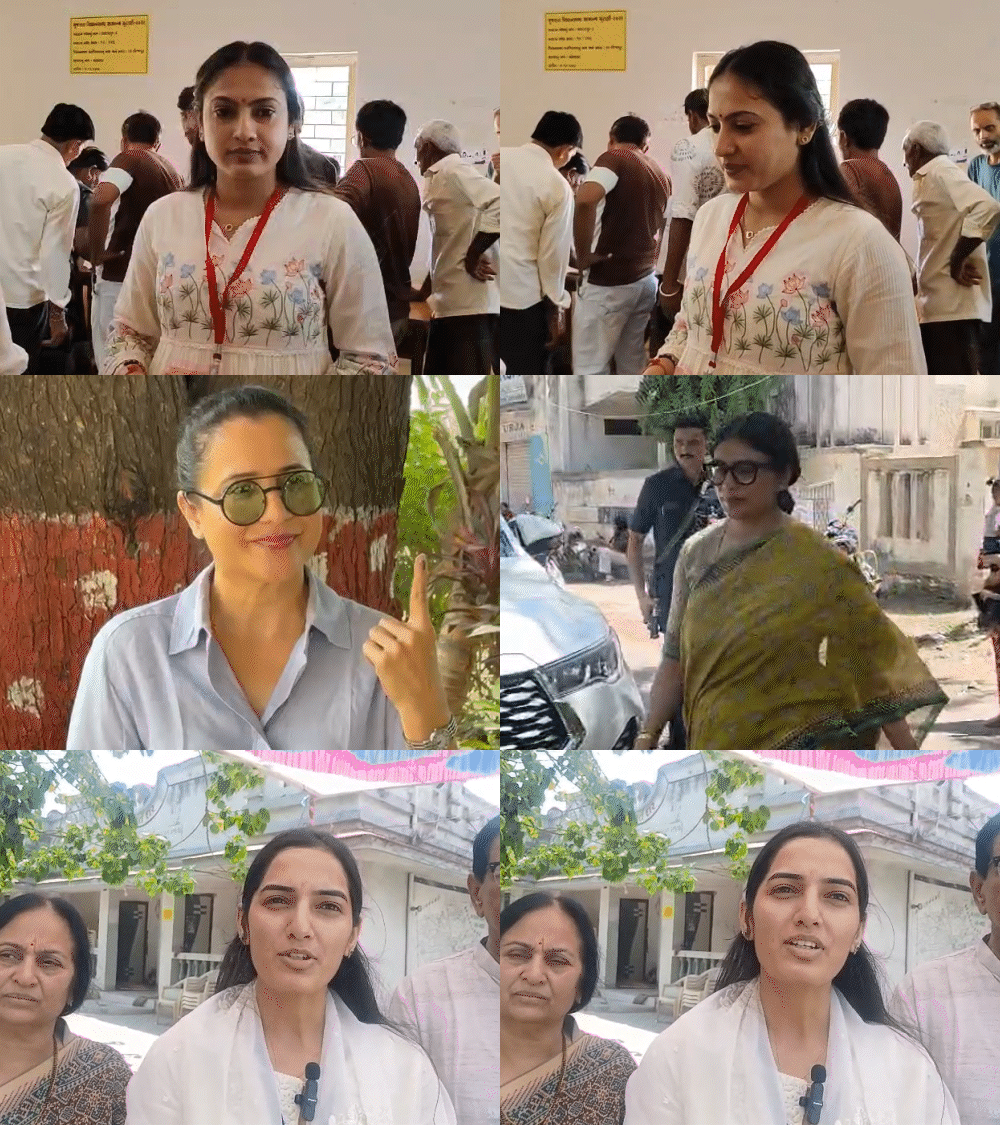
The public reaction has been one of active participation. Social media has played a big role in encouraging people to vote. Popular figures like folk singer Neha Suthar, Sonal Der (daughter of famous artist Mayabhai), and social media influencer Ankita Parmar were seen at polling booths. Their presence helped motivate younger voters to participate. On the political side, party workers are working hard to help elderly voters reach the booths before the midday heat becomes unbearable. There is some concern regarding the EVM failures, with some citizens calling for better technical checks in future elections to avoid delays.
What This Means Going Forward
The results of these elections will provide a roadmap for the state's political future. If the turnout remains high despite the 44-degree heat, it shows a strong engagement with local governance. The technical issues faced today, such as the EVM failures in Morbi and the power cut in Bharuch, will likely lead to calls for better infrastructure at polling stations. Moving forward, the winning candidates will face the immediate task of addressing local grievances that have been highlighted during the campaign period. The outcome will also show which political parties have the strongest support in the villages versus the big cities.
Final Take
Today’s election in Gujarat is a powerful display of how much people value their right to vote. From a century-old grandmother to a groom on his wedding day, the commitment to democracy is clear. While technical glitches and extreme weather presented obstacles, the steady flow of voters shows that the local spirit remains strong. The final turnout figures will eventually tell the full story of this massive election day.
Frequently Asked Questions
What is the average voter turnout so far?
As of 11:00 AM, the average voter turnout across the state was recorded at approximately 18%.
Which areas are participating in these elections?
The elections cover 15 municipal corporations, 34 district panchayats, 260 taluka panchayats, and 84 municipalities across Gujarat.
What challenges were reported during the voting process?
The main challenges included EVM malfunctions in Morbi and Jamnagar, a power outage in Bharuch that required voting by candlelight, and extreme heat reaching up to 44 degrees Celsius.



