
Summary
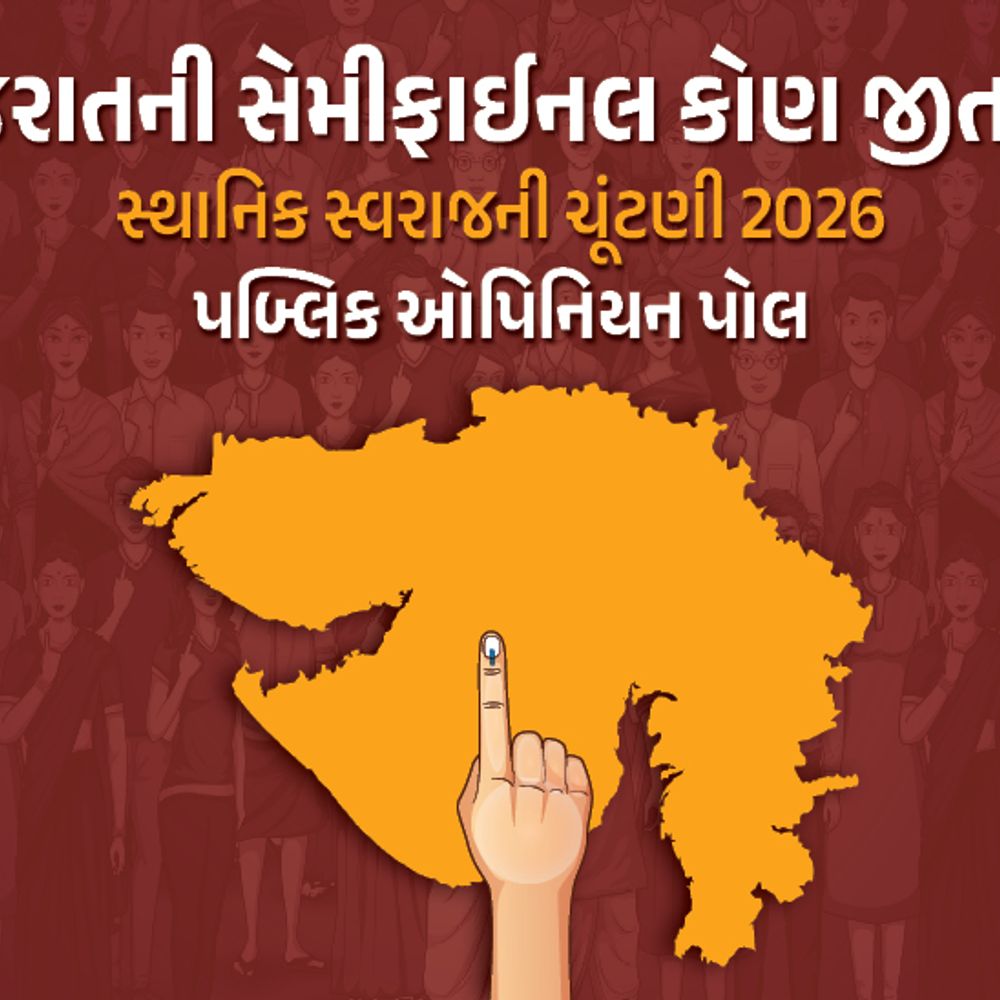
Gujarat is preparing for a massive round of local elections that will cover nearly 90 percent of the state. These elections are being called the "semifinal" because they happen just before the 2027 state assembly elections. To understand what the public thinks, a major news organization has launched a large-scale survey. This survey asks citizens about their satisfaction with current leaders and the main problems they face in their daily lives.
Main Impact
The upcoming local body elections will involve over 4.18 crore voters across Gujarat. This is a huge number that represents the voice of the people in both big cities and small villages. The results will show which political parties have the most support at the ground level. Because these polls cover so much area, they will act as a clear signal for what might happen in the next big state election. It forces local leaders to answer for their work over the last five years.
Key Details
What Happened
The state of Gujarat is getting ready for elections in various local government offices. These include big city corporations, smaller town municipalities, and village-level panchayats. To capture the mood of the voters, Divya Bhaskar has started a "Mega Survey." The survey asks three simple but important questions. First, it asks if people are happy with their current local representative. Second, it asks which party they plan to vote for next. Third, it asks about the biggest problems in their area, such as water or roads.
Important Numbers and Facts
The scale of these elections is very large. Here are the key figures involved in the 2026 local polls:
- 15 Municipal Corporations: These cover the largest cities in Gujarat, with 1.10 crore voters.
- 84 Municipalities: These represent medium-sized towns, involving 33 lakh voters.
- 34 District Panchayats and 260 Taluka Panchayats: These cover rural areas and smaller districts, with a massive 2.74 crore voters.
- Total Voters: Around 4.18 crore people are eligible to cast their ballots.
Background and Context
Local body elections are often called "local swaraj" elections. They are important because they deal with the services people use every day. While state elections focus on big laws and policies, local elections are about things like clean water, working street lights, and trash collection. In Gujarat, the ruling party and the opposition both use these elections to test their strength. Winning in the villages and cities gives a party a strong network of workers and supporters. This network is essential for winning the bigger state assembly seats later on.
Public or Industry Reaction
Many citizens are using this survey to voice their frustrations. In many parts of Gujarat, people are worried about basic issues. Common complaints include broken roads, water shortages, and the problem of stray cattle on the streets. Traffic congestion in growing cities and poor sewage systems are also major concerns. By participating in the survey, the public is sending a message to political parties that they want better services, not just promises. Political experts believe that the party that addresses these basic local needs will have the best chance of winning.
What This Means Going Forward
The next few months will see a lot of political activity across Gujarat. Parties will look at survey results to decide which candidates to keep and which ones to replace. If the survey shows high dissatisfaction, we might see many new faces in the upcoming election. For the voters, this is a chance to demand better living conditions. The outcome of these local polls will decide the political direction of the state for the next few years. It will also show if new political groups are gaining ground against the traditional big parties.
Final Take
These local elections are the ultimate test of how well the government is working for the common man. With over 4 crore people ready to vote, the message from the grassroots will be impossible to ignore. The survey is the first step in understanding whether the people of Gujarat want to continue with the current path or if they are ready for a change in their local leadership.
Frequently Asked Questions
Why are these elections called the "semifinal"?
They are called the semifinal because they take place shortly before the 2027 Gujarat Assembly elections. The results usually predict which party has the most momentum for the bigger state-wide vote.
How many people will vote in the Gujarat local elections?
A total of approximately 4.18 crore voters are expected to participate across cities, towns, and rural village areas.
What are the main issues being discussed in the survey?
The survey focuses on local problems like bad roads, water scarcity, traffic, sewage issues, cleaning services, street lights, and the danger of stray cattle.



