
Summary
Gujarat is currently holding a massive round of local elections to choose leaders for thousands of positions across the state. This major voting event covers cities, towns, and villages all on the same day, which is a change from how things were done in the past. Despite extreme heat and some technical problems with voting machines, people are showing up to cast their ballots. From elderly citizens to young grooms, the spirit of voting is visible in many different communities.
Main Impact
The primary impact of this election is the selection of local leaders who will manage daily services for millions of people. These leaders are responsible for things like clean water, local roads, and public health in their areas. Because so many seats are being filled at once, the results will give a clear picture of which political parties have the most support at the grassroots level. This election is a huge test for both the ruling party and the opposition, as they try to win over voters in both big cities and small rural villages.
Key Details
What Happened
Voting began early in the morning at 7:00 AM across various parts of Gujarat. The process is scheduled to continue until 6:00 PM to give everyone a chance to participate. This year is unique because the state decided to hold elections for almost all local bodies on a single day. In previous years, city elections and village elections were often held on different dates. This change requires a massive effort from the police and election officials to keep everything running smoothly and safely.
Important Numbers and Facts
The scale of this election is quite large. There are about 10,000 seats available across different levels of local government. To fill these seats, more than 25,000 candidates are competing for votes. The election is taking place in 15 out of 17 major municipal corporations. Additionally, voters are casting ballots for 34 district panchayats, 260 taluka panchayats, and 84 municipalities. These numbers show just how much work goes into organizing such a widespread democratic event.
Background and Context
Local elections are often called the foundation of democracy. While national elections decide who runs the country, local elections decide who manages the immediate needs of a neighborhood. In Gujarat, these elections are usually very competitive. Political parties put in a lot of effort because winning at the local level helps them build a strong base for future state and national elections. The decision to hold all these elections at once was made to streamline the process, though it puts more pressure on the voting infrastructure and the staff managing the booths.
Public or Industry Reaction
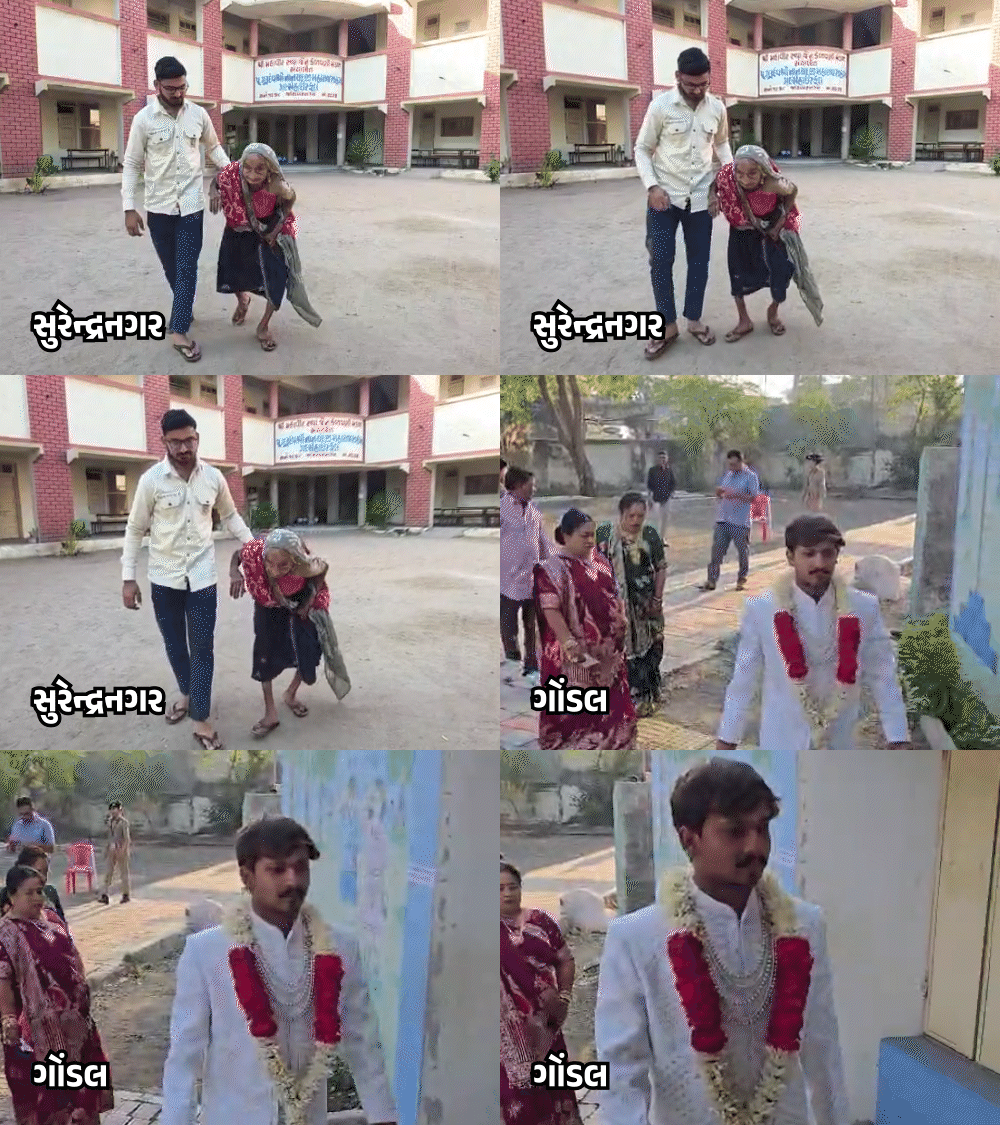
The public has shown a lot of excitement despite some challenges. In Surendranagar, a 100-year-old woman gained attention for coming out to vote, proving that age does not stop a person from doing their duty. In another heart-warming story from Gondal, a groom went to the polling station to vote before heading to his own wedding ceremony. These stories have been shared widely as examples of strong civic duty.
However, there have also been some frustrations. In several locations, Electronic Voting Machines (EVMs) stopped working for a short time. This caused delays and made some voters wait longer than expected. Additionally, the weather has been a major talking point. With temperatures expected to reach as high as 44 degrees Celsius, many people tried to vote early in the morning to avoid the intense afternoon sun. Political workers have been busy helping elderly and disabled voters reach the booths in the heat.
What This Means Going Forward
Once the voting ends this evening, the focus will shift to the counting of the votes. The results will determine the local government for the next five years. If one party wins a large majority, they will have a lot of power to implement their local policies. If the results are split, parties may have to work together to manage local councils. The high heat remains a concern for the final voter turnout numbers. If fewer people show up because of the weather, it could lead to unexpected results in close races. Election officials will also need to look into why some voting machines failed to ensure better performance in the future.
Final Take
This election day in Gujarat shows that people value their right to vote, even when faced with extreme weather or technical glitches. The participation of centenarians and young people alike highlights a deep connection to the democratic process. The final results will soon reveal the new face of local leadership across the state.
Frequently Asked Questions
What time does the voting end?
Voting is scheduled to take place from 7:00 AM in the morning until 6:00 PM in the evening.
How many candidates are participating in this election?
There are more than 25,000 candidates competing for approximately 10,000 seats across various local bodies in Gujarat.
What were the main challenges faced during the voting process?
The two main challenges were the extreme heat, with temperatures reaching 44 degrees Celsius, and occasional technical issues with Electronic Voting Machines (EVMs) in some areas.



