
Summary
Gujarat is currently facing a severe heatwave that is expected to intensify over the next 48 hours. Weather experts predict that temperatures across the state will rise by another 2 to 3 degrees Celsius during this period. Major cities like Ahmedabad and Gandhinagar are under weather alerts as the heat reaches dangerous levels. This sudden spike in temperature is part of a dry weather spell that is likely to last for at least one week.
Main Impact
The primary impact of this weather shift is the extreme physical discomfort and health risks for the residents of Gujarat. With temperatures set to hit 44 degrees Celsius in some areas, the risk of heat-related illnesses like heatstroke and dehydration has increased significantly. The heat is not just dry; it is also being mixed with moisture from the sea. This combination makes the air feel much hotter and stickier than the actual temperature suggests, leading to heavy sweating and exhaustion for anyone outdoors.
Key Details
What Happened
The weather department has been monitoring a steady rise in heat across the state. A weather system known as a Western Disturbance is currently influencing the region, which will keep the air dry for the next seven days. Because there is no rain or cool wind expected soon, the ground and air will continue to heat up. The wind is currently blowing from the west and north-west directions, bringing hot air into the heart of the state.
Important Numbers and Facts
In the last 24 hours, several cities have already recorded very high temperatures. Amreli was the hottest spot in the state, reaching 43.3 degrees Celsius. Ahmedabad recorded a high of 42.1 degrees, while Gandhinagar reached 41.5 degrees. For today, Ahmedabad is under a "Yellow Alert" with an expected high of 43 degrees. However, the situation is expected to worsen tomorrow. An "Orange Alert" has been issued for Ahmedabad as the temperature is predicted to climb to 44 degrees Celsius. Gandhinagar is also expected to see a high of 42 degrees today.
Background and Context
Heatwaves are common in Gujarat during this time of year, but the intensity can vary based on wind patterns. When winds blow from the land, they are usually dry and hot. When they blow from the sea, they bring moisture. Right now, the state is experiencing a mix of both. The coastal areas are feeling very humid, which prevents the body from cooling down through sweat. This makes the "real feel" of the temperature much higher than what is shown on a thermometer. The weather office uses color-coded alerts to help people prepare. A Yellow Alert means "be aware," while an Orange Alert means "be prepared" for extreme conditions that could affect health.
Public or Industry Reaction
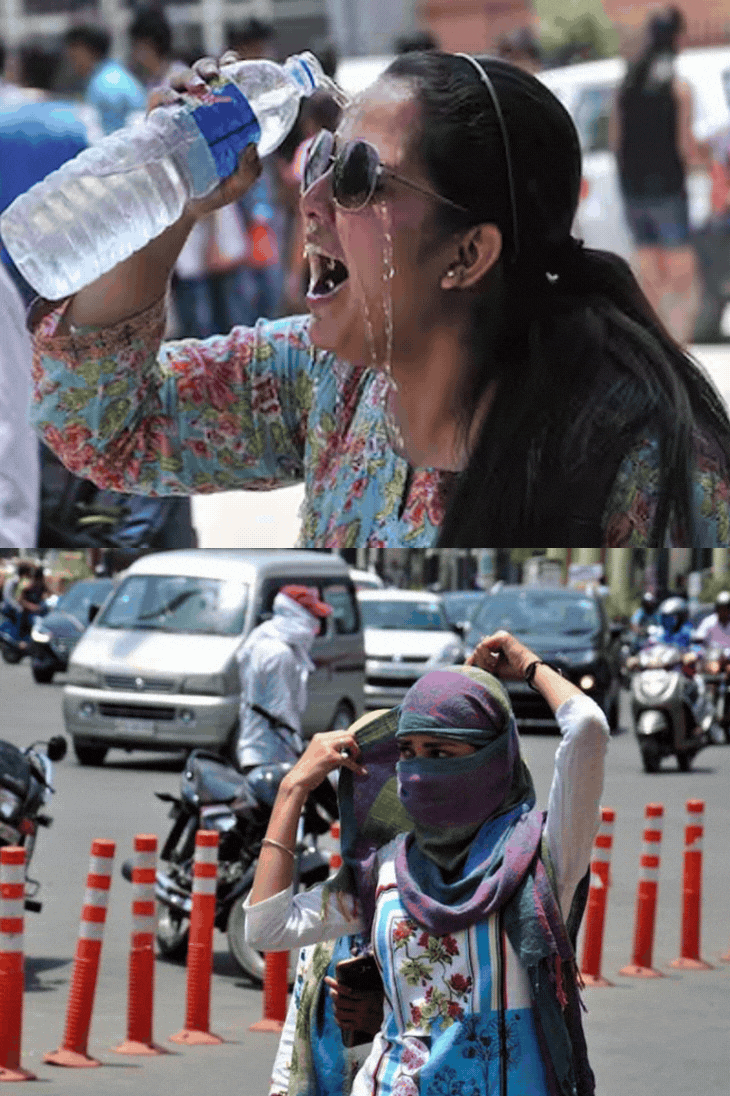
Residents across Ahmedabad and Gandhinagar are already changing their daily routines to cope with the heat. Many people are choosing to finish their outdoor work early in the morning or late in the evening to avoid the afternoon sun. Local health experts are advising citizens to drink plenty of water and avoid sugary or caffeinated drinks that can cause dehydration. Schools and outdoor workers are being encouraged to take frequent breaks in the shade. In the markets, there has been a noticeable drop in foot traffic during the peak afternoon hours as people stay indoors to stay cool.
What This Means Going Forward
While the next 48 hours will be the most difficult, there is a small sign of relief on the horizon. After this two-day peak, the weather department expects the temperature to drop by about 2 to 3 degrees. However, this does not mean the heat will go away entirely. The weather will remain hot and dry for the rest of the week. People should continue to monitor weather updates and take precautions. The high humidity in coastal regions will likely persist, meaning the "sticky" feeling in the air will continue to cause discomfort even if the temperature drops slightly.
Final Take
The upcoming 44-degree peak is a reminder of how intense the summer season can be in Gujarat. It is essential for everyone to prioritize their health by staying hydrated and staying out of the sun during the hottest parts of the day. Taking small steps now can prevent serious health issues later. While the heat might dip slightly after a few days, the overall dry spell suggests that summer is here in full force, and caution remains the best tool for staying safe.
Frequently Asked Questions
What is the difference between a Yellow Alert and an Orange Alert?
A Yellow Alert is a warning to stay updated and be aware of worsening weather. An Orange Alert is more serious, indicating that the heat could cause health risks for vulnerable people and that residents should take active steps to stay safe.
Why does the heat feel worse in coastal areas?
Coastal areas have high humidity. When the air is humid, sweat does not evaporate quickly from the skin. Since evaporation is how the body cools itself, high humidity makes you feel much hotter and more uncomfortable.
How can I stay safe during a 44-degree heatwave?
The best ways to stay safe are to drink lots of water, wear light-colored cotton clothes, and stay indoors between 11 AM and 4 PM. If you must go outside, use an umbrella or a hat to protect yourself from direct sunlight.



