
Summary
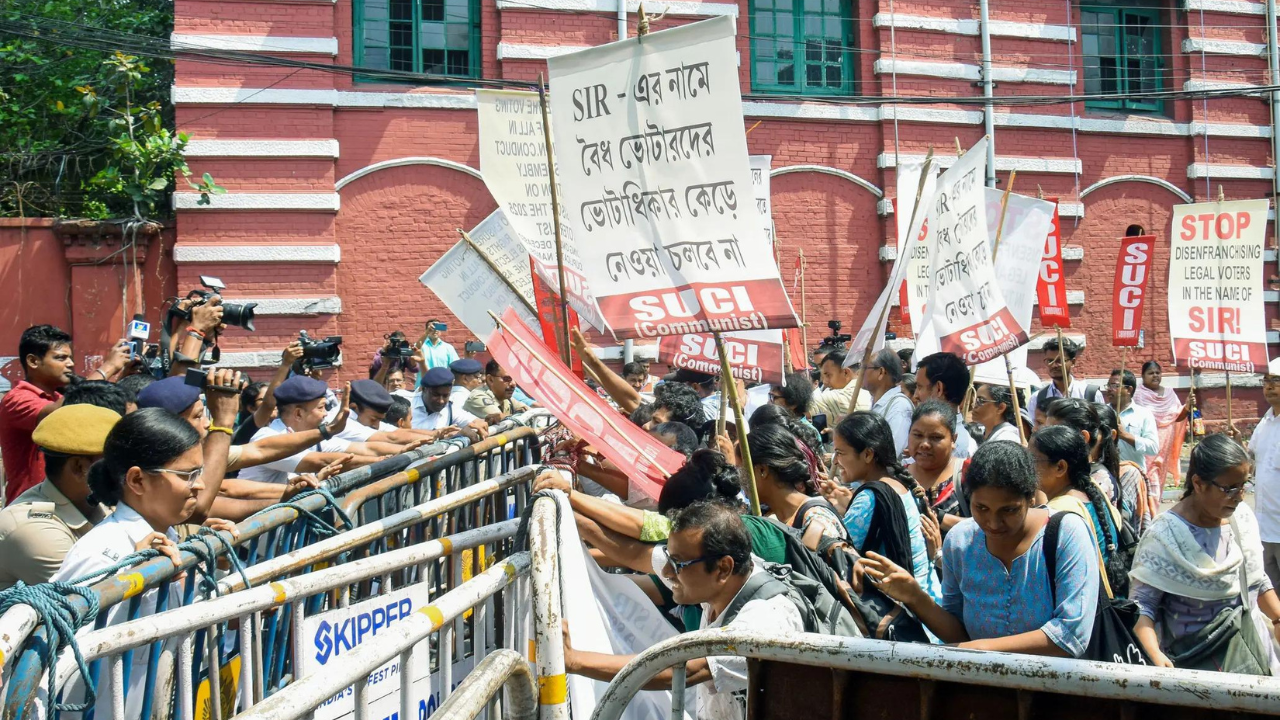
Police in Gujarat have started conducting late-night visits and raids on the homes of local farmers and activists. These actions are linked to ongoing protests against the Special Investment Region (SIR) projects in the state. Many residents report being woken up in the middle of the night by police officers questioning them about their involvement in land rights movements. This situation has caused widespread fear and tension in rural areas where the government plans to build large industrial hubs.
Main Impact
The primary impact of these police actions is a growing sense of insecurity among the farming community. By visiting homes at midnight, the authorities have created an atmosphere of pressure that many locals feel is meant to stop them from protesting. This development has turned a legal and economic dispute over land into a human rights concern. Families are now worried about the safety of their members, and the trust between the local population and the government has reached a new low.
Key Details
What Happened
In several villages across the regions marked for industrial development, police teams arrived late at night to speak with residents. According to local reports, these "midnight knocks" were aimed at individuals who have been vocal against the Special Investment Region Act. In some cases, people were taken to police stations for questioning without clear explanations. The police claim these actions are necessary to maintain order and prevent any illegal gatherings that might disrupt government work. However, the villagers see it as a way to silence their voices before they can organize larger meetings.
Important Numbers and Facts
The Special Investment Region Act was first introduced in 2009 to help create massive industrial zones. One of the largest projects, the Dholera SIR, covers over 900 square kilometers. This area includes 22 villages where thousands of people rely on farming for their daily bread. Under the current rules, the government can take a large portion of a farmer's land for infrastructure like roads and parks without paying the same high rates required by central government laws. This has led to years of legal battles in the high courts and the Supreme Court.
Background and Context
To understand why this is happening, it is important to know what an SIR is. A Special Investment Region is a large area of land that the government sets aside for factories, businesses, and new cities. The goal is to boost the economy and create jobs. However, the way the land is taken is very different from standard land buying. In an SIR, the government uses a process called "town planning schemes." This allows them to take up to 40% or even 50% of a person's land for public use without giving them money in return, arguing that the remaining land will become more valuable because of the new development.
Farmers are unhappy because they lose their best farming soil and often do not get enough compensation to buy new land elsewhere. They argue that the state law ignores the Central Land Acquisition Act of 2013, which was designed to protect farmers and ensure they give their consent before their land is taken. This conflict between state goals and local rights is the root of the current tension.
Public or Industry Reaction
Farmer unions and local leaders have strongly criticized the police for their late-night tactics. They argue that if the police want to talk to citizens, they should do so during the day. Activists have called these actions "undemocratic" and claim that the government is using the police force to help private corporations get land more easily. On the other side, some industry experts believe that the SIR projects are vital for the state's future. They argue that without these large zones, it would be impossible to attract big international companies to build factories and create modern jobs for the younger generation.
What This Means Going Forward
The situation is likely to remain tense as more industrial projects are planned. The legal fight over whether the SIR Act is valid will continue in the courts. If the courts rule in favor of the farmers, the government may have to change how it acquires land and pay much higher prices. If the government wins, the industrial projects will move forward, but the social cost could be high. There is a risk that the anger in these villages could lead to larger protests, which might slow down the very economic growth the government is trying to achieve. Clear communication and fair compensation will be the only way to resolve the standoff peacefully.
Final Take
Development is necessary for any growing economy, but it should not come at the cost of the basic rights and peace of mind of the people living on the land. The use of police force to manage land disputes often backfires by creating more anger and resistance. For these industrial projects to truly succeed, the government must find a way to include farmers in the process rather than making them feel like they are being pushed out of their own homes in the middle of the night.
Frequently Asked Questions
What is a Special Investment Region (SIR)?
An SIR is a large area designated by the government for industrial and commercial growth. It is managed under specific state laws that allow for faster land development and infrastructure building compared to regular areas.
Why are farmers protesting against the SIR?
Farmers are protesting because they lose a significant portion of their land without receiving fair market compensation. They also worry that industrial waste will ruin the environment and their remaining agricultural land.
Is the police action legal?
While police have the authority to maintain peace, activists argue that midnight visits without a specific warrant or immediate threat are a violation of privacy and a tactic used to intimidate peaceful protesters.



