
Summary
Today marks the final deadline for candidates to submit their nomination papers for the upcoming local body elections in Gujarat. Political activity has reached a peak as candidates from various parties rush to government offices to complete their filings. In a major move, the Congress party changed seven of its candidates in Ahmedabad at the last minute. Meanwhile, the BJP has finalized its list for the remaining wards in Surat, signaling a high-stakes battle for control of the state's major municipal corporations.
Main Impact
The final day of nominations has brought significant changes to the political map of Gujarat's cities. The decision by major parties to swap candidates or hold back names shows a deep concern over internal disagreements and local protests. By replacing a large number of experienced leaders with new faces, the parties are trying to refresh their image. This shift could change how local government works, as many long-term representatives will no longer be in power, making room for a new generation of politicians.
Key Details
What Happened
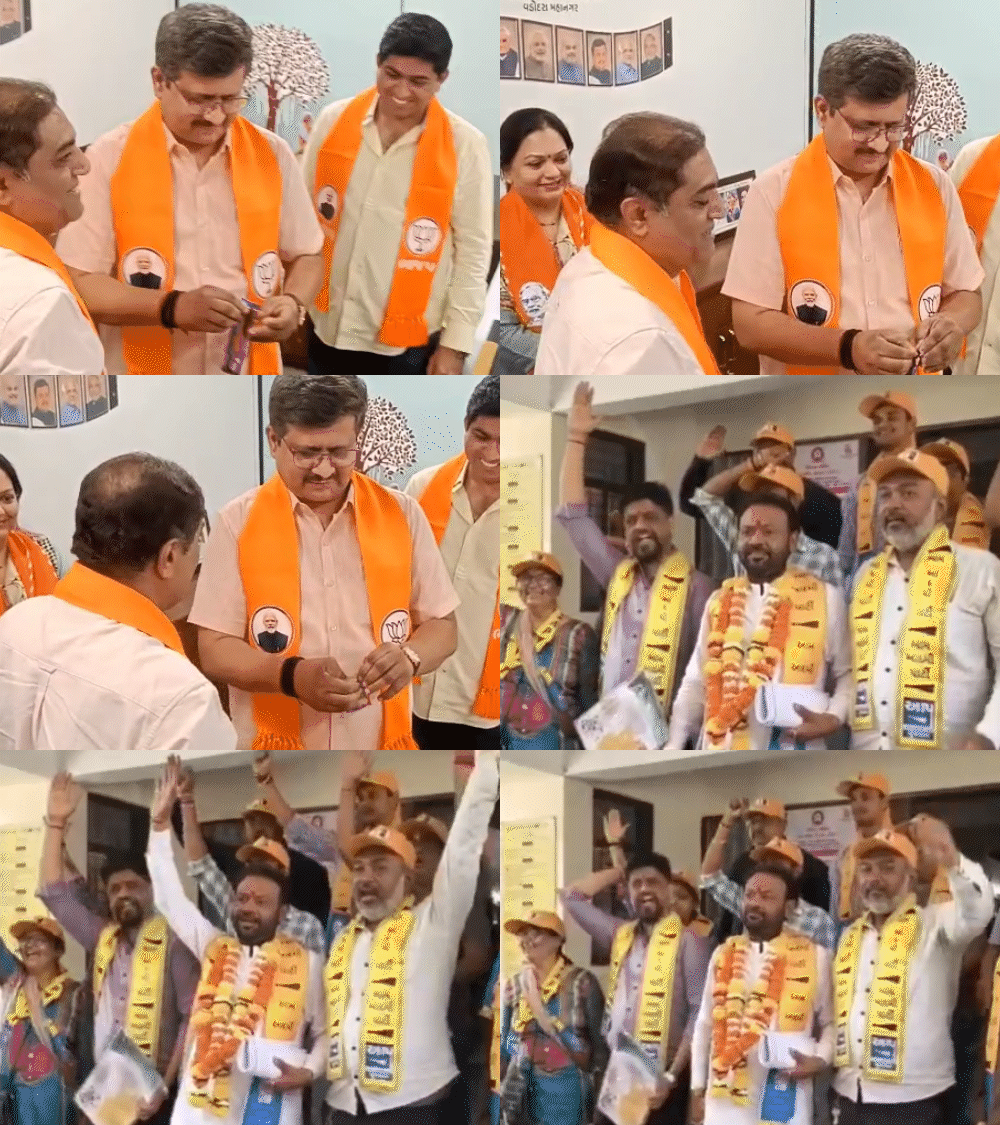
Since 10:00 AM this morning, government offices have been crowded with people. Many candidates arrived in large groups, accompanied by supporters playing drums and carrying flags to show their strength. In Ahmedabad, the Congress party released its second list of candidates but chose to keep names for 14 specific wards hidden until the very end. To avoid public protests from unhappy members, the party decided to give "direct mandates" to these candidates. This means the chosen individuals receive their official party letters privately to file their papers without interference from rivals within the same party.
Important Numbers and Facts
The scale of these elections is massive. The BJP has announced a total of 9,500 candidates across 15 municipal corporations, municipalities, and local panchayats. One of the most shocking facts is that nearly 80% of the previous office-holders and senior leaders have been dropped from the list. In Ahmedabad, the Congress has only officially named candidates for 34 out of the 48 available wards. The remaining 14 wards, which include areas like Dariapur, Jamalpur, and Danilimda, are considered "sensitive" due to heavy competition between local leaders.
Background and Context
Local body elections are often called the "battle for the streets" because they decide who will manage basic services like water supply, road repairs, and waste management. In Gujarat, these elections are a test of strength for both the BJP and the Congress before larger state-wide polls. The reason for the delay in announcing names is often "lobbying." This happens when powerful local leaders try to influence party heads to pick their friends or family members. By waiting until the last day, party headquarters hope to reduce the time available for disappointed members to quit or join a rival party.
Public or Industry Reaction
The atmosphere on the ground is a mix of celebration and tension. While supporters are celebrating with rallies, there is visible anger among some veteran politicians who were denied a chance to run. In several parts of Ahmedabad and Surat, local workers have expressed their frustration over the "no-repeat" policy, where old winners are replaced by newcomers. Political experts suggest that while this brings fresh energy, it also risks losing the experience of people who have served the city for decades. Voters are watching closely to see if these new faces can deliver better results than the previous ones.
What This Means Going Forward
Now that the nomination window is closing, the focus will shift to the scrutiny of the forms. Election officials will check every document to ensure the candidates meet all legal requirements. Any mistake in the paperwork could lead to a candidate being disqualified, which would be a huge blow to their party. After the forms are cleared, the real campaigning will begin. The parties must now work hard to unite their members. If those who were left out of the list decide to stay angry, it could split the votes and lead to unexpected results on election day.
Final Take
The rush to file nominations today shows how competitive local politics has become in Gujarat. Both the BJP and Congress are taking big risks by changing their candidate lineups so drastically. The use of direct mandates and the removal of veteran leaders suggest that parties are prioritizing discipline and a fresh image over traditional loyalty. As the deadline passes, the stage is set for a fierce contest that will determine the future of urban development in the state's biggest cities.
Frequently Asked Questions
What is a "direct mandate" in an election?
A direct mandate is when a political party gives the official nomination letter directly to a candidate without making a public announcement first. This is usually done to prevent internal protests or to stop other members from filing as independent candidates.
Why did the BJP replace 80% of its candidates?
The party often uses this strategy to bring in new faces and reduce public dissatisfaction with long-term office holders. It helps the party fight the feeling that the same people have been in power for too long without making enough progress.
Which wards in Ahmedabad were the most controversial for the Congress?
Wards like Dariapur, Jamalpur, Danilimda, and Behrampura were among the 14 areas where the Congress delayed its announcement. These areas often have many strong local leaders competing for a single spot, leading to high levels of internal disagreement.



