
Summary
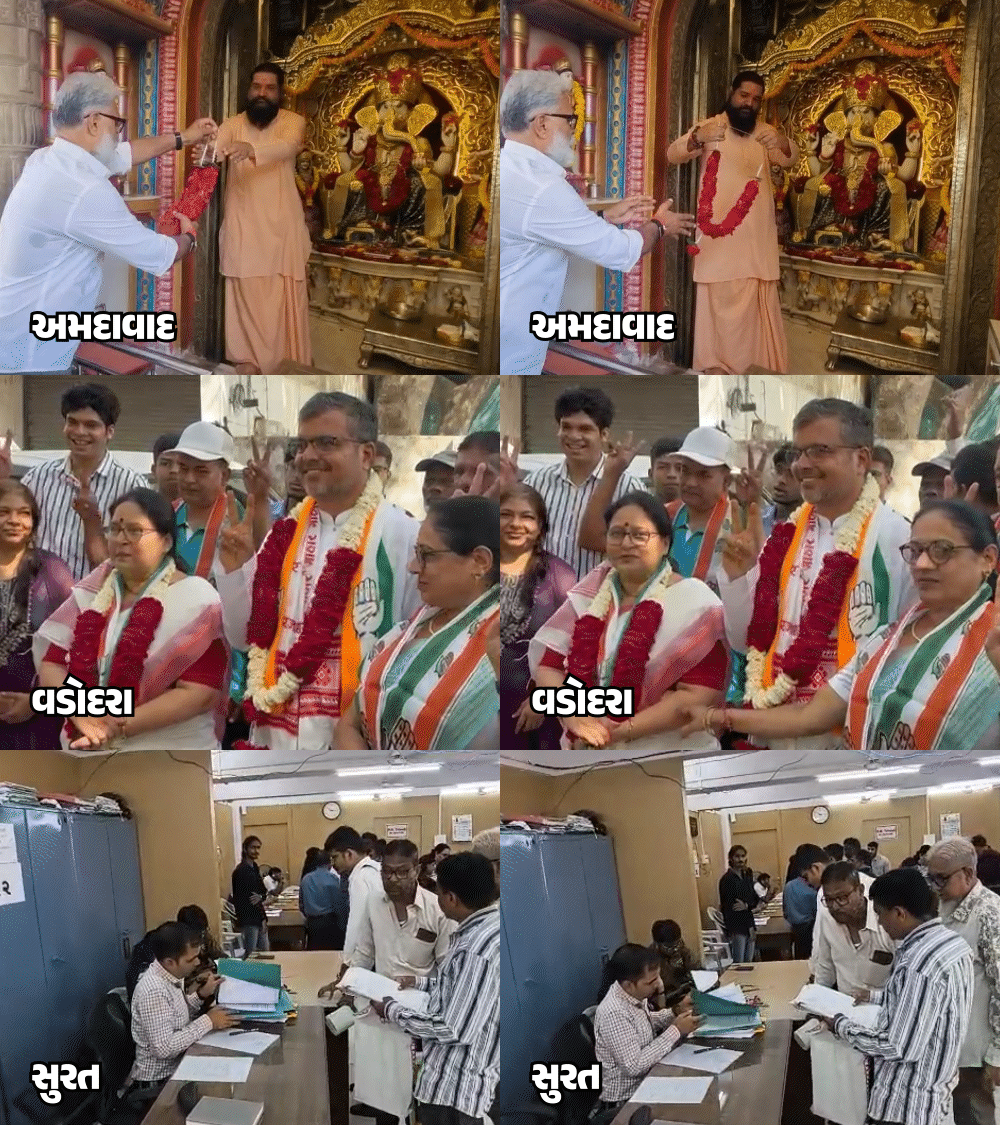
Today marks the final deadline for candidates to submit their nomination papers for the upcoming local body elections in Gujarat. Major cities including Ahmedabad, Vadodara, and Surat are seeing a massive wave of activity as political hopefuls rush to government offices. Many candidates arrived with large groups of supporters, using music and traditional drums to show their strength. This final day is critical as parties finalize their lists and resolve internal disagreements over who will represent them.
Main Impact
The rush to file nominations has created a high-energy environment across the state. The most significant impact is seen within the major political parties, where last-minute decisions are being made to avoid internal conflict. In Ahmedabad, the Congress party has decided to give direct orders, known as mandates, to candidates in several areas to prevent public protests or infighting. Meanwhile, the BJP has taken a bold step by replacing a large majority of its previous representatives with new faces.
Key Details
What Happened
Government offices opened at 10:00 AM today to accept the final round of nomination forms. Candidates from various parties turned the filing process into a public display of support. In Ahmedabad, the Congress party waited until the very last moment to announce its full list of names. Because of disagreements and pressure from local leaders, the party chose not to release names for 14 specific wards publicly. Instead, they are handing the official party symbols directly to the chosen individuals to ensure they can file their papers before the deadline passes.
Important Numbers and Facts
The scale of these elections is massive, involving 15 municipal corporations and various other local bodies. The BJP has announced a total of 9,500 candidates across the state. In a surprising move, the party has dropped nearly 80% of its sitting members or well-known senior leaders to make room for new people. In Ahmedabad, the Congress party has 48 wards to cover. So far, they have only officially named candidates for 34 of those wards. The remaining 14 wards, which include areas like Dariyapur, Jamalpur, and Maninagar, remain under heavy discussion due to local political pressure.
Background and Context
Local body elections are often called the "grassroots" of democracy because these officials manage daily city services like water, roads, and waste management. This year, the selection process has been unusually tense. Parties are trying to balance the demands of powerful local leaders with the need to present fresh faces to the voters. The delay in announcing names is a common tactic used to prevent unhappy members from leaving the party or joining a rival group before the filing window closes. By waiting until the final hours, party leaders hope to maintain discipline and focus on the election ahead.
Public or Industry Reaction
The atmosphere on the streets is one of excitement and celebration among supporters. However, behind the scenes, there is significant tension. Many long-time politicians who were denied a chance to run are expressing their disappointment. In some wards, local workers have protested against the names chosen by party high commands. The decision by the BJP to cut 80% of its old guard has sent a strong message that the party wants to move in a new direction, which has received mixed reactions from veteran members and the general public.
What This Means Going Forward
Once the clock strikes the deadline today, the focus will shift from paperwork to active campaigning. The next few weeks will see intense door-to-door visits and public rallies. For the Congress party, the success of their "direct mandate" strategy in the 14 disputed wards will be tested. They need to ensure that their chosen candidates can unite the local workers quickly. For the BJP, the challenge will be to see if their new and less-experienced candidates can win over voters who were used to seeing familiar faces. The results of these local contests will likely set the tone for larger state-level politics in the coming years.
Final Take
The final day of nominations has shown that local elections remain a high-stakes battle for influence in Gujarat. With parties making drastic changes to their candidate lists and using strategic delays to manage internal politics, the stage is now set for a very competitive election season. The shift toward new faces suggests that both major parties are aware of a changing public mood and are trying to adapt their strategies to stay relevant to modern voters.
Frequently Asked Questions
Why are candidates using drums and rallies to file papers?
Candidates use music, drums, and large crowds to show their popularity and strength to both the public and their political rivals. It is a traditional way to build excitement for the start of their campaign.
What is a "direct mandate" in these elections?
A direct mandate is when a party gives the official nomination letter directly to a candidate without making a public announcement first. This is often done to prevent internal protests or to stop rivals from reacting to the choice too early.
Why did the BJP drop 80% of its previous candidates?
The party likely chose to drop a large number of senior leaders to bring in fresh faces and reduce the impact of any public dissatisfaction with current officials. It is a strategy to show voters that the party is renewing itself.



