
Summary
Local body elections in Gujarat were marked by sadness today as two people died from heart attacks during the voting process. The state is currently holding elections for thousands of seats across various local government levels. While the voting process continued, extreme heat and technical issues created challenges for both voters and officials. These incidents have raised concerns about the safety of citizens and staff working in high temperatures.
Main Impact
The most significant impact of the day was the loss of life linked to the severe weather conditions. With temperatures rising as high as 44 degrees Celsius, the physical strain on individuals became a serious issue. A voter in Patan and a government worker in Anand both lost their lives after suffering heart attacks at polling stations. This has cast a shadow over the election, which is a major event for the state's local democracy.
Key Details
What Happened
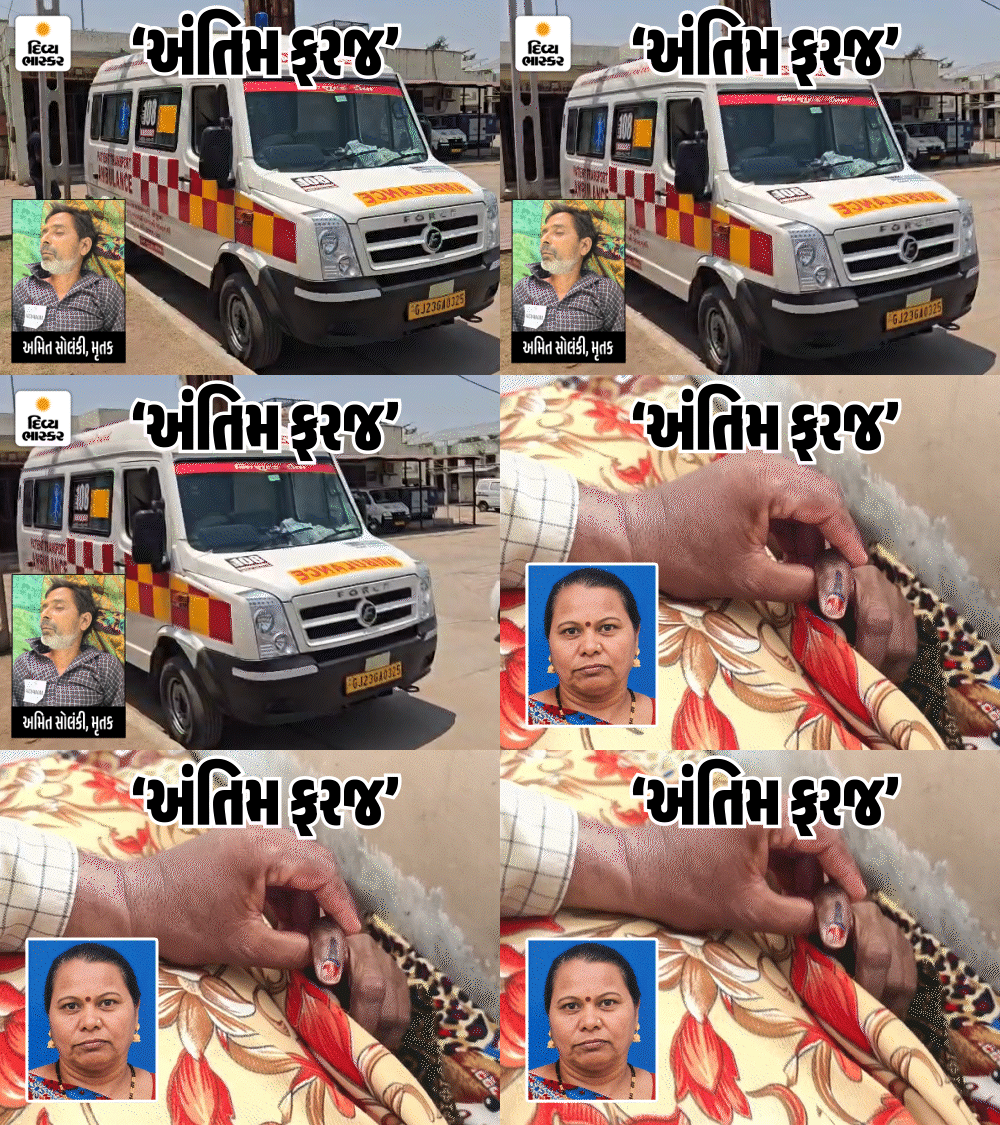
In Patan, a woman named Kamlaben Anilbhai went to the BM High School to cast her vote. After she finished voting and was walking out of the building, she suddenly felt very unwell and collapsed. People nearby called for an ambulance, and she was taken to Janta Hospital. Unfortunately, she died while receiving treatment. In a separate incident in the Anand district, a staff member named Amitbhai Vithalbhai Solanki died while on duty. He was working as a peon at a polling booth in Sansej village. He collapsed suddenly and was rushed to a government hospital in Tarapur, where doctors declared him dead.
Important Numbers and Facts
The elections are being held for a massive number of positions across Gujarat. There are more than 25,000 candidates competing for 10,000 seats. The voting is taking place in 15 municipal corporations, 34 district panchayats, 260 taluka panchayats, and 84 municipalities. Voting began at 7 AM and is scheduled to end at 6 PM. The weather has been a major factor, with the sun pushing temperatures up to 44 degrees Celsius in many parts of the state.
Background and Context
Local body elections are very important because they decide who will manage basic services like water, roads, and schools in cities and villages. Usually, these elections are held at different times for different types of local groups. However, this year, the government decided to hold all of them on the same day. This makes it a very big task for the election commission and the police. The timing of the election in the middle of summer has also made it difficult. High heat can be dangerous, especially for the elderly and those working long hours outdoors.
Public or Industry Reaction
Despite the tragic news and the boiling heat, many people showed great spirit. In Gondal, a groom decided to vote at a girls' school before heading to his own wedding procession. In Surendranagar, a 100-year-old woman reached the polling booth to cast her vote, showing her commitment to the democratic process. However, there were also complaints. In Jamnagar, voting was delayed by an hour because the electronic voting machines (EVMs) were not working properly. In Bharuch, the power went out at a polling station, forcing people to vote using the light from candles. Political parties have been busy trying to help voters reach the booths safely despite the heat.
What This Means Going Forward
These events show that weather planning is just as important as security planning during elections. In the future, authorities may need to provide better cooling facilities, more water, and medical teams at every polling station. The technical failures with EVMs also suggest that better testing is needed before the voting starts. For the families of those who died, this is a personal tragedy that happened while they were performing their civic duties. The government may face questions about why more was not done to protect people from the extreme heat.
Final Take
The local elections in Gujarat show both the strength and the struggles of the democratic system. While the high turnout and the stories of dedicated voters are inspiring, the loss of life is a reminder of the risks involved in large-scale public events during extreme weather. Moving forward, the focus must remain on making the voting process safe and accessible for every citizen, regardless of the conditions outside.
Frequently Asked Questions
Why did people die during the Gujarat elections?
Two people died after suffering heart attacks at polling stations. One was a voter in Patan, and the other was a government staff member in Anand. The extreme heat, reaching 44 degrees Celsius, is believed to have contributed to these health emergencies.
What were the technical issues reported during the voting?
In Jamnagar, voting was delayed by one hour because the electronic voting machines (EVMs) failed to work. In Bharuch, a power cut forced officials to conduct the voting process using candlelight.
How many seats are being contested in this election?
There are 10,000 seats across various local bodies, including municipal corporations, district panchayats, and municipalities. More than 25,000 candidates are participating in the election.



