
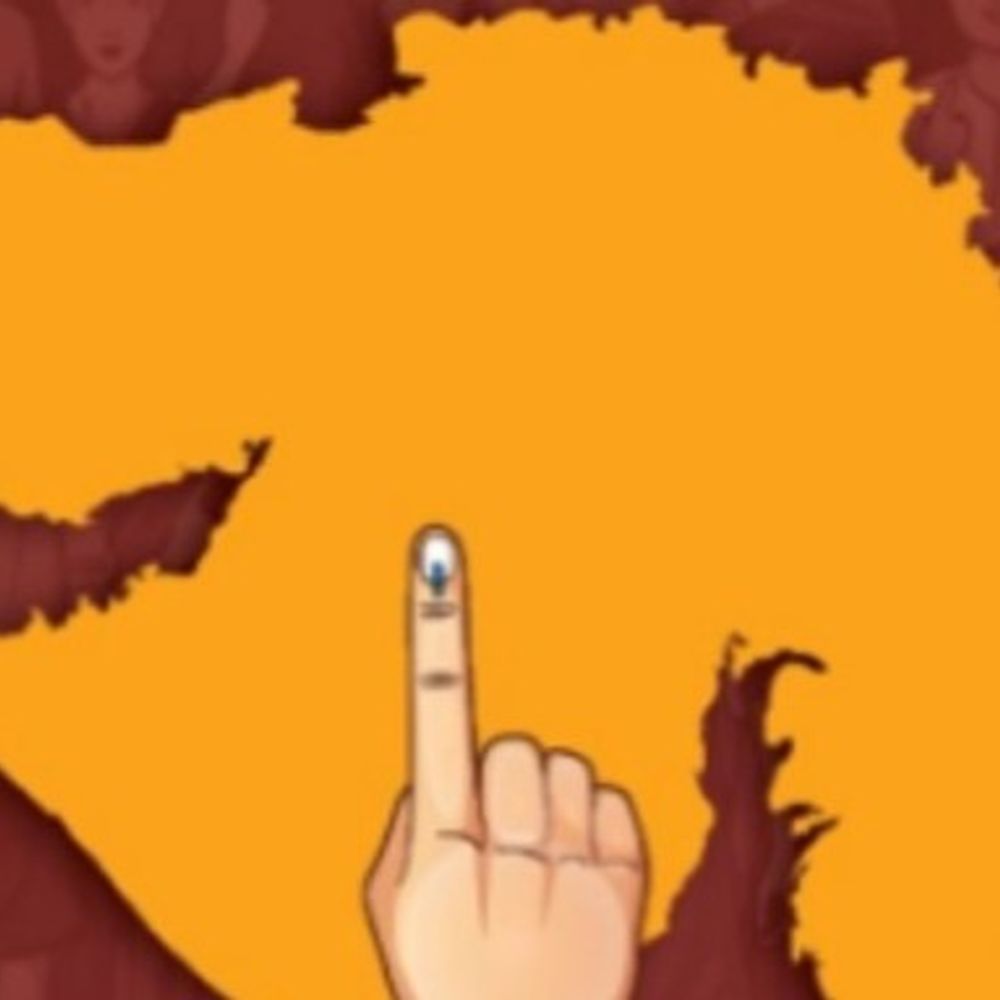
Summary
The loud and busy election campaign for local government seats in Gujarat is coming to an end this evening. According to official rules, all public campaigning must stop 48 hours before the voting begins. This means candidates can no longer use loudspeakers, hold large rallies, or organize big public meetings. Instead, political parties will now focus on small, private meetings to talk to voters directly before the election on April 26.
Main Impact
The end of public campaigning marks a major shift in how political parties work. While the streets will become quiet, the work behind the scenes will get much faster. Candidates are moving away from big stages and moving into neighborhoods. This "silence period" is designed to give voters a calm environment to make their final choice without being disturbed by loud music or constant speeches. However, it also puts the police and election officials on high alert to prevent any illegal activities or rule-breaking during these final hours.
Key Details
What Happened
As the sun sets today, the official noise of the election will stop. The Election Commission has strict rules that forbid any form of public display or loud promotion in the two days leading up to the vote. This period is often called the "cooling-off" time. Candidates who have spent weeks traveling across their districts must now stay away from microphones. Any person found using a loudspeaker or holding a parade after the deadline could face legal trouble. This rule applies to both urban cities and small rural villages across the state.
Important Numbers and Facts
The voting process is scheduled to start on the morning of April 26. To prepare for this, the local government has set up thousands of polling stations. Security teams, including the local police and special flying squads, have been deployed to watch every area. These teams are looking for any signs of money or gifts being given to voters, which is strictly against the law. Electronic Voting Machines (EVMs) are currently being moved from safe storage rooms to the actual voting locations under heavy guard to ensure they are not tampered with.
Background and Context
Local government elections are very important because they decide who will manage basic services like water, roads, and schools in local communities. In Gujarat, these elections are always fought with great energy. Because the public noise has to stop, parties use traditional methods to reach people. They use "Khatla meetings" (sitting on traditional cots in villages) and "Otla meetings" (sitting on the porches of houses) to have quiet, personal talks with families. This helps them build a stronger connection with voters than a loud speech on a stage ever could.
Public or Industry Reaction
Local residents are feeling a mix of relief and excitement. Many people are happy that the loud speakers will finally stop, especially students and elderly citizens. However, there is also a lot of talk about the weather. Weather experts have predicted very high temperatures for the day of the election. This has caused some concern about whether people will want to stand in long lines under the hot sun. To help with this, many local groups and the government are planning to provide shade and water at the voting centers to make sure everyone stays safe while they vote.
What This Means Going Forward
The next 48 hours are the most critical for the election officials. They must ensure that the "Model Code of Conduct" is followed perfectly. This means no one should be intimidated or forced to vote for a specific person. The police will be patrolling the streets constantly to stop any groups from gathering illegally. For the political parties, the focus is now on "voter turnout." They want to make sure that their supporters actually show up at the booths on the 26th, even if it is very hot outside. The success of each candidate now depends on these small, private conversations happening tonight and tomorrow.
Final Take
The transition from loud rallies to quiet, door-to-door visits shows how much every single vote matters in a local election. While the microphones have been turned off, the energy remains high. The true test will come on April 26, when the citizens of Gujarat step out to cast their ballots. The combination of strict police watch and the personal efforts of candidates will determine how smoothly the voting day goes. It is now up to the people to decide who will lead their local government for the coming years.
Frequently Asked Questions
Why does the election campaign have to stop 48 hours early?
The 48-hour rule is meant to give voters a quiet time to think about their choice without being influenced by loud advertisements or big rallies. It also helps the police maintain order before the voting day.
What are Khatla and Otla meetings?
These are traditional, small-group meetings. A Khatla meeting happens around a wooden cot, usually in a village, while an Otla meeting happens on the front porch of a home. They are used for personal, face-to-face campaigning.
What happens if a candidate continues to campaign after the deadline?
If a candidate or party breaks the rules by using loudspeakers or holding rallies during the silence period, they can be punished by the Election Commission. This can include fines or even being disqualified from the election.



