
Summary
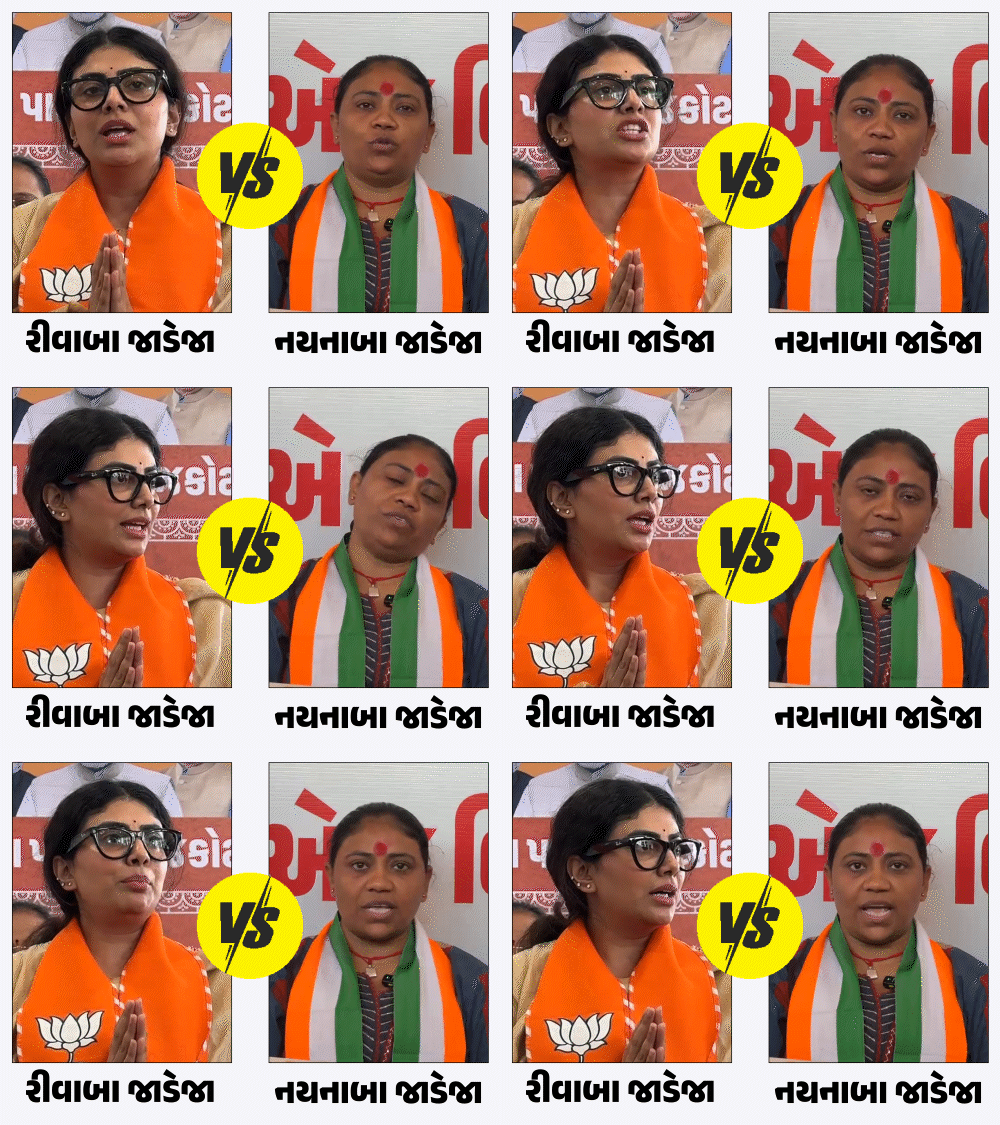
Political tension is rising in Gujarat as the election date approaches. In Rajkot, family members Rivaba Jadeja and Naynaba are facing off with different political views, though they remain polite to each other. Meanwhile, in Ahmedabad, voters are showing their anger toward candidates from both the BJP and Congress. Local residents have chased away some campaigners over a lack of basic services, while internal party fights have led to protests against top leaders.
Main Impact
The current political situation shows a clear gap between what leaders say and what voters feel on the ground. While high-profile figures like Rivaba Jadeja express total confidence in a big win, local citizens in areas like India Colony are more concerned about their daily needs. This shift suggests that voters are becoming more vocal about their problems, such as water and roads, rather than just following party lines. The protests against both major parties indicate that the upcoming election results might be more unpredictable than expected.
Key Details
What Happened
In Rajkot, BJP leader Rivaba Jadeja spoke about the upcoming polls. She offered her best wishes to her sister-in-law, Naynaba, who is campaigning for the Congress party. Despite the family connection, Rivaba stated that the BJP would give a "crushing reply" to the opposition. Naynaba thanked her for the wishes but noted that the true result would only be clear once the votes are counted. This family rivalry has caught the attention of many people across the state.
In Ahmedabad, the situation was more intense. BJP candidates visiting the India Colony ward were forced to leave by angry residents. The locals claimed they have not received basic facilities and felt ignored by their representatives. In another part of the city, Congress star campaigner Jignesh Mevani faced black flags and loud protests from his own party's local workers. This happened during a rally in the Saraspur-Rakhial area, where internal disagreements over who got tickets to run for office caused a major disturbance.
Important Numbers and Facts
The election is set to take place on April 26. This is the day when voters will cast their ballots to decide the future of their local government. The results of this voting process will be officially announced on April 28. These two dates are the most important milestones for all candidates involved. In Ahmedabad, the police had to be called in large numbers to manage the crowds during Jignesh Mevani’s rally to prevent the situation from turning into a physical fight between different groups of supporters.
Background and Context
To understand why these events are happening, it is important to look at the local issues in Gujarat's cities. Ahmedabad is a large city where many people feel that development is not reaching every neighborhood equally. When leaders talk about big projects, residents in older or less developed wards often feel left out. This is why people in India Colony reacted so strongly when candidates came to ask for votes.
The mention of "Chandola Lake" by BJP MLA Amit Thaker also adds context. He used the lake as a symbol of poor living conditions. He told voters that they have a choice between "Gardens," which represents the BJP's plan for development, and "Chandola," which he used to describe the opposition's style. This kind of talk is common during elections as parties try to show they are the better choice for the city's future.
Public or Industry Reaction
The reaction from the public has been mixed. While some people still strongly support their chosen parties, many others are showing "voter fatigue." The act of waving black flags at Jignesh Mevani shows that even popular leaders are not safe from the anger of their own party workers if they feel the selection process was unfair. On the other hand, the polite exchange between Rivaba and Naynaba shows that some political figures are trying to keep a level of respect despite their different goals. However, the most significant reaction remains the anger of the common people who feel their basic needs for water, drainage, and clean roads are not being met.
What This Means Going Forward
As the April 26 voting day gets closer, both parties will likely increase their efforts to win over angry voters. The BJP will need to address the complaints about basic services in Ahmedabad to avoid more embarrassing scenes where candidates are chased away. For the Congress, the main challenge will be fixing internal fights. If local workers continue to protest against their own leaders, it could hurt their chances of winning seats. The next few days will be filled with more rallies, but the real test will be whether the candidates can convince the public that they will actually solve local problems after the election is over.
Final Take
This election season in Gujarat is proving to be about more than just party names. It is a test of how well leaders listen to the people they represent. While family members like Rivaba and Naynaba provide an interesting story for the news, the real story is the rising voice of the common citizen. Whether it is through black flags or chasing candidates out of a neighborhood, the message from the voters is clear: they want results, not just promises. The final answer will come when the boxes are opened on April 28.
Frequently Asked Questions
When will the election results be announced?
The voting will happen on April 26, and the official results are expected to be released on April 28.
Why did people protest against BJP candidates in Ahmedabad?
Residents in the India Colony ward were angry because they felt they had not received basic facilities and services from the local government.
Who is Jignesh Mevani and why was he protested?
Jignesh Mevani is a star campaigner for the Congress party. He faced protests and black flags from local party workers who were unhappy with how election tickets were distributed in their area.



