
Summary
Forest officials in Gudalur have started a special drive to remove ripe jackfruits from trees located near human settlements. This move is part of a larger plan to prevent wild elephants from entering residential areas and farms. By taking away a major food source that attracts these large animals, the department hopes to lower the number of dangerous encounters between people and wildlife. This proactive step is seen as a vital way to protect both the local community and the elephant population during the peak fruiting season.
Main Impact
The primary impact of this action is a noticeable drop in elephant sightings within village limits. When jackfruits ripen, they give off a very strong and sweet smell that can be detected by elephants from several kilometers away. By harvesting these fruits before they become too soft and fragrant, the forest department is effectively "hiding" the villages from the elephants' radar. This reduces the risk of property damage, such as broken fences and destroyed homes, which often happens when elephants try to reach the fruit.
Key Details
What Happened
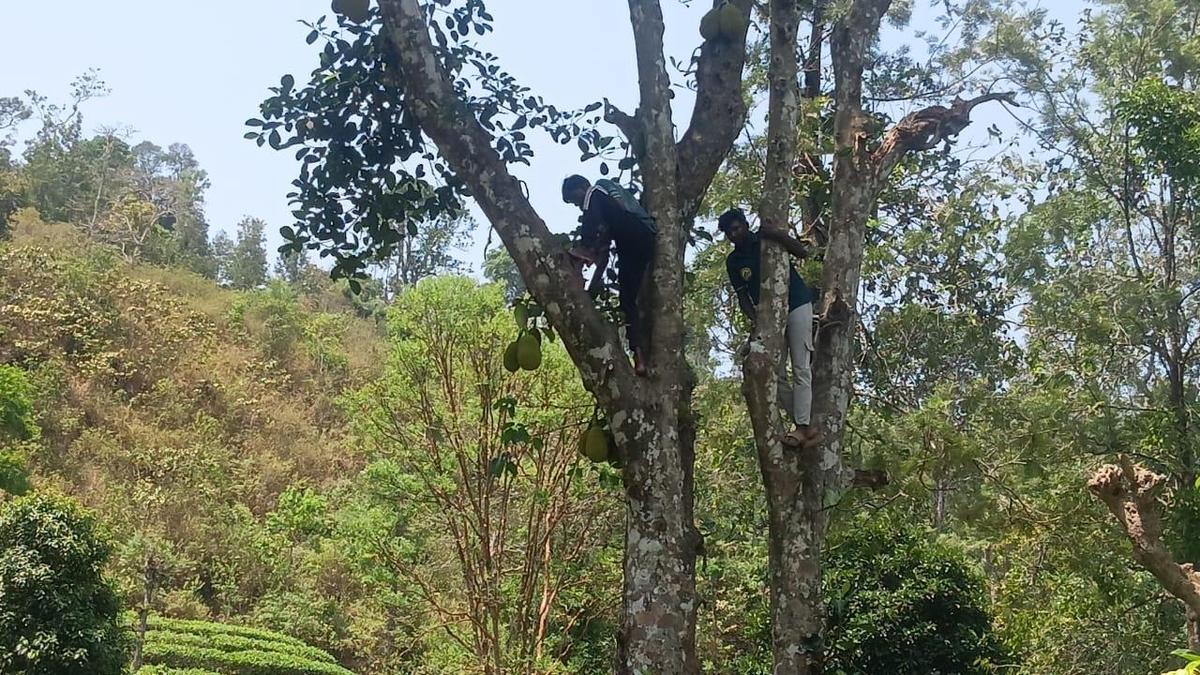
In the Gudalur region, which sits on the edge of thick forest zones, many residents have jackfruit trees in their backyards or on their small farms. As the weather warms up, these fruits begin to ripen. To prevent trouble, forest guards and rapid response teams have been visiting these properties. They use long bamboo poles and safety gear to pluck the heavy fruits from the branches. Once collected, the fruits are often moved deeper into the forest or disposed of in a way that does not draw animals toward houses.
Important Numbers and Facts
Gudalur is a key part of the Nilgiris district, which is home to hundreds of Asian elephants. During the summer and early monsoon months, the number of "human-elephant conflicts" usually rises. Statistics show that a large percentage of these incidents occur because of seasonal fruits like jackfruit and mango. The forest department has identified several "hotspots" where trees are most likely to cause problems. Teams are now working daily to clear these areas, focusing on trees that stand within 50 to 100 meters of homes.
Background and Context
The relationship between humans and elephants in Gudalur is complex. The area is a natural path for elephants moving between different parts of the forest. Over time, more houses and farms have been built along these paths. Elephants are highly intelligent and have excellent memories; they know exactly where the fruit trees are located and return to them every year. While jackfruit is a healthy snack for an elephant, the process of getting to the fruit often leads to accidental run-ins with people. In the past, these encounters have led to injuries for both humans and animals. This is why the forest department believes that managing the food supply is just as important as building fences.
Public or Industry Reaction
Local residents have mostly welcomed the help from the forest department. Many families feel safer knowing that the main reason elephants visit their gardens has been removed. However, some farmers who rely on selling jackfruits for extra money have expressed concerns about their lost income. In response, officials are talking to the community about planting different types of trees that do not attract wildlife. Conservationists have praised the move, noting that it is much better to prevent an elephant from entering a village than to try and chase it out once it is already there. Chasing elephants can be stressful for the animals and dangerous for the guards.
What This Means Going Forward
This seasonal fruit removal is a short-term fix for a long-term problem. Moving forward, the forest department plans to map every major fruit-bearing tree near the forest boundary. There is also a push to encourage "early harvesting," where owners pick the fruit while it is still green and use it for cooking instead of letting it ripen on the tree. If this program continues to be successful, it could serve as a model for other regions in India that face similar wildlife challenges. The goal is to create a buffer zone where elephants feel no need to cross into human territory.
Final Take
Keeping the peace between humans and wild animals requires constant effort and simple, practical solutions. By focusing on something as basic as a piece of fruit, the Gudalur forest department is showing that high-tech tools are not always the only answer. Taking away the "bait" is a kind and effective way to ensure that elephants stay in the forest where they belong, and people can live in their homes without fear. It is a clear example of how small changes in how we manage our environment can prevent big problems.
Frequently Asked Questions
Why do elephants like jackfruit so much?
Jackfruit is very sweet and provides a lot of energy and water for elephants. Its strong smell makes it very easy for them to find, even from a long distance away.
Does removing the fruit hurt the elephants?
No, it does not hurt them. There is plenty of natural food for elephants inside the forest. Removing the fruit near homes simply encourages them to stay away from dangerous human areas.
What else can people do to keep elephants away?
Besides removing ripe fruit, people are advised to keep their surroundings well-lit at night and avoid keeping food waste or salt outside, as these also attract wild animals.



