
Summary
Top business leaders from the United States recently gathered in the United Kingdom to discuss the future of green energy and climate change. Despite a shifting political climate in Washington, CEOs from major firms like Bank of America and State Street are continuing to support the Sustainable Markets Initiative. This group, started by King Charles III, aims to move the global economy away from fossil fuels and toward renewable energy sources. These executives believe that the private sector must lead this change because businesses have the money and the technology to make it happen.
Main Impact
The most significant impact of this meeting is the clear message that big business is not waiting for government direction to pursue environmental goals. Even as some politicians label climate initiatives as unnecessary, the leaders of the world's largest financial institutions see sustainability as a financial necessity. They are focusing on the "green economy" not just for the environment, but because it represents a massive financial opportunity. By staying committed to these goals, these companies are signaling to the global market that the transition to clean energy is a permanent shift driven by profit and risk management.
Key Details
What Happened
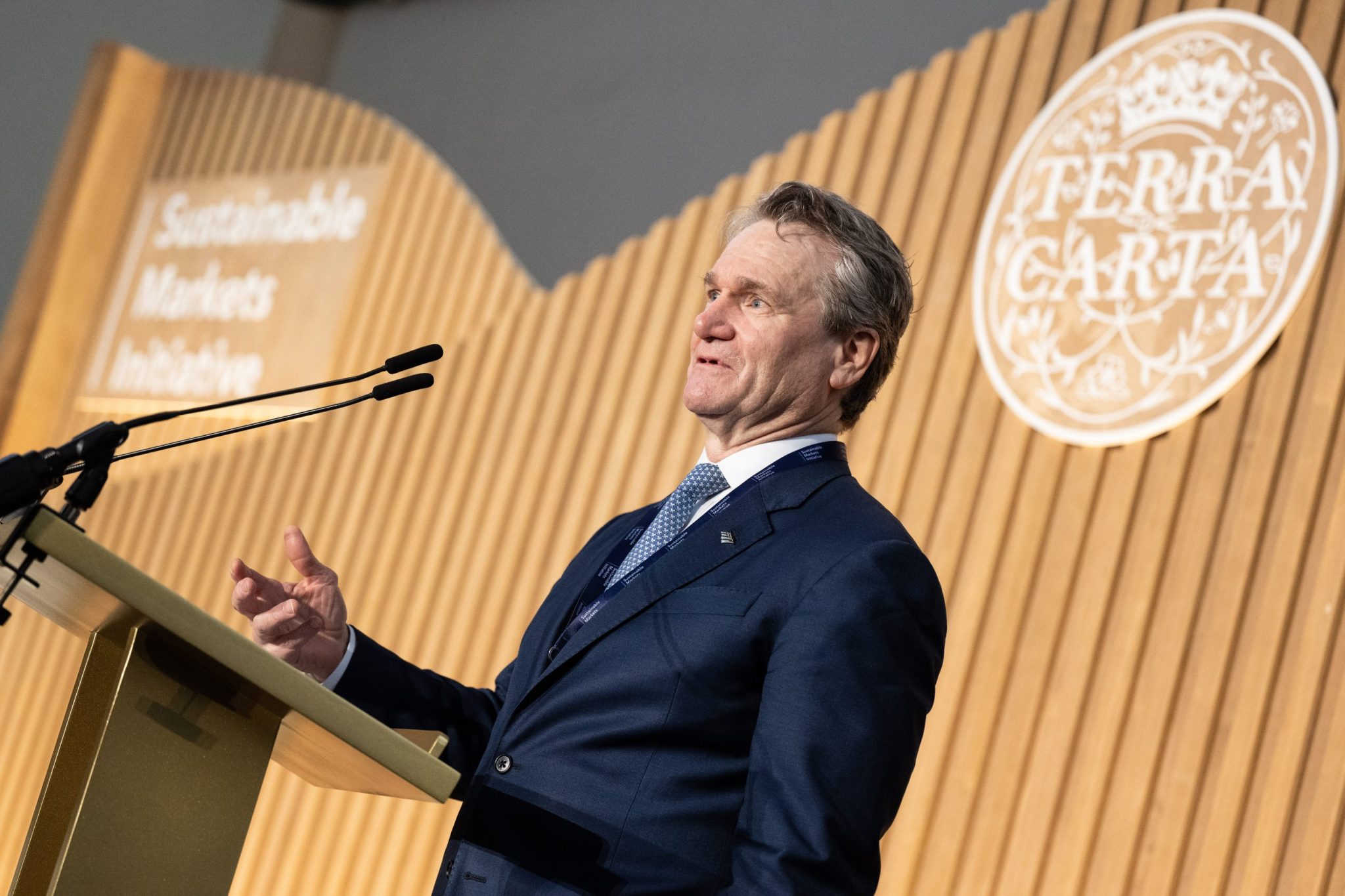
The meeting took place at Hampton Court Palace, a historic site near London. Brian Moynihan of Bank of America, Ron O’Hanley of State Street, and Janet Truncale of EY met to discuss how the private sector can speed up the move to renewable energy. The event was part of the Sustainable Markets Initiative (SMI), which was founded by King Charles III in 2020 when he was still the Prince of Wales. The King himself attended the event to show his support for the ongoing work of these business leaders.
Important Numbers and Facts
The financial stakes for this transition are very high. Experts at the meeting noted that the green economy is expected to be worth $7 trillion by the year 2030. While some major banks like Bank of America, JP Morgan, and Citi left the United Nations’ Net Zero Banking Alliance in 2025, they have not stopped their work on energy projects. Instead, they are focusing on direct investments and helping their customers navigate the changing energy market. Additionally, the cost of wind and solar power has dropped so much that they are now among the cheapest forms of energy available, regardless of government subsidies.
Background and Context
The Sustainable Markets Initiative was created to bridge the gap between government promises and actual business action. King Charles III has long been a supporter of environmental causes, and he used his position to bring together a "volunteer army" of CEOs. These leaders argue that while governments can set rules, only the private sector has the innovation and the cash to build new energy systems. This movement comes at a time when the U.S. government has pulled back from international climate agreements, creating a period of uncertainty for many global companies.
Public or Industry Reaction
The reaction to these corporate climate efforts is mixed. In the United States, some political leaders have criticized banks for their focus on sustainability, calling it a "green scam." There have even been accusations that banks are refusing to work with conservative groups, though the banks deny this. However, within the industry, the mood is different. Leaders like Janet Truncale from EY argue that sustainability is now a core part of keeping a company strong. They believe that ignoring climate change is a major risk to supply chains and physical assets. For these leaders, the move to green energy is about protecting their value and finding new ways to grow.
What This Means Going Forward
Going forward, the drive for renewable energy will likely be fueled by economics rather than just politics. A key example mentioned by industry leaders is Texas. Although Texas is known as a center for the oil and gas industry, it is also a leader in renewable energy. This is because wind and solar have become the most cost-effective options for the state. As technology continues to improve and costs continue to fall, more companies will likely switch to renewables to save money. Furthermore, global instability and rising oil prices are making many countries want to produce their own clean energy at home to ensure a steady supply of electricity.
Final Take
The commitment shown by U.S. CEOs at Hampton Court suggests that the transition to a sustainable economy is no longer just a political debate. It has become a fundamental part of how large corporations plan for the future. While political winds may change, the financial reality of a $7 trillion green market is too large for the private sector to ignore. These companies are moving forward because they see sustainability as the best way to manage risk and ensure long-term growth in an unpredictable world.
Frequently Asked Questions
What is the Sustainable Markets Initiative?
It is a group started by King Charles III in 2020 that brings together CEOs and investors to speed up the global transition to sustainable business practices and renewable energy.
Why are U.S. banks still focusing on climate change?
Banks see sustainability as a way to protect their businesses from risks like extreme weather and as a massive opportunity to invest in the growing $7 trillion green economy.
Is the move to renewable energy only about the environment?
No, it is also about money. In many places, wind and solar power are now the cheapest forms of energy, making them the most logical choice for businesses looking to cut costs.



