Summary
Scientists have long debated how the Grand Canyon was formed. For a long time, most people believed the Colorado River slowly cut through the rock over millions of years. However, a new study suggests a much more dramatic start for this famous landmark. Researchers now believe a massive, "lost" ancient lake may have overflowed, sending a huge wall of water across the land. This sudden flood could have carved out large parts of the canyon much faster than anyone previously thought.
Main Impact
This new theory changes how we understand the history of the Earth. If the Grand Canyon was formed by a sudden lake flood rather than slow erosion, it means the natural world can change very quickly. This discovery shifts the focus from slow, steady changes to big, sudden events. It also helps experts explain why certain parts of the canyon look the way they do. The impact of this study reaches beyond just one park; it helps scientists understand how water shapes planets across the universe.
Key Details
What Happened
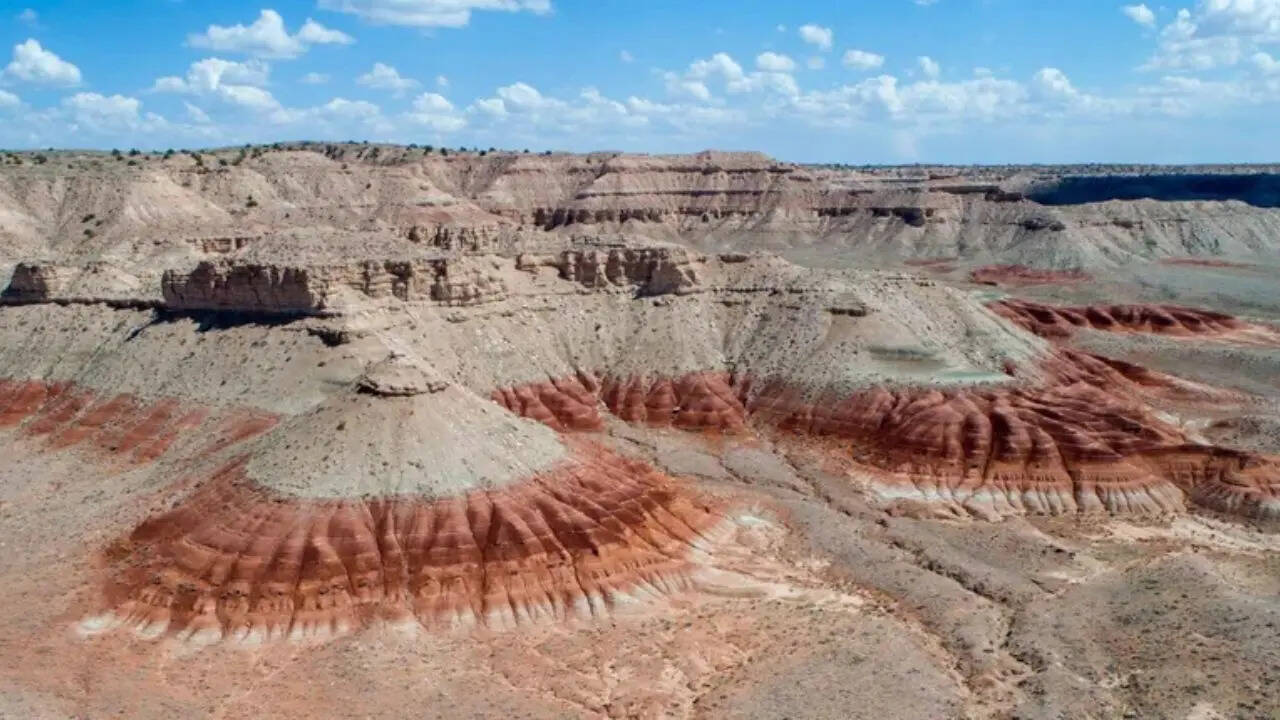
The study focuses on a body of water known as Lake Bidahochi. This lake once sat in an area that is now part of Arizona and New Mexico. According to the new research, the lake became too full and eventually broke through its natural borders. When the water broke free, it rushed toward the sea with incredible force. This moving water acted like a giant saw, cutting deep into the stone and creating the massive gaps we see today. Instead of taking tens of millions of years, this specific event might have happened in a much shorter window of time.
Important Numbers and Facts
The Grand Canyon is one of the biggest holes in the ground on Earth. It is about 277 miles long and can be up to 18 miles wide in some spots. In many places, the canyon is over a mile deep. The study suggests that the big lake overflow happened roughly 5 to 6 million years ago. Before this, the area was likely a high flat land with several smaller lakes. The sudden release of water from Lake Bidahochi would have carried millions of tons of rock and dirt away, leaving the deep canyon behind.
Background and Context
To understand why this is a big deal, we have to look at the old way of thinking. For decades, the "slow and steady" theory was the most popular. This theory said the Colorado River began flowing and slowly wore down the rock layers one by one. While this explains some parts of the canyon, it does not explain everything. Some sections of the canyon are much wider or deeper than a small river should be able to make. By looking at the "lost lake" theory, scientists can fill in the missing pieces of the puzzle. It shows that the Earth's history is a mix of slow changes and sudden, powerful moments.
Public or Industry Reaction
The scientific community is very interested in these findings, though not everyone agrees yet. Some geologists, who study rocks and the Earth, still think the river did most of the work. They argue that while a flood might have helped, the river was the main tool. On the other hand, many younger researchers are excited about the lake theory. They believe it matches the physical evidence found in the soil and rock layers better. People who visit the park are also curious, as this new story makes the canyon's history feel even more exciting and powerful.
What This Means Going Forward
This study will lead to more research in the area. Scientists will now look for more signs of ancient shorelines and lake beds. They want to map out exactly how big Lake Bidahochi was and where the water went when it spilled over. This information is also useful for understanding modern risks. By knowing how ancient floods changed the land, experts can better predict how large bodies of water might behave today. It also means that science books might need to be updated to include this new "lake spillover" theory alongside the traditional river story.
Final Take
The Grand Canyon is a place that still holds many secrets. This new study reminds us that even the most famous places on Earth can still surprise us. Whether it was a slow river or a giant ancient lake, the result is a natural wonder that people will study for centuries to come. The story of the canyon is still being written as we find new clues hidden in the stone.
Frequently Asked Questions
What is the new theory about the Grand Canyon?
The new theory suggests that a massive ancient lake called Lake Bidahochi overflowed and caused a giant flood. This flood carved out parts of the canyon much faster than a slow-moving river would have.
How old is the Grand Canyon?
Most scientists believe the canyon began to form about 5 to 6 million years ago. However, some of the rocks at the bottom of the canyon are nearly 2 billion years old.
Does this mean the Colorado River didn't carve the canyon?
The Colorado River still played a major role. The new theory suggests that the river and the ancient lake flood worked together. The flood might have started the deep cutting, and the river continued the work over time.