
Summary
The Indian government has launched a new communication strategy to address the fallout from a recent legislative setback. After a key bill faced strong opposition and was eventually stalled, the ruling party is now releasing a series of "Frequently Asked Questions" (FAQs) to the public. This move is designed to counter what officials call a "false narrative" created by the Congress party. By providing direct answers to common concerns, the government hopes to clear up confusion and regain public trust regarding its policy goals.
Main Impact
The primary impact of this move is a shift in how the government handles political conflict. Instead of only debating within the walls of Parliament, the administration is now taking the fight for public opinion directly to the citizens. This strategy shows that the government recognizes the power of social media and digital information in shaping how laws are perceived. By simplifying complex legal language into easy-to-read FAQs, they are trying to prevent the opposition from controlling the story. This could change how future bills are introduced, with more focus on public education before a vote even happens.
Key Details
What Happened
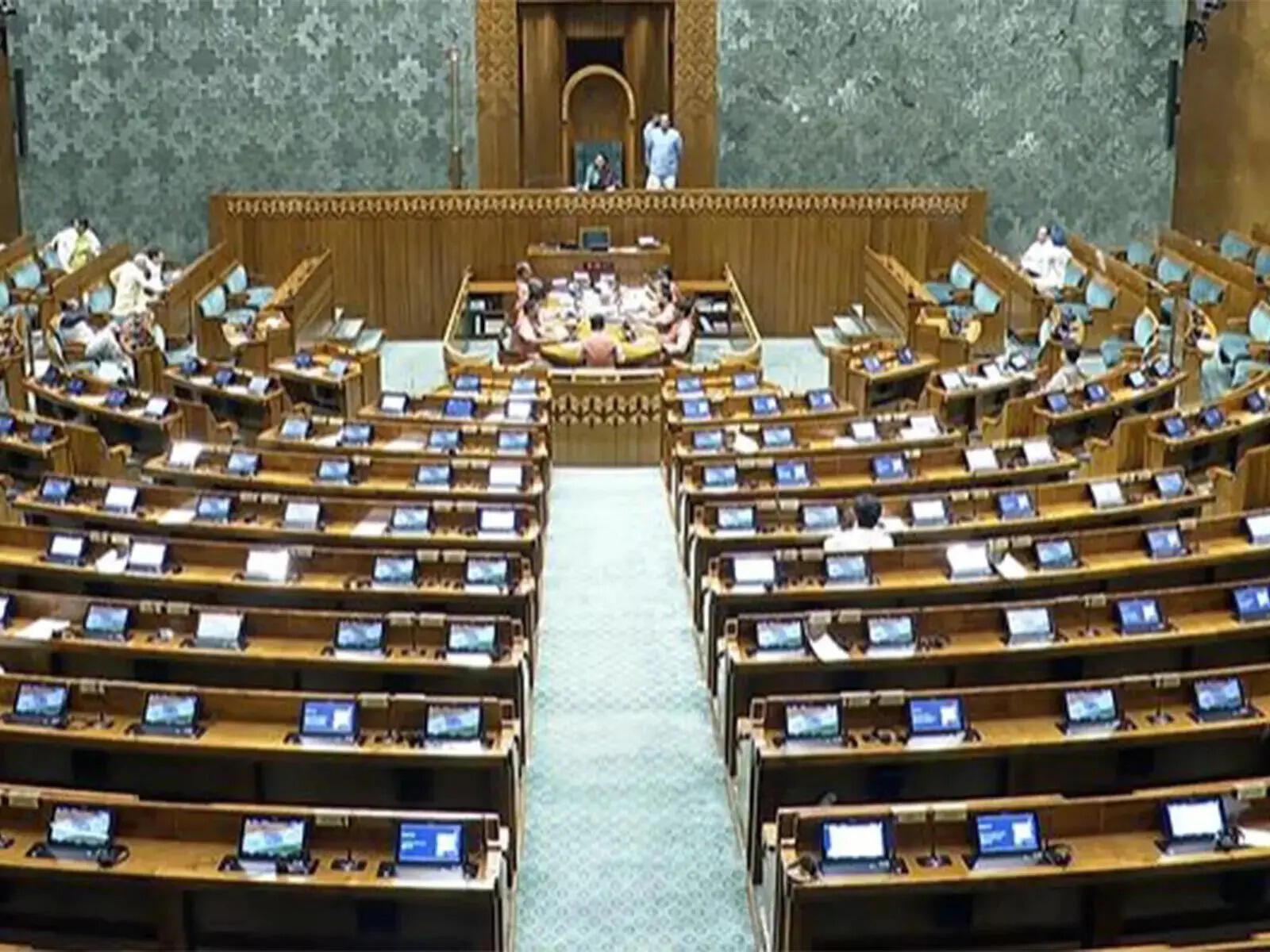
The tension began when a significant bill was introduced in the house. The Congress party and other opposition groups quickly labeled the bill as harmful to certain communities and a threat to existing rights. These claims spread quickly across news platforms and social media, leading to public protests and heated debates. Because of this intense pressure, the bill did not pass as originally planned. In response, the government decided that simply denying the claims was not enough. They have now compiled a list of the most common criticisms and provided detailed, simple explanations to prove those criticisms wrong.
Important Numbers and Facts
The government’s FAQ document addresses over a dozen specific points of contention. It clarifies that the proposed law does not take away land rights, which was a major fear spread by the opposition. Data provided in the FAQs highlights that the new rules would actually help modernize record-keeping and increase transparency. The government also pointed out that similar laws exist in other democratic countries, aiming to show that their proposal is not radical. By using facts and figures, the administration wants to move the conversation away from emotional arguments and back to the technical merits of the law.
Background and Context
In modern politics, the battle over a law often happens in the minds of the voters long before it is signed into effect. In recent years, several major government initiatives have faced delays because of widespread public worry. The government believes that the Congress party is using a specific "playbook" to stall progress by creating fear among the public. This context is important because it explains why the government is being so aggressive with its FAQ campaign. They see this not just as a debate about one bill, but as a fight against a pattern of misinformation that they believe hinders the country's growth.
Public or Industry Reaction
The reaction to the government’s FAQ release has been split. Supporters of the ruling party praise the move, saying it is about time the government spoke clearly to the people. They feel that the opposition has been allowed to spread rumors for too long without a strong response. On the other hand, Congress leaders have dismissed the FAQs as "propaganda." They argue that the government is simply trying to hide the flaws of a bad law by using clever marketing. Legal experts have noted that while the FAQs help explain the government's intent, they do not change the actual text of the bill, which is what truly matters in court.
What This Means Going Forward
Looking ahead, this situation suggests that the government will not give up on the bill. Instead, they are likely to use the feedback from this "information phase" to make small changes to the proposal before bringing it back to Parliament. We can expect to see more of these FAQ-style documents for every major policy change in the future. For the public, this means more information will be available, but it also means citizens will have to work harder to distinguish between political messaging and neutral facts. The next few months will show if this strategy can actually change public opinion or if the divide between the two parties will only grow wider.
Final Take
The decision to fight a "false narrative" with a list of FAQs shows a new level of political awareness from the government. It proves that in today's world, winning the vote in Parliament is only half the battle; winning the trust of the people is the other half. While the opposition continues to challenge the government's motives, the use of clear and simple communication is a tool that could help bridge the gap between complex laws and the people they affect. Whether this will be enough to save the defeated bill remains to be seen, but it sets a new standard for political transparency and debate.
Frequently Asked Questions
Why did the government release these FAQs?
The government released the FAQs to correct what they call misinformation spread by the opposition regarding a recently stalled bill. They want to explain the law's true purpose directly to the public.
What is the main goal of the proposed bill?
According to the government, the bill aims to improve transparency, modernize record-keeping, and ensure that certain systems are managed more efficiently and fairly.
How has the opposition responded to the FAQs?
The Congress party has called the FAQs a form of propaganda, claiming that the government is trying to cover up the negative impacts the law would have on the community.



