
Summary
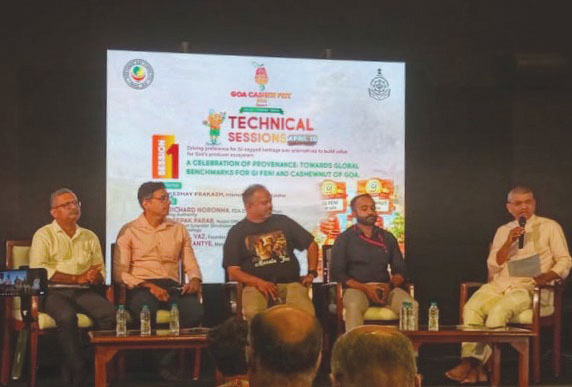
The Goa Forest Development Corporation (GFDC) recently hosted the fourth edition of its popular Cashew Festival at the Dayanand Bandodkar Grounds in Panaji. This annual event has grown quickly over the last few years, attracting a loyal group of fans who want to celebrate Goa’s most important cash crop. The festival highlights the many uses of the cashew plant, from traditional drinks to modern cooking recipes. It also serves as a platform to promote authentic Goan products and protect the local industry from outside competition.
Main Impact
The primary goal of the Cashew Festival is to build a sense of quality and pride in local Goan products. By focusing on the "Geographical Indication" (G.I.) tags, the state is making sure that consumers can tell the difference between real Goan cashews and cheaper nuts brought in from other places. This movement helps local farmers and distillers get a fair price for their hard work. It also ensures that the traditional methods of making cashew-based products, which have been part of Goan culture for centuries, are not lost to modern, low-quality factory methods.
Key Details
What Happened
The festival featured a mix of food, drink, and education. MasterChef Shubhra Sankhwalker, a well-known local artist and cook, created a special menu using different parts of the cashew. She used both the crunchy nuts and the juicy "cashew apple." While many people think the cashew apple is a fruit, it is actually a swollen part of the plant stem that holds the nut. On the drinks side, expert Hansel Vaz organized a selection of beverages. These included traditional local drinks, fresh juice mocktails, and modern cocktails made with feni, a famous Goan spirit.
Important Numbers and Facts
Goa received its first G.I. tag for feni in 2009. This tag is a special legal protection that says only spirits made in Goa using specific methods can be called "Goan Feni." The GFDC has also secured a G.I. tag for "Goan Cashew Nuts" under their own brand name, "Sylvan." In terms of farming, the Vengurla-4 is currently the most common type of cashew tree planted in the state. However, the Mavalnakar-1 variety is considered the "gold standard" for its high quality, and more farmers are starting to plant it to improve their harvests.
Background and Context
Cashews are more than just a snack in Goa; they are a vital part of the local economy and history. The process of making cashew drinks is a seasonal tradition that happens every summer. First, the nuts are removed from the cashew apples. The apples are then crushed to get the juice, which is fermented. The first round of distillation produces a light drink called urrak. Later in the season, this is distilled again to create feni. The traditional method, known as Lavnni, is considered the best way to make these drinks and is the only method that fully meets the standards of the official G.I. tag.
Public or Industry Reaction
There is a growing demand for authentic products among both locals and tourists. People are becoming more aware of the difference between real Goan cashews and "spurious" or fake products that are often imported from neighboring states or African countries and sold as local. Industry experts and the GFDC are working together to make sure that the traditional artisanal distillers are included in the official quality systems. There is also a strong push to keep cashew plantations active, as many pieces of land are being turned into housing zones, which threatens the future of the crop.
What This Means Going Forward
The GFDC plans to make authentic Goan cashews much easier to find. They are proposing to open new retail shops at government-run hotels, airports, and railway stations. This will allow travelers to buy genuine "Goa grown and processed" nuts as soon as they arrive or before they leave. To keep the industry healthy, the government is also encouraging the planting of better tree varieties. Without these organized plantations, the special G.I. tags and the plans to export Goan cashews to other countries will not be successful.
Final Take
The Cashew Festival is a vital reminder that the cashew is the backbone of Goa’s rural economy. By focusing on quality, tradition, and smart marketing, the state is ensuring that this unique crop continues to provide jobs and maintain Goan culture for many years to come. Protecting the "Goan" brand is the best way to support local farmers and keep the state's traditions alive.
Frequently Asked Questions
What is the difference between urrak and feni?
Urrak is the result of the first distillation of fermented cashew juice and is usually available in early summer. Feni is made by distilling the liquid a second time, making it much stronger and longer-lasting.
What does a G.I. tag mean for Goan cashews?
A G.I. (Geographical Indication) tag is a label that protects products coming from a specific area. It guarantees that the cashew nuts or feni were grown and made in Goa using traditional methods, ensuring high quality for the buyer.
Where can I buy authentic Goan cashew nuts?
Currently, you can buy them at the GFDC outlet in the Children’s Park in Panaji. Soon, they will also be available at major transport hubs like the airport and railway stations through the "Sylvan" brand.



