
Summary
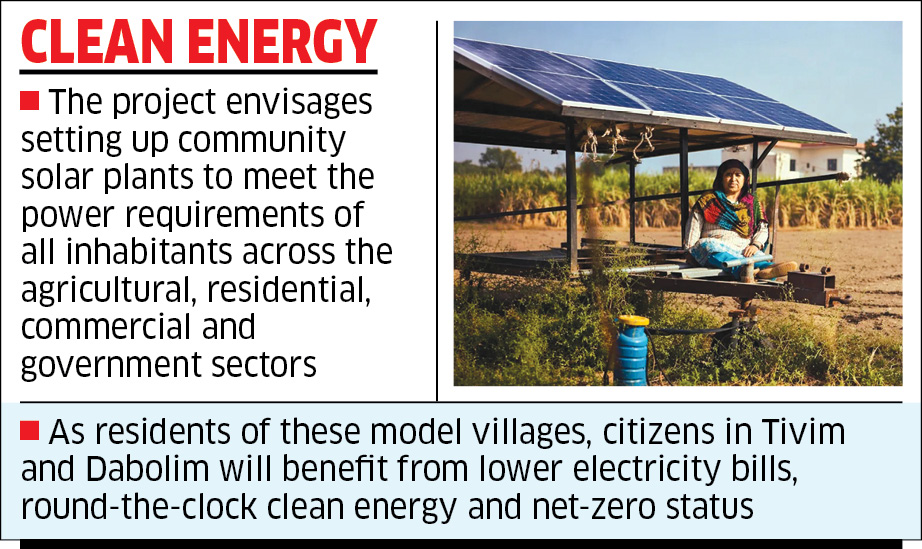
The villages of Tivim and Dabolim have been selected to become the first model solar villages in Goa. This initiative aims to make these areas completely self-sufficient by using sunlight to generate all the electricity they need. By moving to 24-hour solar power, these villages will serve as a guide for the rest of the state to follow. This project is a major step toward using cleaner energy and reducing the state's reliance on traditional power sources.
Main Impact
The primary impact of this project is the shift toward total energy independence for local communities. By generating their own power, Tivim and Dabolim will no longer have to depend entirely on the main power grid. This change is expected to lower electricity bills for residents and businesses alike. Furthermore, it helps the environment by cutting down on carbon emissions. As model villages, they will demonstrate how small communities can successfully manage their own green energy systems, potentially leading to a statewide change in how power is produced and used.
Key Details
What Happened
The Goa Energy Development Agency, known as GEDA, carried out a detailed study of several villages across the state. They looked at how much electricity each village uses and how much space is available for solar panels. After a competitive selection process, Tivim was chosen to represent North Goa, and Dabolim was selected for South Goa. These two locations were picked because they are important transport centers. Tivim is a major railway stop, and Dabolim is home to the state's main airport. Their success in going solar will be visible to many people traveling through Goa.
Important Numbers and Facts
The energy needs for these villages are quite large. In Tivim, the village currently produces a small amount of solar power, but it uses about 195,080 units of electricity every day. To become fully self-sufficient, experts believe Tivim will need a solar system capable of producing 50 megawatts of power. A megawatt is a large unit of power used to measure the output of power plants.
Dabolim has similar goals. It currently produces very little solar energy compared to its daily use of 117,528 units. To meet its future needs, Dabolim will require a solar setup that can produce 30 megawatts. The project will use photovoltaic panels, which are the standard black or blue panels seen on roofs that turn sunlight directly into electricity.
Background and Context
This project is part of a larger national program called the PM Surya Ghar Muft Bijli Yojana. This is a central government plan designed to help people get free or very cheap electricity through solar power. The goal of the program is to encourage every district in India to have at least one village that runs entirely on the sun. In Goa, the competition was tough. In the north, Tivim was chosen over seven other villages, including places like Korgao and Chorao. In the south, Dabolim was picked over six other candidates like Shiroda and Velim. The government wants to show that solar power is not just for big cities or factories, but for everyday homes and small farms too.
Public or Industry Reaction
Local officials and energy experts are optimistic about the change. Sanjeev Joglekar, a leading official at GEDA, noted that the main goal is to get more people to put solar panels on their roofs. By making these villages "net-zero," which means they produce as much energy as they use, the government hopes to inspire trust in renewable energy. Residents are expected to welcome the move because it promises more reliable power and lower monthly costs. Business owners in these areas are also looking forward to the stability that 24-hour solar power can provide to their shops and services.
What This Means Going Forward
The next step for Tivim and Dabolim is the creation of a Detailed Project Report. This report will list exactly what equipment is needed, where it will go, and how much it will cost. Once this report is finished, it will be sent to the central government for final approval and funding. The plan includes building community solar plants. These are large groups of solar panels that provide power to everyone in the village, including homes, schools, government offices, and farms. If this works well in these two villages, the Goa government plans to use the same methods to bring solar power to many more villages across the state in the coming years.
Final Take
Turning Tivim and Dabolim into model solar villages is a practical move toward a greener future for Goa. By focusing on these busy transport hubs, the state is making a bold statement about its commitment to clean energy. This project proves that with the right planning and government support, local communities can take control of their own energy needs. It is a win for the environment and a win for the pockets of local citizens.
Frequently Asked Questions
What is a model solar village?
A model solar village is a community that produces enough solar energy to meet all its electricity needs, serving as an example for other towns to follow.
How will residents benefit from this project?
Residents will enjoy lower electricity bills, more reliable 24-hour power, and the benefits of using clean, pollution-free energy.
Who is paying for the solar panels and equipment?
The project is supported by the central government under a national scheme, which provides financial help to states to set up these solar power systems.



