
Summary
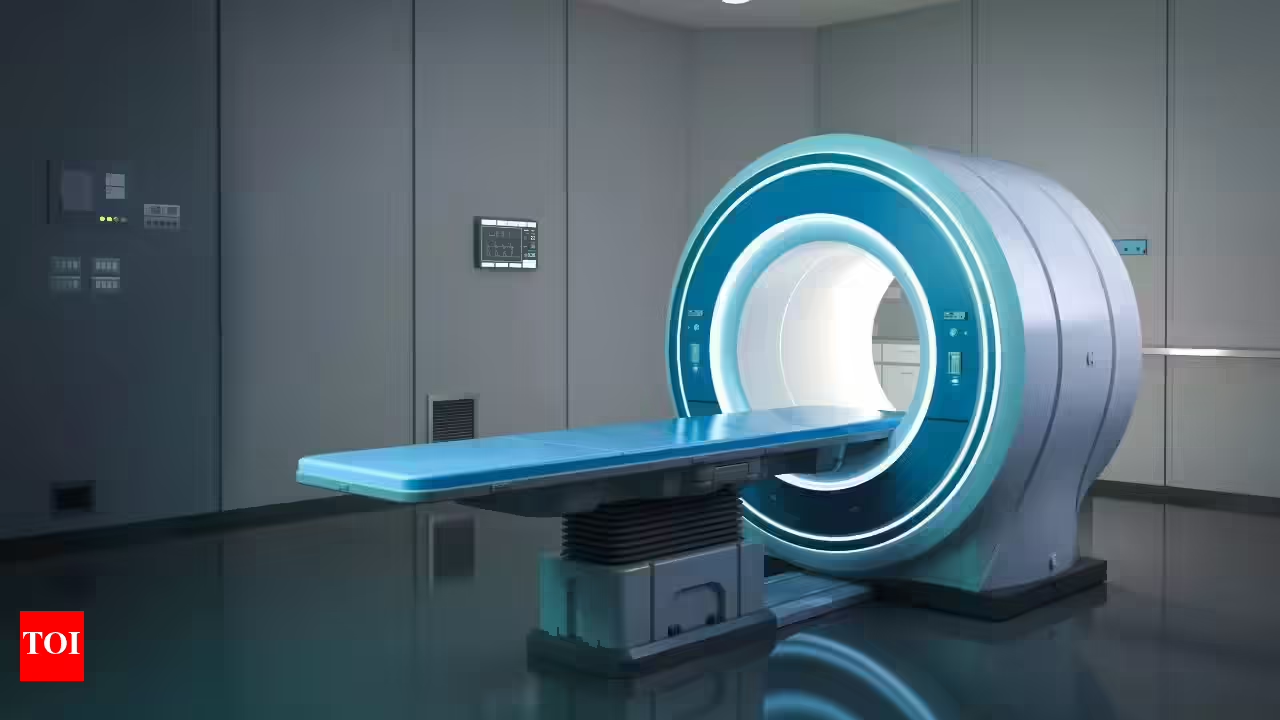
A global shortage of helium gas is creating serious problems for the medical industry and the supply chains that support it. Helium is a vital resource used to cool the powerful magnets inside MRI scanners, which are essential for diagnosing many health conditions. As the supply of this gas becomes harder to find, the costs for medical companies and hospitals are rising quickly. This situation is forcing the healthcare sector to look for new ways to manage their equipment and find alternatives to this rare resource.
Main Impact
The most immediate impact of the helium squeeze is the sharp increase in operating costs for diagnostic centers and hospitals. Because helium is becoming more expensive and harder to get, companies that maintain MRI machines are facing much higher bills. These extra costs often get passed down through the supply chain, which could eventually make medical scans more expensive for patients. Additionally, the shortage makes it difficult for manufacturers to build and test new machines, leading to potential delays in hospital upgrades.
Key Details
What Happened
Helium is a unique gas that stays extremely cold when it is in liquid form. In an MRI machine, liquid helium is used to keep the internal magnets at a temperature near absolute zero. This allows the magnets to work without any electrical resistance. Recently, several factors have combined to limit the amount of helium available on the market. Problems at major production plants in the United States and Russia, along with shipping delays from other regions, have created a gap between how much helium is needed and how much is actually available.
Important Numbers and Facts
Helium is a non-renewable resource, meaning once it is released into the air, it escapes into space and cannot be recovered. Most of the world’s helium comes as a byproduct of natural gas mining. Currently, only a few countries, including the United States, Qatar, and Russia, produce the majority of the global supply. When any of these sources face technical issues or political tension, the global price can jump by double or triple the normal rate in a very short time. For a single MRI machine, thousands of liters of liquid helium are required to start the system, and it must be topped up regularly to keep the machine running safely.
Background and Context
To understand why this matters, it is important to know that there is no easy substitute for helium in medical imaging. While helium is often associated with party balloons, its role in science and medicine is far more critical. MRI scanners use superconductivity to create detailed images of the human body. This process generates a lot of heat, and liquid helium is the only substance cold enough to keep the system stable. Without it, the magnets would overheat and the machine would shut down, a process that is very expensive to fix.
In recent years, the supply of helium has been unstable. The U.S. government, which used to hold a massive reserve of the gas, has been selling off its supplies to private companies. This shift in ownership, combined with global shipping problems and factory shutdowns, has made the market very unpredictable. For hospitals that rely on a steady supply to keep their life-saving equipment working, this unpredictability is a major concern.
Public or Industry Reaction
The medical community and device manufacturers are reacting with a mix of worry and innovation. Many large companies that build MRI machines are now trying to design new models that use much less helium. Some newer designs are even "sealed," meaning they use a small amount of helium that never needs to be refilled. However, these new machines are expensive and will take years to replace the thousands of older models currently in use around the world.
Hospital managers are also looking for ways to be more efficient. They are investing in better monitoring systems to detect helium leaks early. In some cases, clinics are forming groups to buy helium in bulk, hoping that larger orders will give them more power to negotiate better prices and guarantee they get the gas they need before it runs out.
What This Means Going Forward
Looking ahead, the healthcare industry must find a way to become less dependent on helium. If the supply remains tight, we may see a shift in how medical imaging is done. There will likely be more investment in "helium-free" technology and better recycling systems that capture gas before it escapes. In the short term, however, the focus will remain on managing costs. If prices stay high, smaller clinics in rural areas may find it harder to keep their MRI services running, which could limit access to care for some people.
Final Take
The current helium shortage is a clear reminder of how much modern medicine depends on natural resources that are hard to find. While technology is moving toward more sustainable options, the transition is slow and costly. For now, the medical industry must navigate a difficult period of high prices and supply chain gaps to ensure that patients can still get the diagnostic scans they need. The focus on saving helium today will likely lead to better, more efficient medical tools in the future.
Frequently Asked Questions
Why is helium used in MRI machines?
Helium is used because it can reach extremely low temperatures in liquid form. This is necessary to cool the powerful magnets inside the MRI machine so they can function properly without overheating.
Can we use something else instead of helium?
Currently, there is no other substance that works as well as helium for cooling MRI magnets. While scientists are working on new types of magnets that don't need as much cooling, most existing machines cannot work without it.
Will this shortage make MRI scans more expensive?
It is possible. As the cost of helium and machine maintenance goes up, hospitals and clinics may have to raise their prices to cover these new expenses. This depends on how long the shortage lasts and how much the prices increase.



