Summary
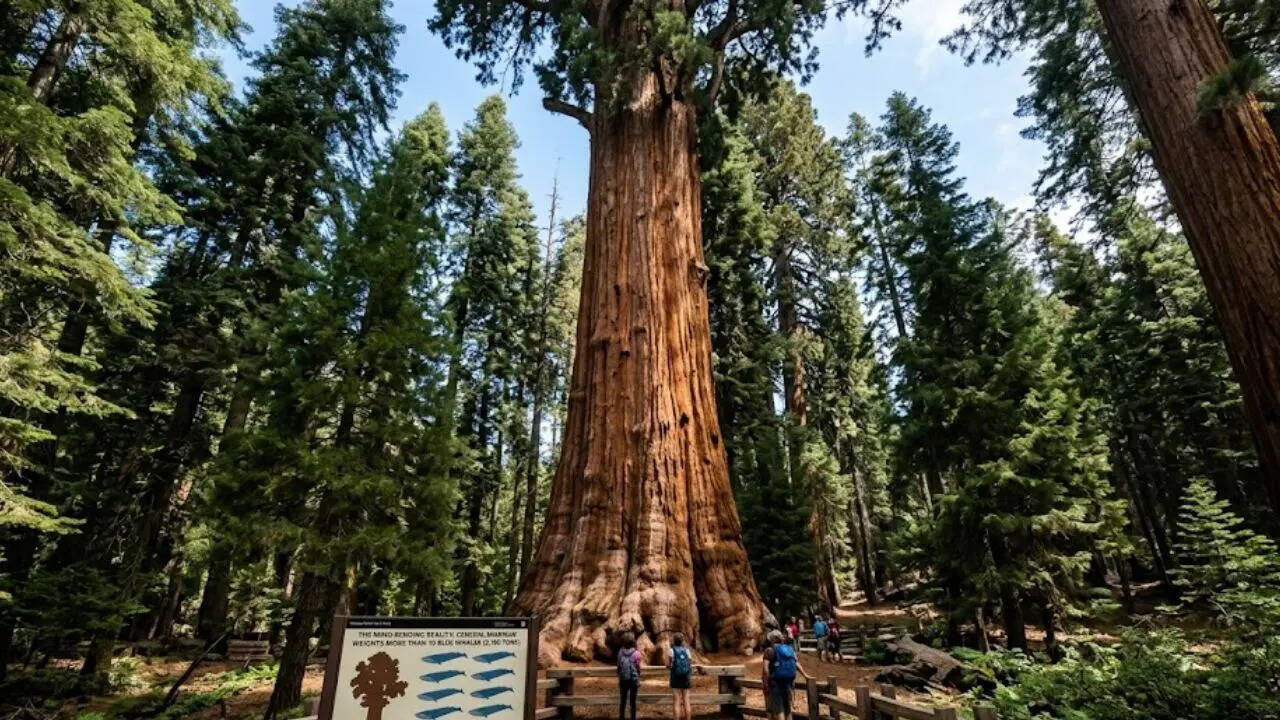
Sequoia National Park in California is home to some of the most amazing living things on our planet. The park is famous for its giant sequoia trees, which are the largest trees in the world by volume. One specific tree, known as General Sherman, is so massive that it weighs more than 10 blue whales. These ancient giants have lived for thousands of years and continue to draw millions of visitors who want to see their incredible size in person.
Main Impact
The existence of these massive trees has a huge impact on how we understand nature and conservation. Because they are so large and old, they act as a natural record of the Earth's history. Their survival depends on a very specific environment found only in a small part of the Sierra Nevada mountains. Protecting these trees is not just about saving a single park; it is about preserving a unique part of the world's biological history that cannot be replaced if it is lost.
Key Details
What Happened
For over a century, Sequoia National Park has worked to protect the giant sequoia species. These trees are unique because they do not just grow tall; they grow incredibly wide and thick. The General Sherman tree is the star of the park. It is not the tallest tree in the world, nor is it the widest at the base, but it has the most wood of any tree on Earth. This makes it the largest living thing by volume. Scientists and park rangers spend their time monitoring these trees to ensure they stay healthy despite changes in the weather and the threat of forest fires.
Important Numbers and Facts
The scale of the General Sherman tree is hard to imagine without looking at the numbers. It stands about 275 feet tall, which is nearly as high as a 25-story building. At the ground, its trunk is more than 36 feet wide. To put its weight into perspective, a single blue whale can weigh around 150 tons. General Sherman is estimated to weigh over 2,000 tons. This means you would need more than 10 of the world's largest animals to match the weight of this one tree. Experts believe the tree is between 2,200 and 2,700 years old, meaning it was already a large tree when the Roman Empire was at its peak.
Background and Context
Giant sequoias are a special type of tree that only grows on the western slopes of the Sierra Nevada mountain range. They usually live at an elevation between 5,000 and 7,000 feet. These trees have evolved to be very tough. Their bark can be up to two feet thick, which protects them from heat and fire. In fact, sequoias actually need small fires to survive. The heat from a fire helps their pine cones open up and release seeds into the soil. The fire also clears away smaller plants so the young sequoias have enough sunlight and space to grow. However, in recent years, fires have become much hotter and more dangerous, which has started to worry experts who look after the park.
Public or Industry Reaction
People who visit the park often describe the experience as life-changing. Standing next to a tree that is thousands of years old makes many people feel small and gives them a new respect for nature. Within the scientific community, there is a lot of focus on how to keep these trees safe from climate change. In recent years, when large wildfires moved toward the park, firefighters actually wrapped the base of General Sherman in fire-resistant foil. This move made news all over the world and showed just how much people care about protecting these natural wonders. Environmental groups are also pushing for better forest management to ensure the giants stay standing for another thousand years.
What This Means Going Forward
The future of Sequoia National Park depends on how well we can manage the forests. Park officials are using "prescribed burns," which are small, controlled fires set by experts. These fires clear out dead wood and brush that could fuel a much larger, more dangerous fire. There is also a focus on teaching the public about the importance of old-growth forests. As the world gets warmer, these trees face new challenges like drought and different types of bugs. Scientists are studying how the trees react to these changes to find new ways to help them survive. The goal is to make sure that future generations can still walk among these giants and see the General Sherman tree for themselves.
Final Take
Sequoia National Park serves as a powerful reminder of the strength and beauty of the natural world. The fact that a single living thing can weigh as much as 10 blue whales is a fact that stays with anyone who hears it. These trees have survived for thousands of years, through storms, fires, and droughts. Their continued presence is a testament to the importance of conservation and the need to protect the most unique parts of our planet. Seeing these giants in person is an experience that words can barely describe, as they represent a scale of life that is truly hard to believe.
Frequently Asked Questions
How old is the General Sherman tree?
The General Sherman tree is estimated to be between 2,200 and 2,700 years old. This makes it one of the oldest living things on the planet.
Can you climb the giant sequoia trees?
No, climbing the giant sequoias in the national park is strictly prohibited. This is to protect the trees from damage and to keep visitors safe.
Why are these trees only found in California?
Giant sequoias need a very specific mix of high elevation, plenty of water from melting snow, and a history of natural fires to grow. This specific environment is only found on the western slopes of California's Sierra Nevada mountains.