
Summary
General MM Naravane, the former head of the Indian Army, has decided to stop writing about real-life events. After facing a lot of trouble over his unpublished memoir, he announced that he is now focusing only on writing fiction. His book, titled "Four Stars of Destiny," caused a major stir because it reportedly contained sensitive information about military and government decisions. This change in direction shows how hard it can be for high-ranking officials to share their true stories after they retire.
Main Impact
The decision by the former Army Chief to move away from non-fiction is a significant moment for military literature in India. It highlights the strict control the government maintains over what retired officers can say in public. By choosing to write fiction, Naravane is avoiding the long and difficult process of getting government clearance for his work. This means that his personal account of major historical events may remain hidden or heavily changed before the public ever gets to read it.
Key Details
What Happened
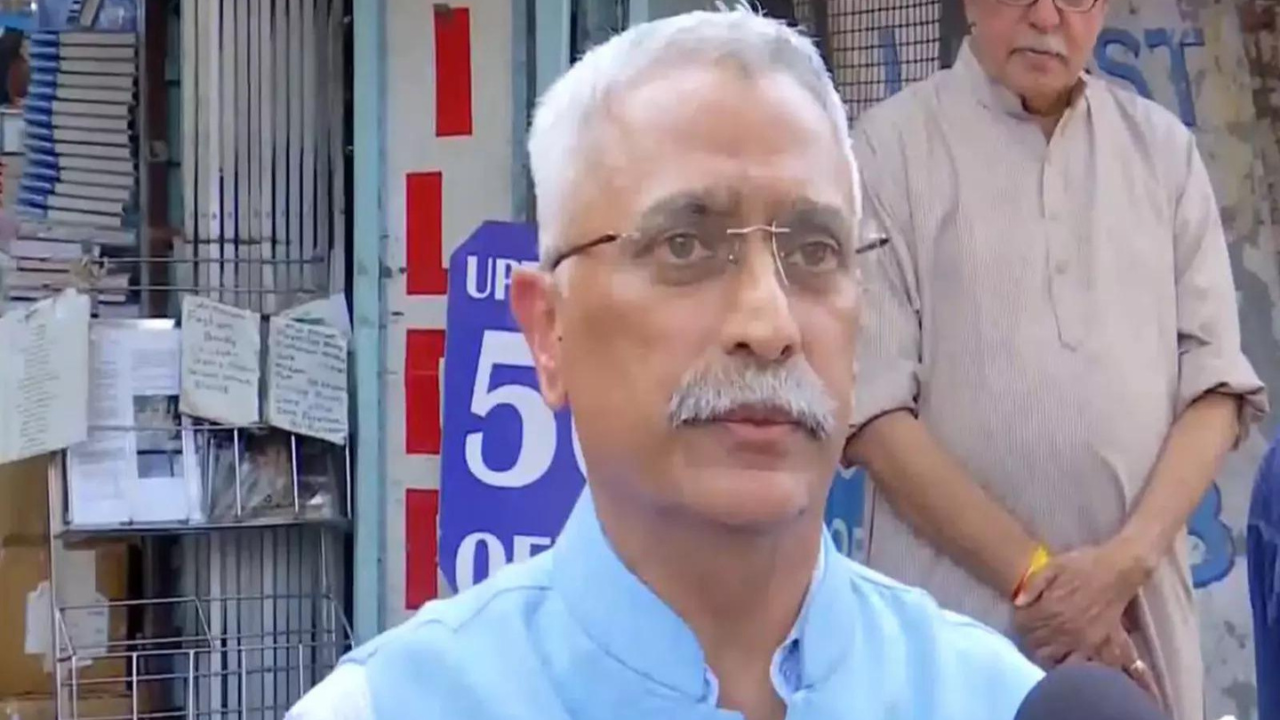
During a recent public talk, General Naravane spoke about the difficulties he faced with his memoir. He joked that writing the truth can lead to a lot of "uproar" and unwanted attention. He explained that in the world of fiction, he has the freedom to create stories without the fear of breaking rules or upsetting the authorities. His memoir was supposed to be released in early 2024, but it was put on hold after some parts of it were leaked to the media.
Important Numbers and Facts
General Naravane served as the 28th Chief of the Army Staff from late 2019 until April 2022. His career spanned over four decades, during which he saw some of the most tense moments in recent Indian history. The leaked parts of his book focused on two main areas: the 2020 border clash with China in the Galwan Valley and the introduction of the Agnipath recruitment scheme. The Agnipath plan changed how the military hires soldiers, moving to a four-year service model instead of a lifelong career. Naravane’s book reportedly suggested that the Army was not fully prepared for how quickly this plan was announced.
Background and Context
In India, retired military officers must follow certain rules when they write books about their time in service. They are not allowed to share secret information that could hurt national security. When Naravane’s memoir was announced, the Ministry of Defence began a review process. This is common, but the delay for this specific book has been much longer than usual. The topics he wrote about—like the border fight with China—are still very sensitive. The government is careful about any information that might contradict the official version of events or reveal how decisions were made behind closed doors.
Public or Industry Reaction
The reaction to Naravane’s situation has been mixed. Some people believe that former leaders have a duty to tell the truth so the public can learn from the past. They feel that stopping the book is a form of hiding the truth. On the other hand, some military experts argue that certain secrets must stay secret to protect the country. Within the publishing world, there is disappointment because a book by a former Army Chief is usually a best-seller. His move to fiction is seen by many as a clever way to keep writing while staying out of legal trouble.
What This Means Going Forward
It is still not clear if "Four Stars of Destiny" will ever be published in its original form. If it does come out, many expect that the most interesting or controversial parts will be removed. For other retired officers, this situation might make them think twice before trying to write their own life stories. As for General Naravane, his upcoming fiction books will likely draw on his deep knowledge of the military, but they will be sold as made-up stories rather than facts. This allows him to continue his passion for writing without the stress of a government review.
Final Take
General Naravane’s shift from facts to fiction is a clear sign of the times. It shows that even the most powerful leaders must be careful about what they say after they leave office. While fiction might be safer for the author, the public loses out on a chance to understand the real challenges faced by the military during critical moments in history.
Frequently Asked Questions
Why was General Naravane's book stopped?
The book was put on hold for a security review by the government. This happened after leaked parts of the book discussed sensitive military topics like the Agnipath scheme and border tensions with China.
What is the Agnipath scheme mentioned in the book?
Agnipath is a recruitment program where young people join the military for only four years. It was a big change from the traditional way of hiring soldiers for long-term careers, and it caused a lot of debate when it started.
Will the memoir ever be released?
There is no official date for the release yet. It depends on whether the Ministry of Defence gives permission and if the General agrees to make any changes they request.



