Summary
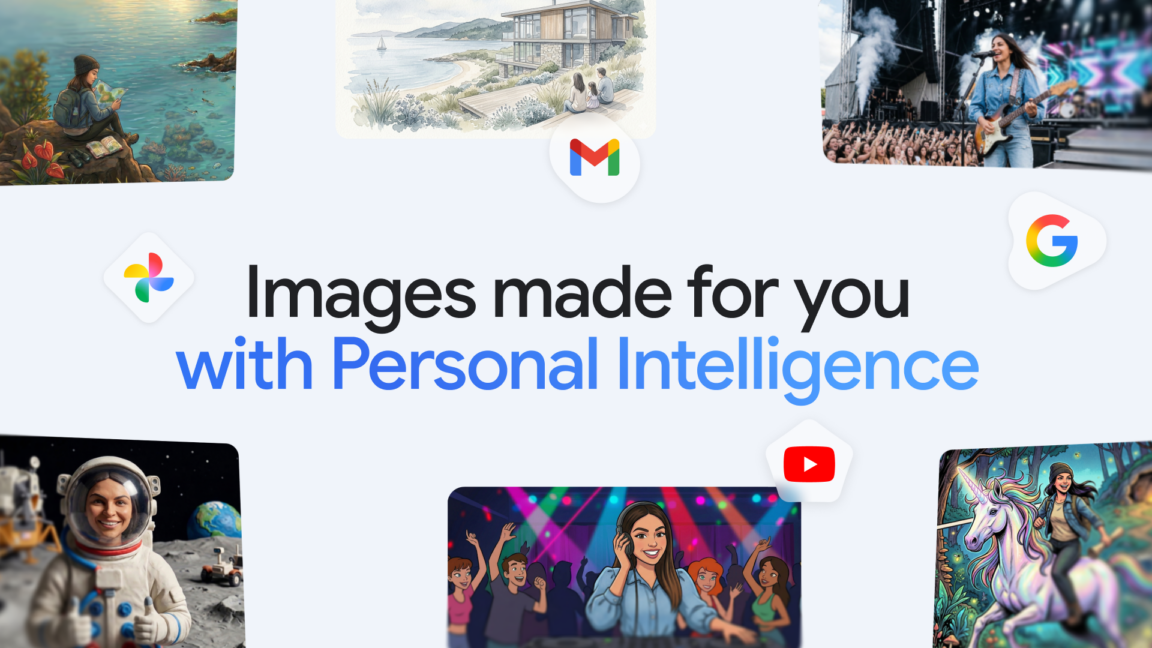
Google has introduced a new feature for its Gemini AI that allows it to look through a user's Google Photos library to create custom images. This update connects the company's image-making tool directly to a person’s private photo collection. By using this "personal intelligence" feature, users can create AI art that features their own family, pets, or specific belongings without having to upload files manually. This change is designed to make AI prompts simpler and the resulting images much more accurate to the user's real life.
Main Impact
The primary impact of this update is the removal of steps in the creative process. Previously, if a user wanted an AI to generate a picture of their specific dog, they would have to find a photo, upload it to the chat, and explain what the AI should do with it. Now, the AI already knows what the dog looks like. This creates a much more fluid experience where the AI acts as a personal assistant that understands the context of the user's life. It moves AI away from being a general tool and toward being a personalized service that knows the difference between a random person and the user's family members.
Key Details
What Happened
Google is now linking its Nano Banana 2 image generation model with the Google Photos app. This is an optional feature, meaning users must choose to turn it on before the AI can see their pictures. Once enabled, the Gemini chatbot can search through photo labels and image data to find references. For example, if a user asks the AI to "make a picture of my cat wearing a space suit," the AI will find photos of the user's actual cat to use as the base for the new image. This ensures the final result looks like the correct pet rather than a generic cat found on the internet.
Important Numbers and Facts
The rollout of this feature began in mid-April 2026. It is currently available to users who pay for Google’s AI subscription services. The technology behind the images is the Nano Banana 2 model, which is Google’s latest high-end system for creating visual content. This follows a broader trend started in early 2026 when Google first allowed Gemini to scan emails and documents to provide better text-based answers. The system uses existing labels in Google Photos—such as names assigned to faces or locations—to quickly identify the right subjects for a prompt.
Background and Context
For a long time, AI image generators were limited to what they learned from the public internet. While they could create beautiful landscapes or famous people, they had no idea what a specific user’s world looked like. To fix this, tech companies have been working on "personal intelligence." This is the idea that an AI should be able to use a person's own data to be more helpful. Google has a unique advantage in this area because billions of people already store their life memories in Google Photos. By connecting these photos to Gemini, Google is making its AI more relevant to the daily lives of its users than many of its competitors.
Public or Industry Reaction
The tech industry sees this as a major step in the race to build the best AI assistant. Experts note that the ability to use personal data safely is the next big challenge for companies like Google, Apple, and Microsoft. While many users are excited about the convenience of creating personalized holiday cards or fun family photos, there are also discussions about privacy. Because photos are very personal, some people are hesitant to let an AI "dig around" in their private galleries. Google has addressed these concerns by making the feature strictly opt-in and emphasizing that the data is used to improve the user's specific experience rather than training general models.
What This Means Going Forward
This update suggests a future where AI is deeply woven into all our digital files. We are moving toward a time when you won't need to describe things in great detail to a computer. Instead of writing a long paragraph, you might just say, "Make a birthday invite with my daughter and our car," and the AI will handle the rest. However, this also means that the security of photo storage becomes even more important. As AI gets better at recognizing our faces and homes, the companies holding that data will face more pressure to keep it safe from hackers or misuse. We can expect other companies to follow Google's lead by connecting their own AI tools to personal cloud storage services.
Final Take
Google is turning Gemini into a tool that truly understands who you are. By letting the AI see your photos, the company is making image generation faster, easier, and much more personal. While the idea of an AI looking through your private memories might feel strange to some, the practical benefits for creative projects are clear. This move marks a shift from AI being a smart search engine to becoming a creative partner that knows your world as well as you do.
Frequently Asked Questions
Does Gemini look at my photos automatically?
No. This is an opt-in feature. You must manually give Gemini permission to access your Google Photos library before it can use your pictures for image generation.
Do I need a paid subscription to use this?
Yes, this feature is currently part of Google's premium AI subscription plan, which offers more advanced "personal intelligence" features across various Google apps.
Can I use this to make images of other people?
The AI uses the labels and faces found in your own Google Photos library. It is designed to recognize people and pets that you have already identified or organized in your account.