
Summary
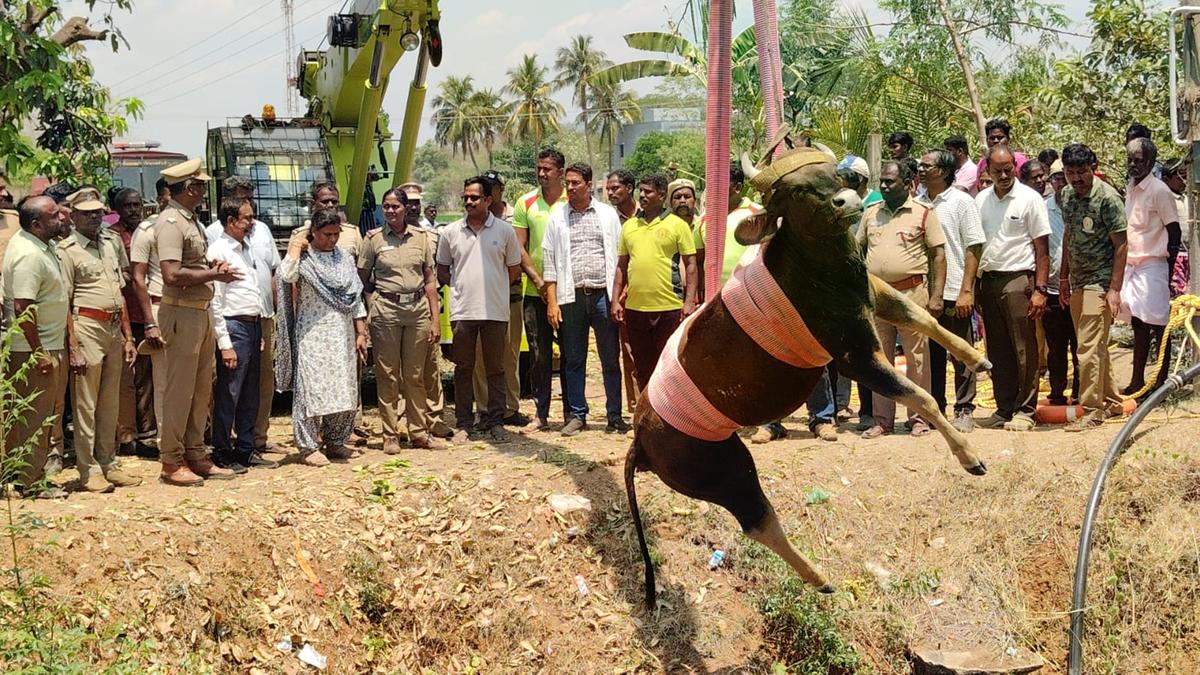
A tragic incident occurred near Manapparai where four gaurs, also known as Indian bison, fell into a deep agricultural well. Local authorities and rescue teams worked for more than six hours in a difficult operation to pull the animals out. While the teams managed to save two of the gaurs, the other two unfortunately died before they could be reached. This event has raised concerns about the safety of wildlife living near human settlements and the dangers of unprotected wells.
Main Impact
The death of two gaurs is a significant loss for the local environment, as these animals are protected under wildlife laws. The incident shows the ongoing struggle between nature and human development. When large animals like gaurs fall into deep wells, the physical stress and the risk of drowning make rescue missions extremely hard. This event has sparked a new discussion among local leaders and forest officials about how to prevent similar accidents in the future.
Key Details
What Happened
The incident took place in a village area near Manapparai, where wildlife often wanders out of the forest in search of food or water. The four gaurs likely fell into the well during the night or early morning hours when visibility was low. Because the well was deep and lacked a proper surrounding wall, the heavy animals could not climb out on their own. Villagers discovered the trapped animals and immediately alerted the authorities.
A large team of field-level personnel from the Forest Department arrived quickly. They were joined by members of the Fire and Rescue Services. The rescue was not easy because gaurs are very large and can weigh several hundred kilograms. The teams had to use heavy machinery, including cranes and sturdy ropes, to try and lift the animals to safety. The water level in the well and the narrow space made the work even more dangerous for both the rescuers and the animals.
Important Numbers and Facts
The entire rescue mission lasted for more than six hours. During this time, the joint team worked without a break to secure the animals. Out of the four gaurs that fell in, two were successfully brought to the surface alive. These survivors were checked for injuries and then guided back toward the forest area. Sadly, the remaining two gaurs did not survive the fall or the long hours spent in the water. Officials confirmed that the animals died due to drowning or the physical trauma of the fall.
Background and Context
Gaurs are the largest species of wild cattle in the world and are native to South and Southeast Asia. In India, they are a protected species. Manapparai and its surrounding regions are known to have patches of forest and hilly terrain where these animals live. As human farms expand closer to these natural habitats, the animals often cross into private land to find crops or water sources.
Open wells are a common sight in Indian agricultural fields. Many of these wells are old and do not have high walls or fences around them. For a heavy animal like a gaur, an open well is a deadly trap. Once they fall in, their weight makes it almost impossible for them to stay afloat for long periods or for humans to pull them out without specialized equipment. This is not the first time such an incident has happened, and it highlights a major safety gap in rural areas near forests.
Public or Industry Reaction
Local residents expressed sadness over the death of the animals. Many villagers praised the Fire and Rescue Services and the Forest Department for their hard work during the six-hour mission. However, wildlife activists are calling for stricter rules regarding farm wells. They believe that farmers should be required to build safety walls or install strong wire mesh covers over wells that are located near known wildlife paths.
Forest officials have also spoken about the difficulty of these operations. They noted that rescuing a wild animal is much harder than a domestic one because wild animals become very stressed and aggressive when trapped. This stress can often lead to heart failure or other health issues during the rescue process itself.
What This Means Going Forward
Moving forward, there will likely be more pressure on local governments to fund the fencing of open wells. The Forest Department may start a survey to identify the most dangerous wells in the Manapparai region. Farmers might receive advice or small grants to help them build protective walls. Additionally, there may be more patrols in the area to monitor the movement of gaur herds and warn villagers when they are nearby.
For the two surviving gaurs, the focus is on their recovery. Foresters will keep an eye on the herd to ensure the rescued animals rejoin their group and do not suffer from long-term injuries. This incident serves as a reminder that as humans live closer to nature, we must take steps to make the environment safe for all creatures.
Final Take
The loss of wildlife in such a preventable way is always a tragedy. While the rescue of two gaurs shows the skill and dedication of the emergency teams, the death of the other two shows that more needs to be done. Simple changes, like building walls around wells, can prevent these accidents and protect both animals and people. It is a clear sign that safety measures must keep up with the reality of living near wildlife.
Frequently Asked Questions
What is a gaur?
A gaur is a large wild animal also known as the Indian bison. It is the largest species of wild cattle and is found mostly in the forests of South Asia.
Why do gaurs fall into wells?
Gaurs often enter farms to look for food or water. If a well does not have a wall or a cover, the animals may not see it in the dark or might slip and fall in while trying to drink.
How are these animals rescued?
Rescuing a gaur requires a joint effort from the Forest Department and Fire Services. They use cranes, nets, and ropes to lift the heavy animals out, which can take many hours of careful work.



