
Summary
Gas prices in the United States have reached high levels following the start of the war with Iran. Energy Secretary Chris Wright recently stated that while prices have likely reached their highest point, they may not drop below $3 per gallon until 2027. President Donald Trump publicly disagreed with this timeline, claiming that prices will fall much faster once the conflict ends. This energy crisis is not just affecting Americans, as countries in Europe and Asia are facing even more severe fuel shortages and economic pressure.
Main Impact
The ongoing war has caused a sharp rise in fuel costs, adding a heavy burden to household budgets across the country. Since the conflict began in late February, the average price of gas has jumped by more than one dollar per gallon. This increase has led many people to change their spending habits and travel plans. Beyond the United States, the war has blocked a major shipping route for oil, causing a global supply shortage that is forcing some nations to take extreme measures to save energy.
Key Details
What Happened
The conflict began on February 28, 2026, when the United States and Israel launched coordinated strikes against Iran. This led to a near-total stop of shipping through the Strait of Hormuz. This narrow waterway is vital for the global economy because about 20% of the world's oil and natural gas passes through it. Without this supply, prices at the pump began to climb quickly. On April 7, a two-week ceasefire was reached to allow for peace talks, but the situation remains tense as the deadline for that agreement approaches.
Important Numbers and Facts
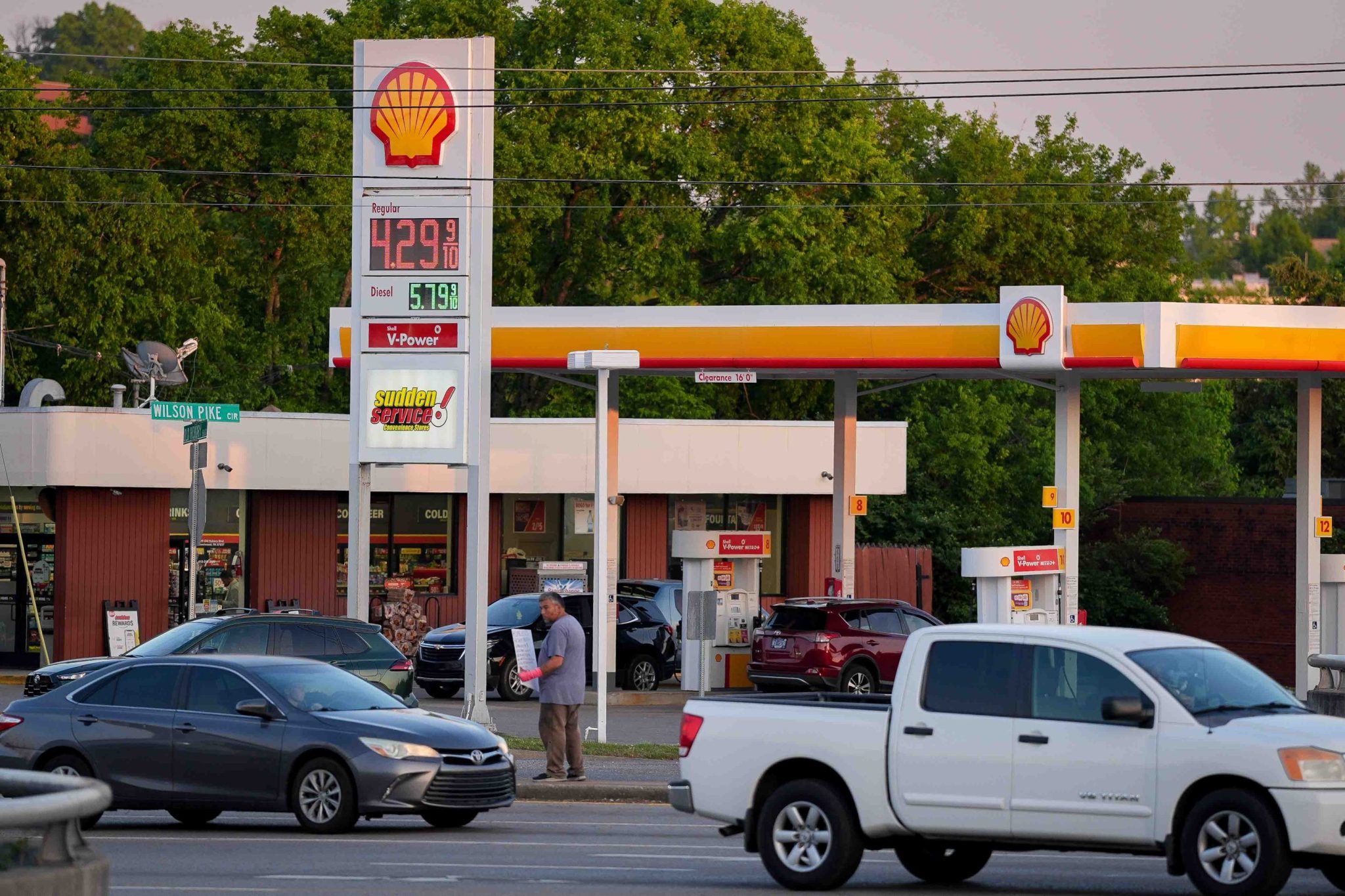
Gas prices hit a peak average of $4.17 per gallon on April 9. As of this week, the average price sits at $4.04 per gallon. To put this in perspective, gas cost only $3.15 per gallon at this same time last year. A recent poll shows that about half of all American adults now view gas prices as a serious financial hardship. While the U.S. struggles with these costs, other parts of the world are in worse shape. For example, some experts say Europe may only have about six weeks of jet fuel remaining in its reserves.
Background and Context
The current energy crisis is tied directly to the war and the closure of the Strait of Hormuz. When this shipping route is blocked, the world loses a huge portion of its daily oil supply. To help ease the pressure, the United States recently allowed some countries to buy oil from Russia again. The U.S. had previously stopped these sales because of the war in Ukraine. However, the need for fuel in Europe and Asia became so great that the rules were temporarily changed. Energy Secretary Wright noted that these exceptions are only temporary and will likely end once the conflict with Iran is resolved.
Public or Industry Reaction
There is a clear divide between government officials and the public regarding the future of energy costs. While Secretary Wright suggests a slow recovery, President Trump believes a quick end to the war will bring immediate relief. Meanwhile, international leaders are worried. During a recent meeting of world leaders, bankers asked the U.S. to keep oil flowing from other sources to prevent an economic collapse in Asia and Europe. In the U.S., public opinion polls show that citizens are frustrated and worried about how long they will have to pay high prices for basic needs like transportation.
What This Means Going Forward
The next few days are critical for the global economy. The current ceasefire is set to end this Wednesday. Vice President JD Vance is traveling to Pakistan to meet with Iranian officials in hopes of reaching a new peace deal. If these talks fail, the war could continue, and gas prices could stay high or even rise again. If a deal is reached, the Strait of Hormuz could reopen, allowing oil to flow freely again. However, even if the war ends today, it will take time for the global supply chain to return to normal and for prices to drop significantly at local gas stations.
Final Take
The path of gas prices depends entirely on how quickly the war with Iran can be settled. While there is hope that the worst of the price hikes are over, the disagreement between the President and his Energy Secretary shows how uncertain the future remains. For now, consumers should expect prices to stay higher than usual as the world waits for a peaceful resolution to the conflict.
Frequently Asked Questions
Why are gas prices so high right now?
Prices rose because of a war with Iran that began in February 2026. The conflict blocked the Strait of Hormuz, which is a major path for the world's oil supply.
When will gas prices go back below $3?
Energy Secretary Chris Wright believes it might not happen until 2027. However, President Trump claims prices will drop much sooner once the war ends.
How is the war affecting other countries?
Many countries are facing fuel shortages. Some nations, like Thailand and the Philippines, have declared energy emergencies or ordered people to work from home to save fuel.



