
Summary
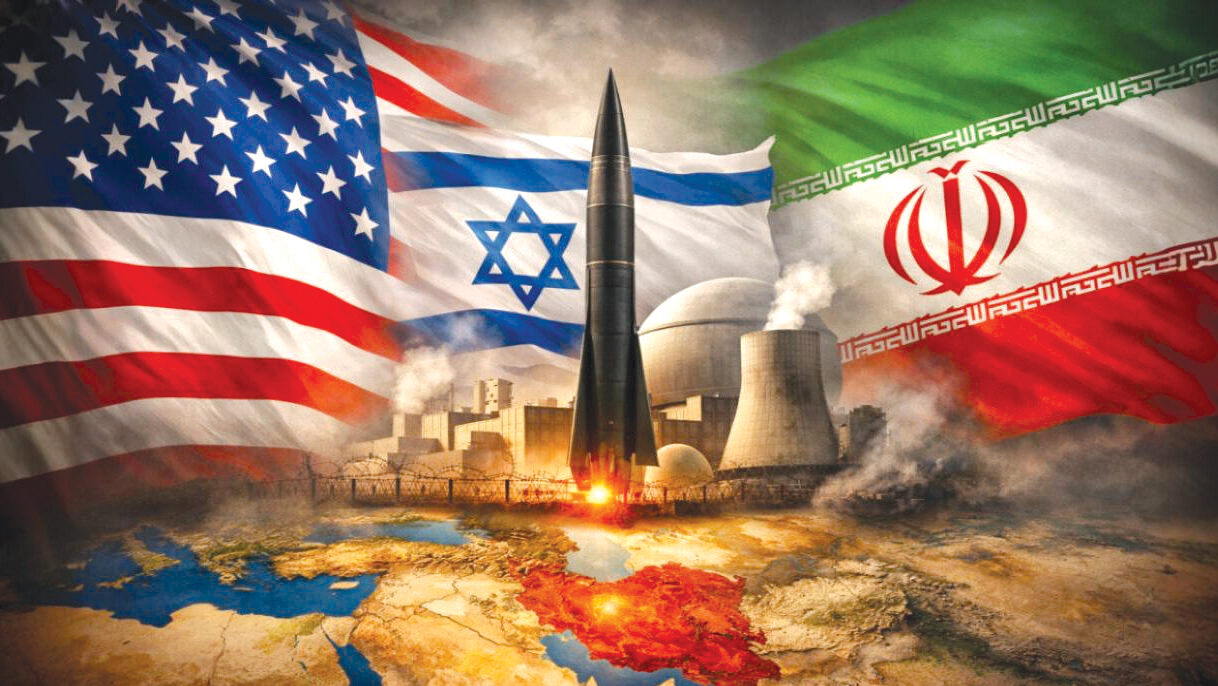
The story of King Croesus from ancient times offers a serious warning for modern world leaders. Croesus was a very wealthy king who went to war after a prophecy told him a great empire would fall, only to realize too late that the empire was his own. Today, the tensions between the United States, Israel, and Iran show similar patterns of misunderstanding power and risk. By looking at history and math, we can see how the lack of trust between nations leads to dangerous cycles of military growth and potential conflict.
Main Impact
The primary impact of current global tensions is the creation of a "security dilemma." This occurs when one country increases its military power to feel safe, which naturally makes other countries feel threatened. As those neighbors build their own weapons in response, the original country feels even less safe than before. This cycle leads to a massive buildup of weapons and higher chances of war, even if no one originally wanted to fight. It turns the search for safety into a race toward danger.
Key Details
What Happened
In ancient history, King Croesus of Lydia attacked the Persian Empire because he thought he was destined to win. He misinterpreted a message from a prophet and ended up losing his kingdom. Today, experts use "game theory" to study similar situations. One famous idea is the "Prisoner's Dilemma," which shows that two sides often fail to cooperate even when it would help them both. In modern politics, this lack of cooperation is seen in the nuclear arms race and the way countries plan "pre-emptive strikes" to destroy enemies before they can become a threat.
Important Numbers and Facts
Military spending shows a huge gap between the different sides in today's world. According to data from 2024, the United States spends more on its military than any other country. Israel is ranked 12th in the world for military spending, while Iran is much lower at 34th. India holds the 6th spot. When it comes to nuclear weapons, the U.S. has about 3,700 warheads and Israel has 90. Despite many fears, the International Atomic Energy Agency (IAEA) stated on March 2, 2026, that Iran does not have a program to build nuclear weapons.
Background and Context
This topic matters because the logic of war has changed very little over thousands of years. Whether it is an ancient king or a modern president, the human element of pride and fear often overrides clear thinking. Mathematicians and philosophers have tried to map out these behaviors using models. These models suggest that while one side might look much stronger on paper, a smaller or poorer country can still win a long war if they are patient and hold their ground. This is often called a war of "attrition," where the goal is to wear the enemy down over a long period of time.
Public or Industry Reaction
Military strategists and political experts are divided on how to handle these tensions. Some believe in the idea of being an "aggressor for peace," which means attacking first to prevent a future war. This was a popular idea in the U.S. during the 1950s. However, many modern thinkers argue that this logic is flawed because it ignores how humans actually behave. They point out that math models often assume people are "rational," but in reality, leaders often act on impulse, anger, or incorrect information.
What This Means Going Forward
To move away from the risk of total war, nations may need to adopt a strategy called "Tit for Tat." This approach was found to be the most successful in computer tests of human cooperation. It requires four simple steps: being "nice" by not attacking first, hitting back if you are attacked, being willing to forgive to stop a cycle of revenge, and not trying to "win" more than the other side. If countries continue to focus only on having more weapons than their neighbors, the "security dilemma" will likely lead to more local conflicts and a higher risk of nuclear mistakes.
Final Take
The fall of King Croesus shows that wealth and military size do not always lead to victory. In the modern world, the real challenge is not building the biggest army, but finding a way to break the cycle of fear. If leaders cannot learn to cooperate and forgive, they may find themselves fulfilling the same kind of dark prophecy that destroyed the ancient kingdom of Lydia. True security comes from building trust rather than just building more bombs.
Frequently Asked Questions
What is the Prisoner's Dilemma?
It is a thought experiment where two people must choose to either work together or betray each other. If both work together, they both win. If they don't trust each other and try to win alone, they usually both end up losing.
Does Iran have nuclear weapons?
As of March 2026, the head of the International Atomic Energy Agency (IAEA) stated that Iran has no organized program to build nuclear weapons, despite ongoing tensions with other nations.
What is a pre-emptive strike?
A pre-emptive strike is an attack made by a country because they believe an enemy is about to attack them. The goal is to destroy the enemy's ability to fight before the war even starts.



