
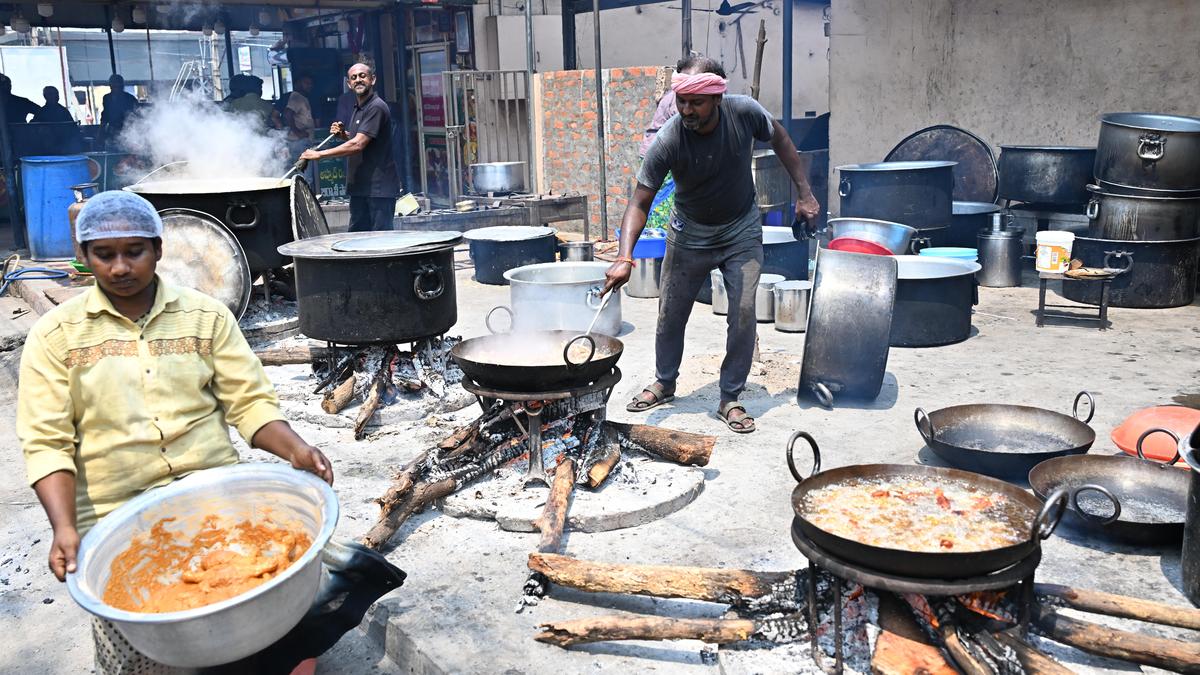
Summary
The hospitality industry is currently facing a severe fuel shortage that threatens the daily operations of hotels and restaurants. To manage the crisis, the Finance Minister has recommended that business owners reduce their operating hours and simplify their food menus to save energy. In response, hotel associations are requesting the government to guarantee a 50% quota of commercial gas cylinders to prevent widespread closures. This situation highlights the growing pressure on the service sector as energy costs and supply issues continue to rise.
Main Impact
The current fuel crisis is creating a difficult situation for the state’s tourism and food industries. If hotels and restaurants follow the advice to cut their hours, it could lead to a significant drop in revenue and a loss of jobs for kitchen and service staff. Many small businesses operate on thin profit margins, and any reduction in service time could make it impossible for them to pay rent and wages. Furthermore, a limited menu means fewer choices for customers, which might discourage people from eating out, further hurting the local economy.
Key Details
What Happened
During a recent meeting between government officials and industry leaders, the Finance Minister addressed the ongoing shortage of Liquefied Petroleum Gas (LPG). The minister suggested that businesses should consider "alternate day operations." This would mean a restaurant might only open four days a week instead of seven. Additionally, the government advised hoteliers to "trim" their menus. By offering fewer dishes, kitchens can reduce the number of burners they use and the amount of time they spend prepping food, which saves a significant amount of fuel.
Important Numbers and Facts
Hotel and restaurant bodies have formally asked for a 50% quota of commercial LPG cylinders. Currently, the supply is unpredictable, making it hard for managers to plan their weekly operations. There are thousands of registered eateries in the state that rely entirely on these cylinders. Industry experts suggest that without at least half of their usual supply, more than 30% of small-scale cafes could face temporary or permanent closure within the next month. The cost of commercial fuel has also seen a steady increase, adding more financial weight to an already struggling sector.
Background and Context
Fuel is the backbone of the hospitality industry. Most professional kitchens use commercial LPG because it is efficient and provides the high heat needed for quick cooking. When the supply of this gas drops, the entire food chain is affected. This crisis is not just about cooking; it is about the logistics of keeping a business running. In recent months, global supply chain issues and local distribution problems have made it harder for the state to maintain its usual fuel reserves. This has forced the government to look for ways to lower demand until the supply stabilizes.
Public or Industry Reaction
The reaction from hotel owners has been one of deep concern. Many argue that closing on alternate days is not a practical solution for the service industry. They point out that fixed costs, such as electricity, taxes, and staff salaries, do not stop just because the kitchen is closed. Restaurant associations have stated that while they want to cooperate with the government, they need a more reliable solution than simply cutting services. They believe that a guaranteed quota of gas cylinders is the only way to keep the industry alive during this period of scarcity.
What This Means Going Forward
In the coming weeks, the government will need to decide whether to grant the requested 50% fuel quota. If the quota is approved, it may provide enough stability for businesses to stay open, even if they have to limit their menus. However, if the shortage continues without a clear plan, the public can expect to see higher prices on food menus as businesses try to cover their rising costs. There is also a risk that a black market for gas cylinders could develop, which would further complicate the situation for honest business owners. The next few months will be a test of how well the state can balance energy conservation with economic growth.
Final Take
The fuel crisis is forcing the hospitality sector to make tough choices between staying open and saving resources. While the government’s advice to cut hours and menus is a temporary fix, the long-term health of the industry depends on a steady and affordable fuel supply. Both the government and business owners must work together to find a middle ground that protects jobs while managing the state's limited energy reserves.
Frequently Asked Questions
Why is the government asking hotels to cut their menus?
The government wants hotels to use less fuel. By cooking fewer types of dishes, restaurants can keep their stoves off for longer periods and reduce the total amount of gas they consume each day.
What is a fuel quota?
A fuel quota is a set amount of gas that the government promises to provide to a specific group. In this case, hotel owners want a guaranteed 50% of their usual supply so they can plan their business hours accurately.
How will this affect customers?
Customers may find that their favorite restaurants have shorter opening hours or fewer food options. There is also a possibility that the price of meals will increase as fuel becomes more expensive and harder to find.

