
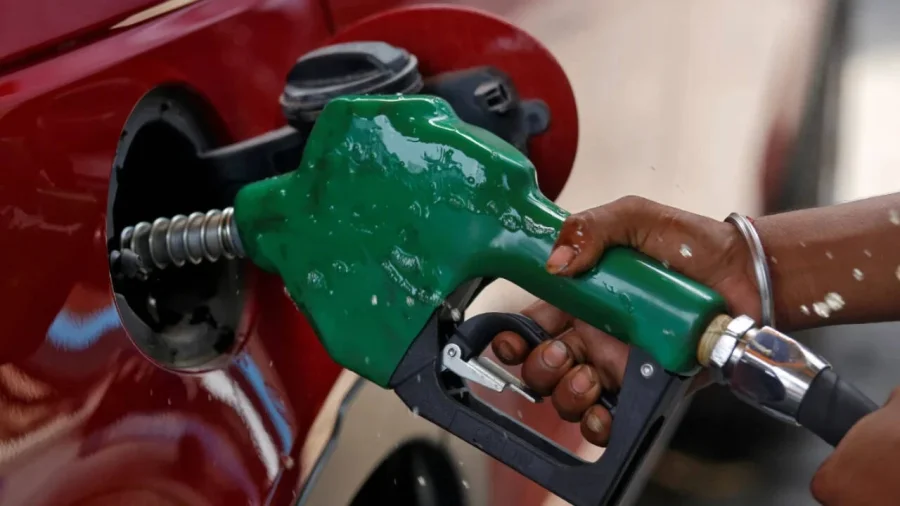
Every litre of petrol or diesel a driver fills carries a silent promise — clean burn, smooth performance, no engine damage. When reports question that promise, concern spreads quickly across millions of vehicle owners. The government has now stepped in with a firm dismissal, saying checks are on.
Government rejects fuel quality claims, insists checks are on
Officials have dismissed reports of fuel quality issues, maintaining that the current checks do not support the concerns. The response appears designed to reassure consumers who depend on fuel for daily travel and livelihood. The exact nature of the reports that triggered this statement has not been disclosed.
Why this response matters to every fuel buyer
Fuel quality is not a technical abstraction. Substandard petrol or diesel can mean higher consumption, engine knocking, clogged injectors, and expensive repairs. Those costs fall hardest on commercial drivers — truckers, cab operators, and delivery workers — for whom every unreliable tankful is lost income.
What is known so far in the fuel quality controversy
The confirmed detail is narrow but clear: the government has rejected the reports and confirmed that checks are active. What remains unknown is which reports prompted the response, which fuel types or regions were implicated, and what testing parameters were called into question. Until those details emerge, the full picture stays incomplete.
Who carries the risk when fuel quality is questioned
Two-wheeler owners, private car users, fleet operators, and farmers all have a direct stake. Even a temporary perception of poor fuel quality can shift consumer behaviour, push drivers toward alternative sourcing, and create uncertainty about accountability across the retail fuel market.
What the official dismissal does — and does not — settle
The government's word carries weight because fuel retailing in India is dominated by public-sector companies with extensive testing infrastructure. But an official denial does not automatically end the conversation. If specific complaints exist, consumers will expect transparency about sampling, lab results, and any corrective action taken.
Reading between the lines of the assurance
By responding quickly, the government is signalling that it views fuel quality as a high-trust issue where silence could be costly. The phrase "checks on" is deliberately broad — it reassures without committing to specifics. That may be enough to calm the moment, but it also leaves room for follow-up questions.
Confirmed facts versus gaps in the fuel quality story
Confirmed so far: The government has dismissed the reports and said checks are on. Remains unclear: the source and content of the original reports, the scope of the ongoing checks, and whether any evidence supported the claims. All of this awaits official clarification.
Balanced view: reassurance versus the need for proof
Supporters of the official position will note that established quality protocols already protect consumers at refineries and retail points. Critics may argue that relying on a blanket dismissal, without visible data, can sometimes deepen public suspicion. The credibility of this response will ultimately rest on the checks producing verifiable outcomes.
A familiar pattern: fuel quality alerts in India
Fuel adulteration and quality complaints have surfaced periodically across Indian states, often prompting authorities to intensify random sampling and surprise inspections. This dismissal fits into that longer pattern of regulatory reactivity to public concerns — a history that gives consumers context, even if it does not settle this specific case.
Practical advice for motorists amid the checks
Buy fuel only from authorised retail outlets, insist on a proper bill, and note the outlet details if you suspect a problem. Official complaint channels of oil marketing companies and the petroleum regulator are the appropriate route for raising concerns. Acting on verified information beats reacting to unverified reports.
What happens next in the fuel quality matter
Attention now shifts to whether the government releases further details of its checks — including sample results or inspection figures. If quality is confirmed, the matter may close quickly. If irregularities emerge, the dismissal would need to be revisited. For now, the official line is clear: checks are on.
Our Take
The government's swift response reflects an understanding that fuel quality is a deeply personal issue for millions of Indians. But in an information environment where unverified claims travel faster than official statements, a dismissal alone rarely settles public concern. The real test will be whether the ongoing checks produce transparent results ordinary drivers can actually trust.
Frequently Asked Questions
Why did the government dismiss reports of fuel quality issues?
According to the headline report, the government has rejected the claims and said that checks are on. The specific details of the reports have not been independently verified yet.
What checks is the government referring to?
The official statement points to ongoing quality checks, likely covering the fuel supply chain from refineries to retail outlets. Specific locations, parameters, and sample details have not yet been disclosed.
What should I do if I suspect poor fuel quality?
Keep your fuel bill, note the outlet's name and address, and register a complaint through the oil company's official channel or the petroleum regulator's consumer grievance system.
Can poor-quality fuel actually damage my vehicle?
Yes. Contaminated or adulterated fuel can reduce engine efficiency, cause knocking, clog fuel injectors, and increase maintenance costs — which is exactly why quality



