
Summary
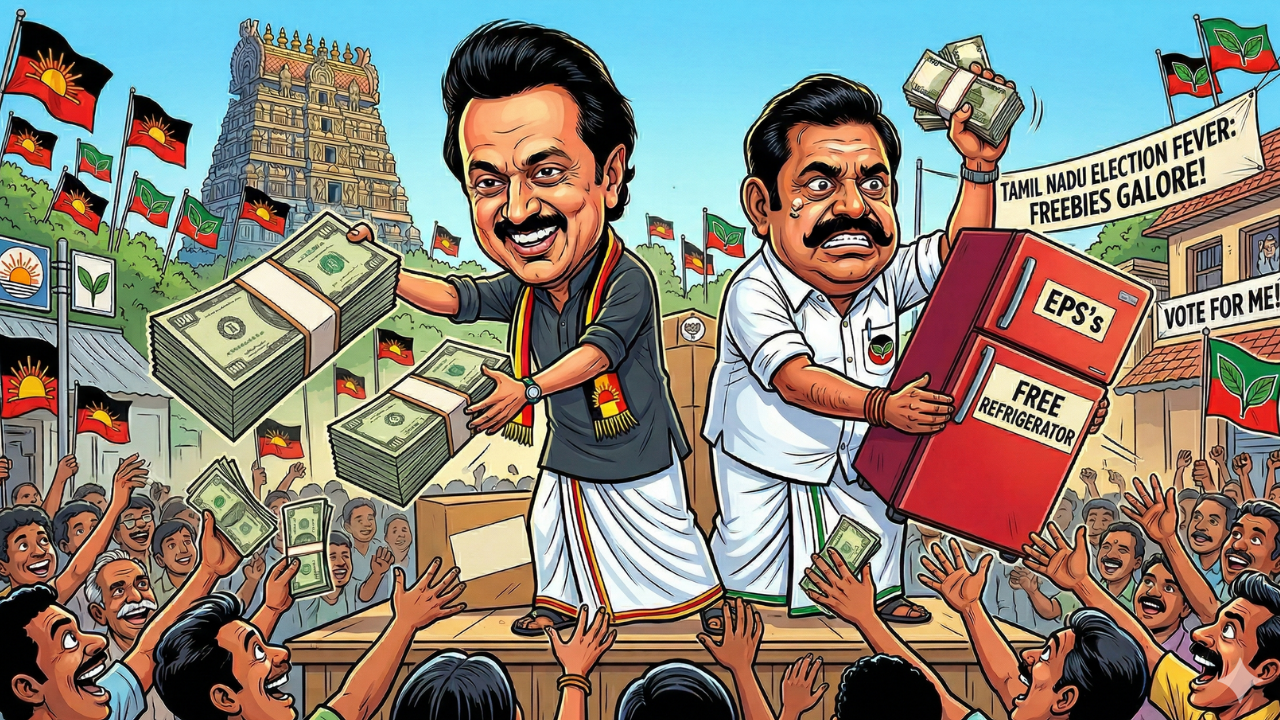
Tamil Nadu has long been seen as a leader in social welfare in India. For decades, the state successfully used government programs to improve health, education, and nutrition for its citizens. However, recent trends show a shift from these helpful social programs toward a system of giving away consumer goods and cash to win votes. This change has created a "freebie trap" that is putting a massive financial strain on the state’s economy and making people more dependent on government handouts.
Main Impact
The biggest impact of this shift is the rising debt of the state government. To pay for free items like household appliances and monthly cash gifts, the government has to borrow huge amounts of money. This means there is less money available for building new roads, improving the power supply, or creating jobs. While the free items help families in the short term, the long-term health of the state's economy is at risk because the government is spending more than it earns.
Key Details
What Happened
The culture of giving away free items started as a way to help the poor but turned into a political tool. In the past, programs like the Mid-day Meal scheme were designed to keep children in school and improve their health. Over time, political parties began competing by promising more direct gifts. This started with free color televisions and moved on to laptops, mixers, and grinders. Today, the competition has moved to direct cash transfers, where the government gives a set amount of money to specific groups of people every month.
Important Numbers and Facts
The cost of these programs is very high. For example, the current scheme that provides monthly cash to women costs the state thousands of crores of rupees every year. Reports show that Tamil Nadu’s total debt has crossed 7 lakh crore rupees. A large part of the state's revenue now goes toward paying back interest on loans and funding these subsidies. This leaves very little room for the government to invest in new industries or infrastructure that could help the state grow in the future.
Background and Context
To understand this issue, we must look at the "Dravidian Model" of development. This model focused on social equality and making sure everyone had access to basic needs. In the 1960s and 70s, Tamil Nadu led the way in making sure people had food and education. These programs worked well and helped the state become one of the most developed in India. However, as political competition between the two main parties grew, they began to offer "freebies" to attract voters. What started as a way to help the needy has now become a standard expectation for the entire population, regardless of their financial status.
Public or Industry Reaction
Economists and financial experts have raised red flags about this trend. They argue that while welfare is necessary, "freebies" do not help people get out of poverty in the long run. Instead, they create a cycle where people wait for the next government gift rather than seeking better economic opportunities. On the other hand, many voters have become used to these benefits. For many low-income families, the free appliances and cash help them manage their daily expenses in a time of rising prices. This makes it very difficult for any political party to stop these programs without losing support.
What This Means Going Forward
The state now faces a difficult choice. If it continues to spend heavily on free items, the debt will continue to grow, which could lead to a financial crisis. This might force the government to raise taxes or cut spending on essential services like hospitals and schools. The next step for the state should be to find a balance. It needs to keep the welfare programs that truly help people improve their lives, such as education and healthcare, while reducing the spending on items that do not provide long-term value. Moving from "giving things away" to "creating opportunities" will be the biggest challenge for the government in the coming years.
Final Take
Tamil Nadu’s journey shows that there is a thin line between helpful welfare and harmful dependency. While the state has achieved great things through social support, the current focus on free gifts is not sustainable. For the state to remain an economic powerhouse, it must focus on building a future where people do not need to rely on government handouts to survive. True progress comes from empowering citizens with skills and jobs, not just giving them goods for their votes.
Frequently Asked Questions
What is the difference between welfare and a freebie?
Welfare programs are designed to provide long-term benefits, like education, healthcare, and nutrition. Freebies are usually consumer goods or cash given to people to gain political support, which may not help them improve their lives in the long run.
Why is Tamil Nadu’s debt increasing?
The debt is increasing because the government is spending a large portion of its budget on subsidies and free items. To cover these costs, the state has to borrow money, leading to high interest payments and a growing total debt.
How do freebies affect the state's development?
When a government spends too much on free items, it has less money to spend on infrastructure like roads, bridges, and power plants. This can slow down industrial growth and make it harder to create new jobs for the youth.



