
Summary
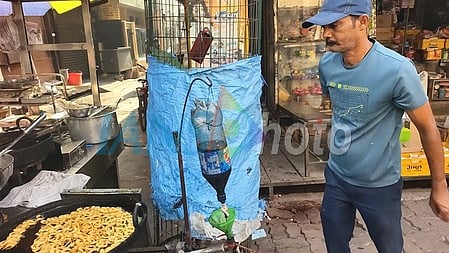
A street vendor in Prayagraj has found a creative way to keep his business running during a fuel crisis. Aman Gupta, who sells jalebis, built a custom stove that uses waste engine oil instead of traditional LPG gas. This invention came after he was forced to close his shop for several days because he could not find gas cylinders. His "magical stove" shows how local people are finding new ways to handle energy shortages and rising costs.
Main Impact
The biggest impact of this invention is the independence it gives to small business owners. For many street vendors, the cost and availability of LPG cylinders are constant worries. By switching to waste engine oil, Aman Gupta has removed his dependence on the traditional fuel supply chain. This move not only saves him money but also ensures that his shop can stay open even when there is a gas shortage in the city. It also provides a way to reuse old oil that would otherwise be thrown away, which helps reduce waste in the local area.
Key Details
What Happened
Aman Gupta runs a well-known jalebi stall in Prayagraj. Recently, a sudden increase in demand for gas cylinders led to a shortage. Because he could not get the fuel he needed, Aman had to shut down his stall for four days. Losing four days of work is a major problem for a small vendor. Instead of waiting for the gas supply to return to normal, he looked for a solution online. He studied different designs and eventually built a stove that could burn "burnt mobil," which is the thick, black oil drained from cars and motorcycles during servicing.
Important Numbers and Facts
The stove produces a steady and strong flame that is very similar to the heat produced by a standard LPG burner. Aman now visits local vehicle service stations to collect the waste oil he needs. This oil is often very cheap or even free because mechanics usually want to get rid of it. By using this waste product, Aman has significantly lowered his daily operating costs. The stove has proven to be reliable enough to handle the high heat required for deep-frying jalebis throughout the day.
Background and Context
This situation highlights a larger problem with energy security. India relies heavily on imported gas and oil. When there are tensions in places like West Asia or problems in shipping routes like the Strait of Hormuz, the supply of fuel can become unstable. This often leads to "panic buying," where people try to buy as many gas cylinders as possible, leaving small business owners with nothing. In urban areas, there is a push to move toward Piped Natural Gas (PNG), but many street vendors still rely on portable cylinders. When these cylinders disappear from the market, vendors lose their only way to make a living.
Public or Industry Reaction
The local community in Prayagraj has reacted with a mix of surprise and respect. Many people have visited Aman’s stall just to see the stove in action. Regular customers have praised his ability to solve a difficult problem on his own. Some local residents believe that this kind of "jugaad"—a term used in India for clever, low-cost fixes—could help other people who are struggling with high fuel prices. While some people wonder about the smoke or smell, Aman says the stove works efficiently and allows him to serve his customers just like before.
What This Means Going Forward
Aman’s invention might encourage other small businesses to look for alternative fuels. However, there are also things to consider for the future. While using waste oil is cheap, it is important to look at the health and safety side of burning engine oil in public spaces. If more people start using these stoves, there may be a need for better designs that ensure the oil burns cleanly without releasing harmful fumes. This story also puts pressure on local authorities to provide more stable energy options for small businesses so they do not have to rely on experimental methods to survive.
Final Take
Aman Gupta’s story is a perfect example of how necessity leads to new ideas. By turning a waste product into a useful tool, he saved his business and showed that expensive fuel is not the only option. His "magical stove" is a reminder that even in a global energy crisis, local people can find smart ways to keep their lights on and their fires burning.
Frequently Asked Questions
What fuel does the new stove use?
The stove uses waste engine oil, also known as "burnt mobil," which is collected from vehicle repair shops after it is drained from cars and bikes.
Why did the vendor build this stove?
He built it because a shortage of LPG gas cylinders forced him to close his jalebi stall for four days, and he needed a way to keep working without relying on gas.
Is the flame as good as a regular gas stove?
Yes, the vendor says the flame is just as effective and strong as a regular LPG stove, making it perfect for cooking and frying food.

