
Summary
World Autism Awareness Day is observed every year on April 2. This year, the United Nations has chosen the theme "Autism and Humanity: Every Life Has Value." While more people now understand what autism is, there is a growing need to move beyond simple awareness. The goal is to ensure that autistic individuals are not just present in society but are active participants who feel they truly belong in their schools, workplaces, and neighborhoods.
Main Impact
The shift from awareness to participation marks a major change in how society supports autistic people. Awareness means knowing that autism exists, but participation means making sure a person can join in daily activities. When communities focus on participation, autistic children and adults gain the chance to learn new skills, build friendships, and live with dignity. This change helps break down the walls of social isolation that many families face.
Key Details
What Happened
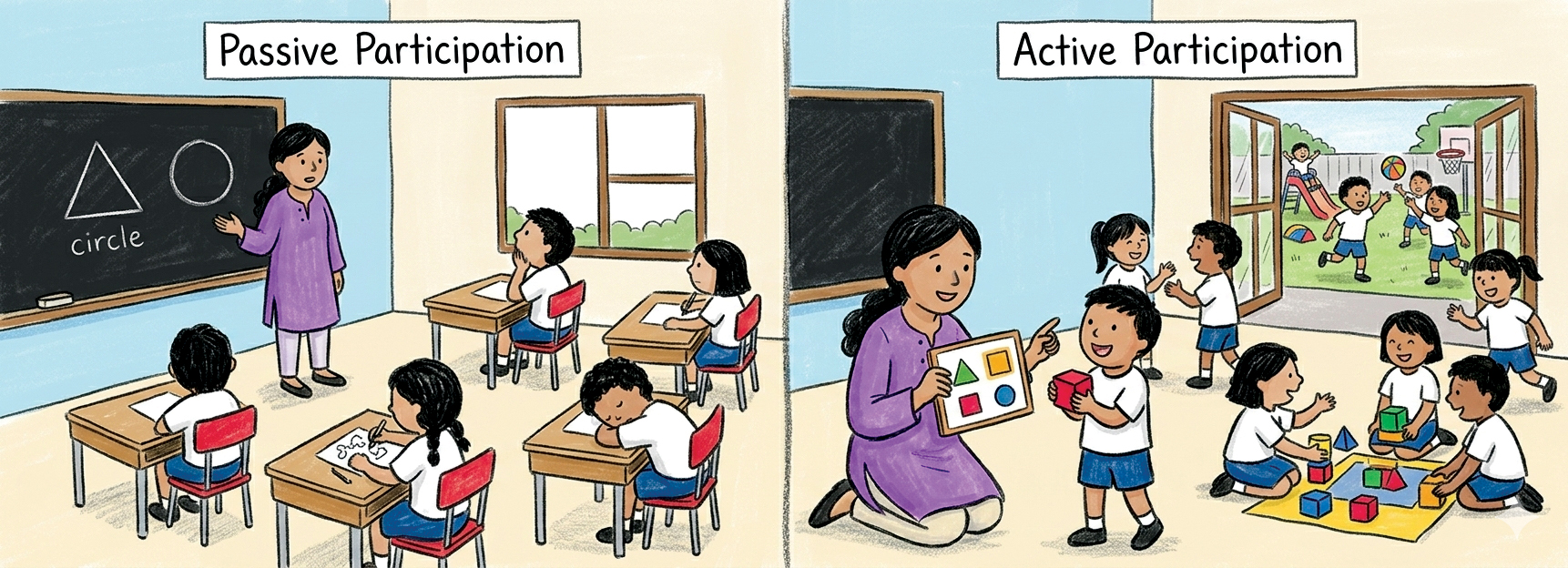
On World Autism Awareness Day, experts and advocates are highlighting the difference between being "included" and "participating." Being included often just means being allowed in the room. Participation means being given the tools and the invitation to take part in what is happening. For example, a child might be in a classroom but sitting alone. True participation happens when that child is given a specific role in a group project or a game.
Important Numbers and Facts
The United Nations sets the global theme for April 2 each year to focus attention on specific needs within the autistic community. This year’s focus on "Humanity" reminds the public that every person deserves respect and opportunity. In places like Goa, the close-knit nature of the community provides a unique chance to practice these values. Because people live in the same areas for generations, small acts of kindness by one neighbor can quickly influence others to be more welcoming.
Background and Context
In the past, many people did not understand autism. Families often felt they had to stay home because they feared how others would react to their child’s behavior. Today, social media and education have made the word "autism" common. People are generally kinder and more patient than they used to be. However, knowing about a condition is only the first step. The next step is changing how we act in our daily lives to make sure no one is left out.
Autistic children learn best when they are part of the world around them. They do not only learn in therapy sessions; they learn by doing chores, playing with cousins, and going to the store. When a child is left on the sidelines, they miss out on these vital learning moments. This can lead to a loss of confidence and make it harder for them to connect with others as they grow older.
Public or Industry Reaction
Community members are beginning to see that they play a role in this journey. It is not just a job for doctors or parents. A dance teacher who takes an extra minute to explain a move, or a shopkeeper who waits patiently while a child counts out money, is practicing true inclusion. These small actions do not cost money and do not require special training. They only require a person to notice someone else and offer a small amount of extra time or a simple invitation to join.
In many local communities, these small changes are starting to spread. When a teacher notices a child sitting alone and asks another student to partner with them, it teaches the whole class about kindness. When a relative invites an autistic nephew to help in the kitchen, it shows the rest of the family that the child has valuable skills to offer. These moments build a stronger, more supportive environment for everyone.
What This Means Going Forward
The future of autism support lies in the hands of the community. As we move forward, the focus will be on creating spaces where autistic people can contribute their talents. This means schools must look at how they involve students in social activities, not just lessons. It also means that businesses and public spaces should consider how they can be more welcoming to those who communicate or behave differently. The goal is a society where everyone has a place and a purpose.
Final Take
True inclusion is about more than just being kind; it is about making sure every person has the chance to be an active part of their community. When we take the time to invite someone to join a game or help with a task, we are doing more than just being nice. We are helping that person grow, learn, and feel valued. By making these small changes, we create a world that is more human and welcoming for everyone.
Frequently Asked Questions
What is the difference between awareness and participation?
Awareness is knowing that autism exists. Participation is when an autistic person is actively involved in activities, such as playing a game, helping with a task, or joining a conversation, rather than just being in the same room as others.
How can I help an autistic child feel more included?
You can help by noticing when a child is left out and offering a simple invitation to join. Giving them a little extra time to respond or choosing an activity that is easy for them to take part in can make a big difference.
Why is community involvement important for autism?
Families cannot create a sense of belonging on their own. Autistic individuals need neighbors, teachers, and friends to make space for them. When a community is supportive, it helps autistic people build confidence and discover their strengths.



