
Summary
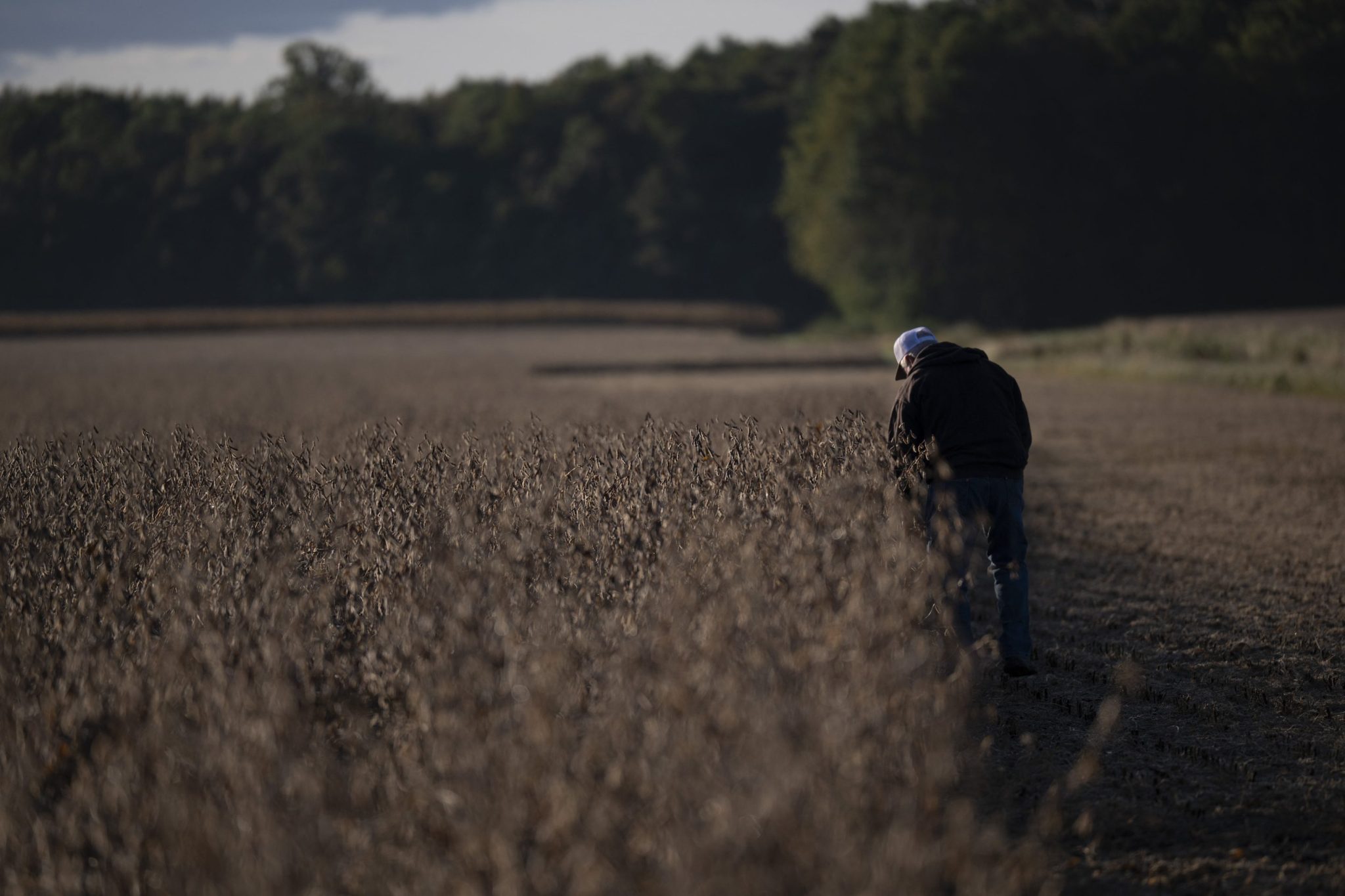
American farmers are currently facing a massive crisis caused by a combination of trade taxes, international conflict, and a record-breaking drought. These three factors have created a "perfect storm" that makes growing food more expensive and difficult than ever before. As farmers struggle to pay for fuel and fertilizer while dealing with dry soil, experts warn that grocery store prices will likely continue to climb for the rest of the year.
Main Impact
The biggest impact of this situation is the rising cost of living for everyday people. When it costs more for a farmer to run a tractor or feed cows, those costs eventually show up on the price tags of milk, meat, and bread. Additionally, the extreme drought is killing crops before they can even grow, which means there will be less food available. This shortage naturally makes prices go up even further, hitting families who are already struggling with inflation.
Key Details
What Happened
The trouble began with trade policies that placed high taxes, or tariffs, on goods coming into the country. This made it more expensive for farmers to buy the tools and supplies they need. Soon after, wars in the Middle East disrupted global shipping routes. Specifically, a key waterway called the Strait of Hormuz has become difficult to pass through. Because this route is used to move a large portion of the world's fertilizer and oil, supplies have dropped and prices have jumped.
On top of these human-made problems, nature has added a new challenge. A historic drought is currently affecting a huge part of the United States. Unlike normal summer dry spells, this drought started very early in the year, drying out the ground just as farmers were trying to plant their seeds.
Important Numbers and Facts
- 61% of the lower 48 states are currently experiencing drought conditions.
- 97% of the Southeast region is suffering from extreme dryness.
- 70% of farmers reported in a recent survey that they can no longer afford the fertilizer they need for their crops.
- 70% of the nation's winter wheat is growing in areas affected by the drought.
- Food prices are now expected to rise by 3.6% in 2026, which is higher than earlier estimates.
Background and Context
To understand why this is so serious, it helps to know how farming works. Farmers rely on "inputs," which are things like seeds, fuel for machinery, and fertilizer to help plants grow. Over the last year, the price of these inputs has gone up because of trade wars and global conflicts. When you add a drought to high costs, the risk of failure becomes very high.
The timing of the current drought is also a major concern. March 2026 was the warmest March ever recorded. Usually, snow melts slowly in the spring to provide water for farms. This year, the heat caused the snow to disappear too fast, leaving the soil dry right when young plants needed moisture the most. This prevents plants from growing strong roots or making seeds, which leads to a much smaller harvest in the fall.
Public or Industry Reaction
Agricultural experts are worried about the long-term effects on the industry. Economists from major universities have noted that this is a rare and difficult situation because so many problems are happening at the same time. The American Farm Bureau Federation found that the vast majority of farmers are feeling squeezed by the high cost of supplies. While the government provides insurance for failed crops, this insurance does not cover the high cost of fuel or fertilizer. This leaves many farmers to pay these massive bills on their own, forcing some to consider leaving the business entirely.
What This Means Going Forward
Looking ahead, the situation could get worse before it gets better. There is a strong chance that a weather pattern called El Niño will arrive later this year. This could bring even hotter temperatures to some parts of the country, drying out the land even more. If the drought continues, it will affect more than just vegetables and grain. It will also make animal feed more expensive. When it costs more to feed cattle, the price of beef and dairy stays high for a long time. We are already seeing this with beef prices, which are rising much faster than other types of food.
Final Take
The current crisis shows how closely our food supply is tied to world events and the environment. Farmers are working hard to adapt, but they are facing challenges that are out of their control. For the average person, this means the high cost of groceries is not just a temporary problem. It is the result of a complicated mix of global issues that will take time to resolve. As long as fuel stays expensive and the rain stays away, the pressure on the American dinner table will remain.
Frequently Asked Questions
Why are food prices going up so much?
Prices are rising because it costs farmers more to grow food. High fuel prices make it expensive to run tractors, and global conflicts have made fertilizer very hard to find and buy. A major drought is also reducing the amount of food produced.
How does the drought affect meat prices?
Drought dries up the crops used for animal feed, like corn and soy. When feed becomes expensive or hard to find, it costs more to raise cows and chickens. These higher costs are passed on to shoppers at the meat counter.
Can the government help farmers with these costs?
The government offers crop insurance, which helps if a harvest fails due to weather. However, this insurance usually does not help farmers pay for the rising costs of supplies like fuel and fertilizer, leaving them to handle those bills themselves.



