Summary
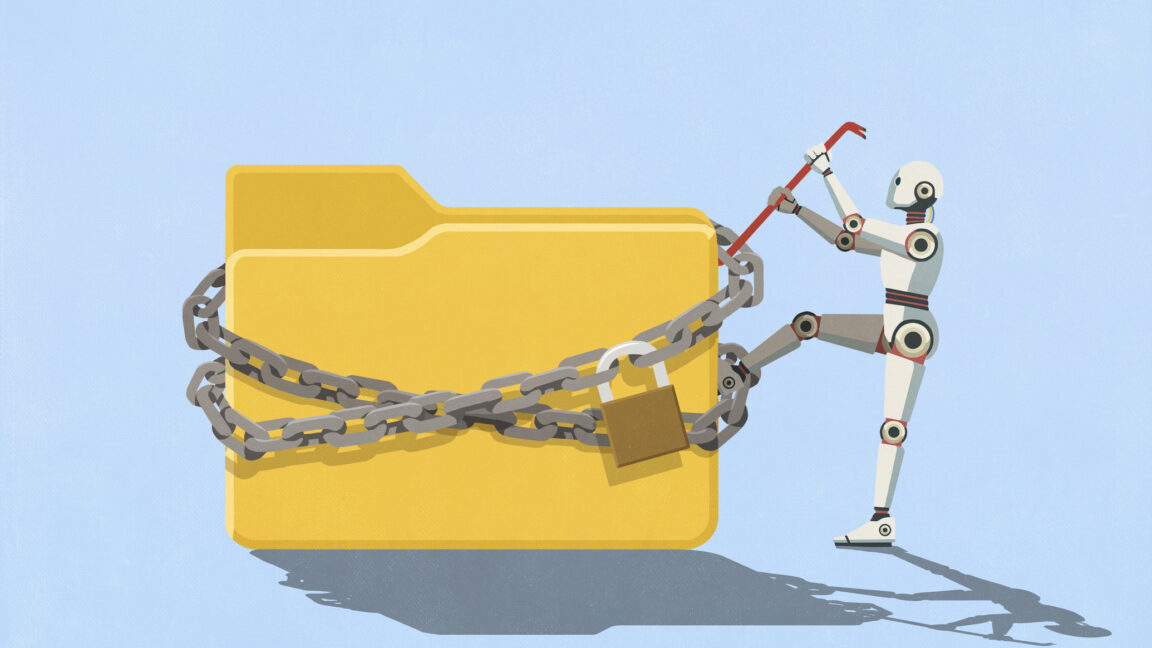
Mozilla recently shared surprising news about the security of its latest web browser, Firefox 150. Using a new artificial intelligence tool from a company called Anthropic, Mozilla discovered 271 hidden security flaws in the browser's code before it was released to the public. These flaws, known as zero-day vulnerabilities, are dangerous because they are unknown to the developers until they are found. This massive discovery shows that AI is becoming much faster and more accurate at finding software bugs than ever before.
Main Impact
The most significant impact of this news is the sheer scale of the discovery. Finding 271 security issues in a single version of a browser is an incredible feat. In the past, security teams and human researchers might find only a handful of these serious bugs over several months. By using the Mythos Preview AI model, Mozilla was able to identify and address these risks before hackers could exploit them. This suggests a major shift in digital safety, where defenders can use AI to stay several steps ahead of cybercriminals.
Key Details
What Happened
Mozilla was given early access to a powerful new AI model named Mythos Preview, created by Anthropic. Mozilla’s security team allowed the AI to scan the unreleased source code for Firefox 150. The AI acted like a super-fast editor, reading through millions of lines of code to find mistakes that could lead to security breaches. The results were far beyond what the team expected, leading to a much cleaner and safer final version of the browser for everyday users.
Important Numbers and Facts
The jump in AI capability is clearly visible when looking at the data. Just last month, Mozilla used an older AI model called Opus 4.6 to scan Firefox 148. That model found only 22 security-sensitive bugs. In contrast, the new Mythos model found 271 bugs in Firefox 150. This represents more than a ten-fold increase in the AI's ability to spot problems. Because of this power, Anthropic has decided to limit who can use Mythos, sharing it only with a small group of trusted industry partners for now.
Background and Context
To understand why this matters, it helps to know how software is built. Modern web browsers like Firefox are incredibly complex, containing millions of lines of code written by many different people. Even the best human programmers make small mistakes. These mistakes can become "vulnerabilities" that hackers use to steal data or take control of a computer. For years, there has been a constant race between the "good guys" who try to fix these bugs and the "bad guys" who try to find them first. Until now, it often felt like the hackers were winning because finding bugs in such a huge amount of code is very difficult for humans.
Public or Industry Reaction
The reaction to this news has been a mix of excitement and worry. Bobby Holley, the Chief Technology Officer at Firefox, expressed great optimism. He suggested that for the first time, the people defending our software might have a decisive advantage over those trying to attack it. However, some experts are concerned. They worry that if such a powerful tool falls into the wrong hands, it could be used to create "turbocharged" hacking tools. There is an ongoing debate about whether this AI is a helpful shield for the internet or a dangerous weapon that could make hacking easier for everyone.
What This Means Going Forward
In the coming months, we will likely see more software companies turning to AI to check their work. This could lead to a new standard for software releases where every update is scanned by an advanced AI before it reaches users. While this makes our apps and browsers safer, it also raises the stakes. If hackers develop their own versions of Mythos, the speed of cyberattacks could increase. Companies will need to be even more careful about how they protect their code and the AI tools they use to scan it. We are entering a time where the safety of the internet depends heavily on who has the best AI.
Final Take
The discovery of 271 bugs in Firefox 150 marks a turning point in cybersecurity. It proves that AI is no longer just a helpful assistant but a necessary tool for keeping the digital world safe. While the potential for misuse is real, the ability to find and fix hundreds of flaws in an instant gives software makers a powerful way to protect their users. The era of manual security checks is ending, and a new age of AI-driven defense has begun.
Frequently Asked Questions
What is a zero-day vulnerability?
A zero-day vulnerability is a security flaw in software that the developers do not know about yet. It is called "zero-day" because the developers have had zero days to fix it before it might be discovered by a hacker.
Is Firefox 150 safe to use?
Yes, it is actually safer because of this AI scan. Mozilla used the AI to find these 271 flaws so they could fix them before the browser was released to the public. This means the version you download is much more secure than it would have been otherwise.
Why is Anthropic limiting access to the Mythos AI?
Anthropic is limiting access because the tool is so good at finding security holes. They want to make sure it is used by companies to fix software rather than by hackers to find new ways to break into systems.