
Summary
The federal government recently approved major disaster aid for seven states, providing a boost to communities recovering from extreme weather. However, many other states and tribes are still waiting for answers on their requests for help. Some leaders in states led by Democrats have expressed frustration, claiming their requests are being denied despite clear evidence of damage. These delays come at a difficult time, as a long-running government shutdown has left disaster funds low and created uncertainty for local officials.
Main Impact
The approval of disaster declarations for states like Alaska, Idaho, and South Carolina means they can finally access federal money to fix broken roads and help residents. While this is good news for those specific areas, the broader impact shows a shift in how the government handles emergencies. The process is moving much slower than it did in the past, and there is a growing push to make states pay for more of their own recovery costs. This change is making it harder for some communities to get back on their feet after a crisis.
Key Details
What Happened
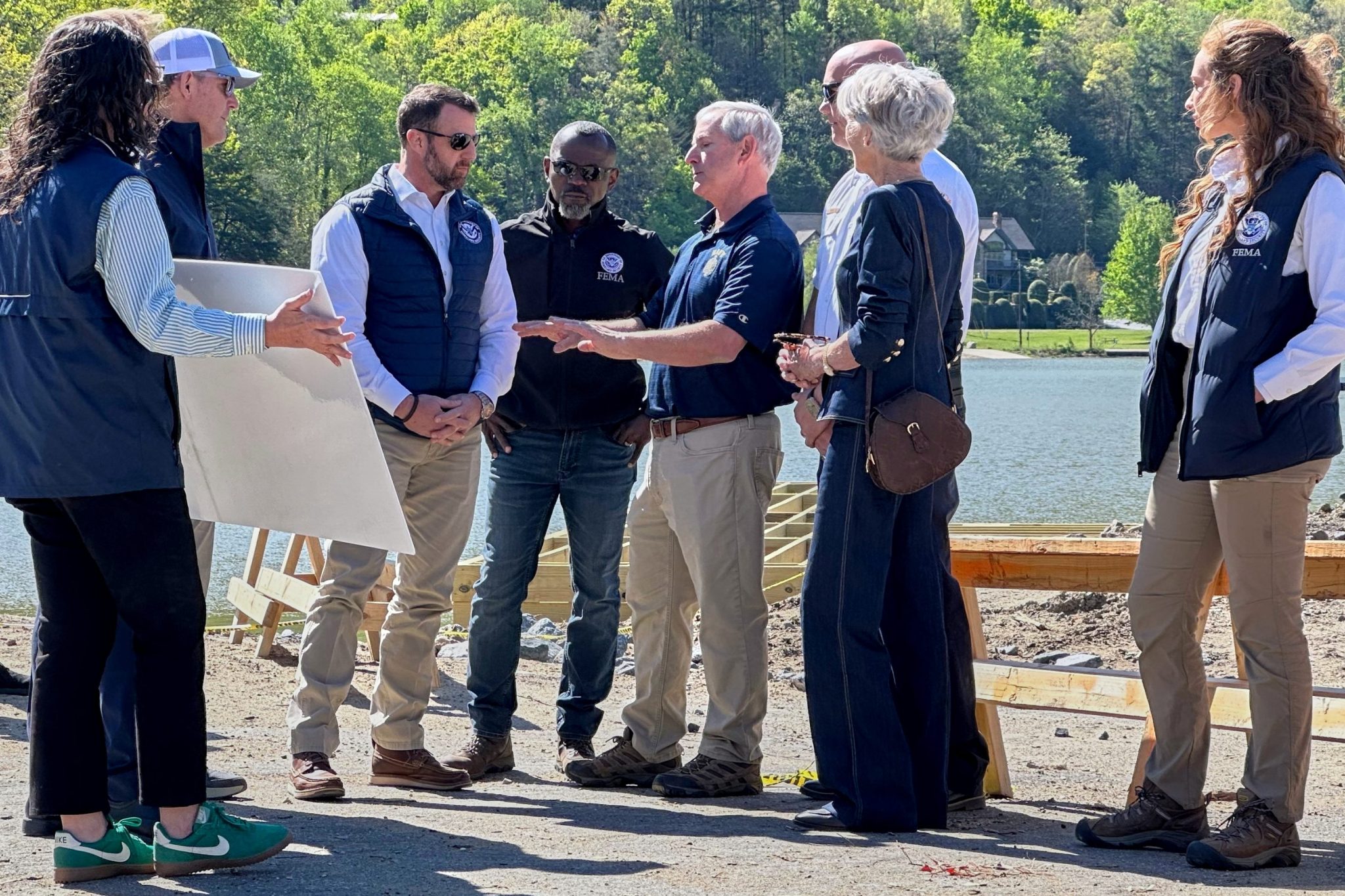
This week, the Federal Emergency Management Agency (FEMA) announced that seven states were granted major disaster declarations. These states include Alaska, Idaho, Montana, Oregon, South Carolina, South Dakota, and Washington. This move allows these areas to get federal funding for public repairs and aid for individuals. The decision comes shortly after Markwayne Mullin took over as the head of the Department of Homeland Security (DHS). He replaced the previous leader, Kristi Noem, who was removed from the position in March.
While these seven states received help, about 15 other requests from different states and tribes are still waiting for a decision. Some of these requests are for weather events that happened over a year ago. Additionally, some states are appealing decisions after being told "no" the first time they asked for help.
Important Numbers and Facts
The speed of federal help has changed significantly over the years. In the 1990s and early 2000s, it usually took less than two weeks for a state to get an answer on a disaster request. Today, the average wait time has grown to more than a month. In some cases, the wait is even longer. For example, Arizona has been waiting nearly three months for an answer on an appeal after its initial request was denied.
Money is also a major concern. The current shutdown of the DHS has lasted eight weeks. While FEMA can still respond to disasters during a shutdown, its main fund is running low. There is a bill in Congress that would add more than $26 billion to this fund, but it cannot move forward until the shutdown ends. Furthermore, the administration has not approved any "hazard mitigation" funding for over a year. This is money usually given to help communities build stronger structures that can survive future storms.
Background and Context
FEMA is the federal agency responsible for helping people before, during, and after disasters. When a big storm, flood, or fire happens, a state governor can ask the President to declare a "major disaster." If the President agrees, the federal government pays for a large portion of the cleanup and repair costs. This system was designed to ensure that no single state has to face a massive financial burden alone.
However, the current administration has a different view. The President has stated that he wants states to take more responsibility for their own disasters. The goal is to have local governments invest more in their own safety and repairs before a disaster even happens. While this might save federal tax money, it puts a lot of pressure on state budgets, especially in places that face frequent extreme weather.
Public or Industry Reaction
The reaction to these decisions has been mixed. While the states that received aid are relieved, others are angry. Maryland Governor Wes Moore, a Democrat, called the denial of aid to his state "deeply frustrating." Maryland had asked for help after flooding caused over $33 million in damage, but the request was turned down twice. Leaders in other Democrat-led states have raised similar concerns, suggesting that politics might be playing a role in who gets help and who does not.
On the federal side, officials defend the decisions. They argue that federal money should only be used to supplement what states are already doing, not to replace state responsibility. They believe that by being more selective with aid, they are protecting the interests of all taxpayers and encouraging states to be better prepared.
What This Means Going Forward
The timing of these delays is a major concern because the Atlantic hurricane season begins on June 1. If the disaster fund is not replenished soon, FEMA may not have enough money to handle a major storm. The new DHS Secretary, Markwayne Mullin, has promised to speed up the process and clear out the backlog of requests. He plans to work closely with the President to make sure decisions are made faster.
However, the long-term plan for FEMA remains unclear. A special council is expected to release a report soon that could suggest big changes to how the agency works. If the federal government continues to pull back on disaster spending, states will have to find new ways to fund their own recovery efforts. This could lead to higher local taxes or slower repairs in the future.
Final Take
The recent approval of aid for seven states shows that the federal government is still willing to help, but the rules of the game are changing. With longer wait times and more denials, states can no longer assume that federal money will always be there to save them. As weather events become more frequent and severe, the tension between federal control and state responsibility will likely continue to grow, leaving many communities caught in the middle.
Frequently Asked Questions
Why are some states being denied disaster aid?
The federal government says it wants states to be more self-reliant and invest in their own repairs. Decisions are made at the President's discretion, and some states have been told their damages do not meet the requirements for federal help.
How has the wait time for disaster help changed?
In the past, states usually received an answer in about two weeks. Currently, the average wait time has increased to over a month, with some states waiting several months for a final decision.
Does the government shutdown stop FEMA from working?
FEMA can still respond to emergencies during a shutdown, but its Disaster Relief Fund is running low. Without a new budget from Congress, the agency may struggle to pay for long-term recovery and new disasters.



