
Summary
A federal appeals court has stopped a California law that required federal immigration agents to wear badges or visible identification while on duty. The court ruled that the state does not have the power to tell federal employees how to do their jobs. This decision comes after the federal government argued that the law put agents at risk of harassment and violence. The ruling is a significant win for federal authority over state-level regulations.
Main Impact
The decision by the 9th U.S. Circuit Court of Appeals reinforces a long-standing legal rule: states cannot control the federal government. By blocking this law, the court has sent a clear message that federal agencies like Immigration and Customs Enforcement (ICE) follow federal rules, not state ones. This prevents California from setting its own standards for how federal agents must identify themselves in public.
For the agents on the ground, this ruling means they do not have to change their current practices to meet California's requirements. The federal government argued that forcing agents to show their names or ID numbers makes them targets for "doxing." Doxing is when someone’s private information is shared online to encourage harassment. The court’s move protects these agents from such risks while the legal battle continues.
Key Details
What Happened
In 2025, California passed a law aimed at increasing transparency among law enforcement. Part of this law required federal agents to wear a badge or some type of ID. The Trump administration did not agree with this and filed a lawsuit in November 2025. They argued that California was overstepping its bounds and interfering with federal operations.
A three-judge panel reviewed the case and decided to put the law on hold. Judge Mark J. Bennett wrote the opinion for the court. He explained that the law was a direct attempt by a state to regulate the United States government. Because the federal government has its own rules for its workers, the state cannot add its own requirements on top of them.
Important Numbers and Facts
The legal fight reached a turning point during a hearing on March 3. At that time, lawyers from the Justice Department argued that the law violated the "Supremacy Clause" of the U.S. Constitution. This clause says that federal law is the highest law in the land. If a state law conflicts with a federal function, the state law usually loses.
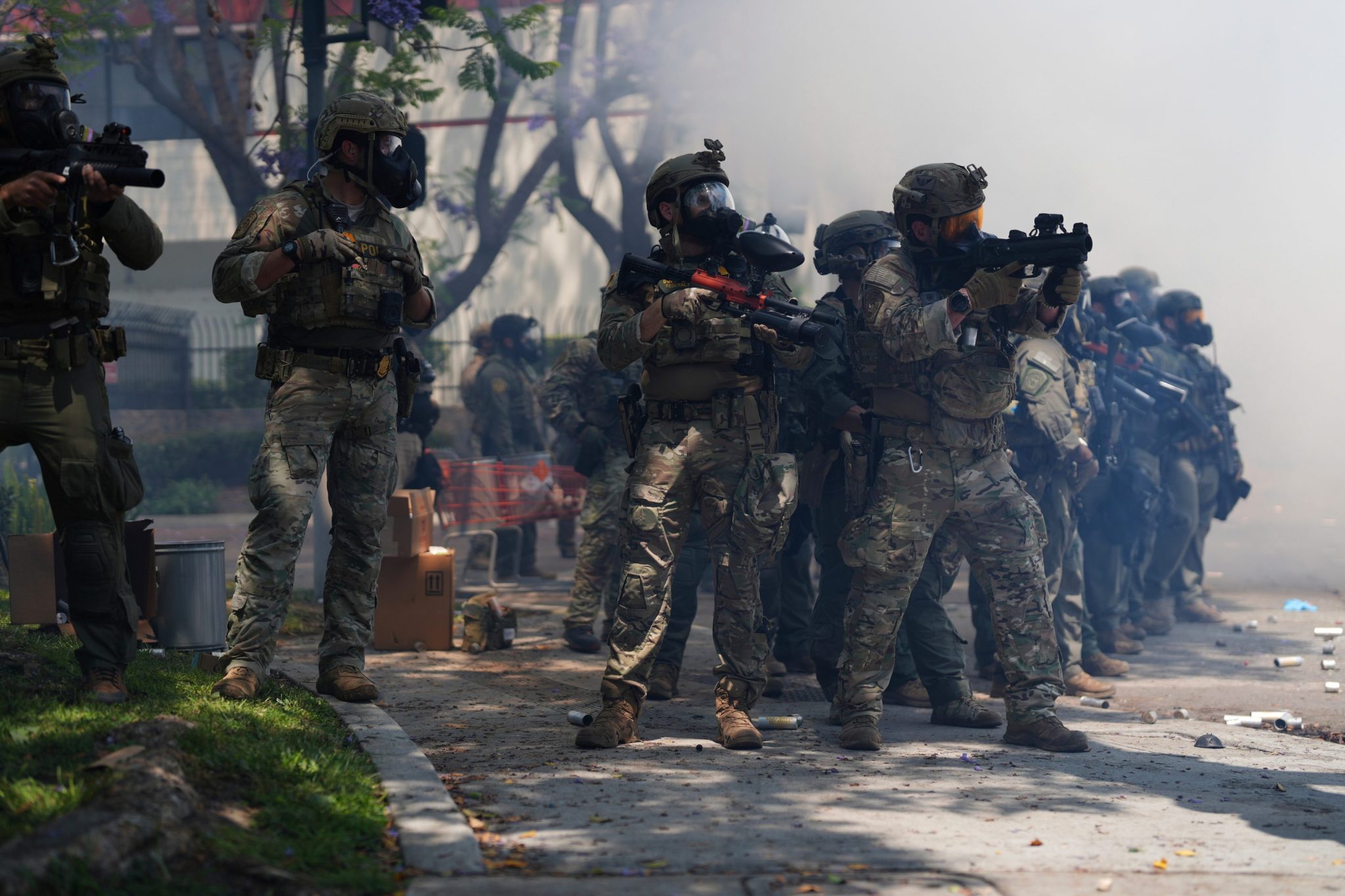
This is not the only California law that has been challenged recently. In February, a federal judge blocked another measure that would have stopped law enforcement officers from wearing masks or face coverings. That law had some exceptions for safety gear like N95 masks or tactical equipment, but it was still seen as a problem for federal agents who need to protect their identities during certain operations.
Background and Context
The tension between California and the federal government over immigration is not new. For years, California has passed laws to limit how much local police help federal immigration agents. These are often called "sanctuary" policies. The state argues these laws help build trust with immigrant communities. However, the federal government often sees these laws as obstacles to enforcing national immigration rules.
The badge law was part of a larger effort by California leaders to make sure all law enforcement officers are held accountable. They believe that if an officer is doing something wrong, the public should be able to identify them. While this makes sense for state and local police, applying it to federal agents creates a legal conflict because those agents answer to Washington, D.C., not the state capital in Sacramento.
Public or Industry Reaction
Supporters of the California law say it is about basic civil rights. They argue that no one should be able to arrest or detain people without showing who they are. They believe that federal agents should follow the same transparency rules as local police officers to ensure safety and fairness for everyone.
On the other side, federal officials and law enforcement unions have praised the court's decision. They argue that immigration enforcement is a dangerous job. They believe that making agents' identities public could lead to threats against the agents and their families. They also point out that federal agents already follow strict internal rules and are not "above the law," even if they don't follow state-specific ID rules.
What This Means Going Forward
The case is not completely over, but the "injunction" means the law cannot be enforced while the court continues to look at the details. It is likely that California will try to appeal this decision to a higher court. However, the current ruling makes it very difficult for the state to win. The court was very clear that states do not have the authority to regulate federal functions.
This ruling might also affect other states that are considering similar laws. If a state wants to force federal agents to follow local rules, they will now have to deal with this legal precedent. It suggests that any state law targeting federal agents will likely be struck down if it interferes with how the federal government chooses to run its agencies.
Final Take
This court ruling highlights the clear line between state and federal power. While California wants more transparency and accountability, the Constitution gives the federal government the right to manage its own agents without state interference. For now, federal agents in California will continue to follow federal guidelines regarding their identification and safety gear, keeping their identities protected from state-mandated disclosure.
Frequently Asked Questions
Why did the court block the California law?
The court blocked the law because it tried to regulate the federal government. Under the U.S. Constitution, states cannot tell federal agencies how to perform their duties or manage their employees.
What was the federal government's main concern?
The federal government was concerned about the safety of its agents. They argued that forcing agents to wear visible ID would lead to harassment, doxing, and physical threats against them and their families.
Does this ruling affect local police in California?
No, this ruling specifically applies to federal agents. State and local law enforcement officers in California must still follow state laws regarding identification and badges as required by their departments.



