
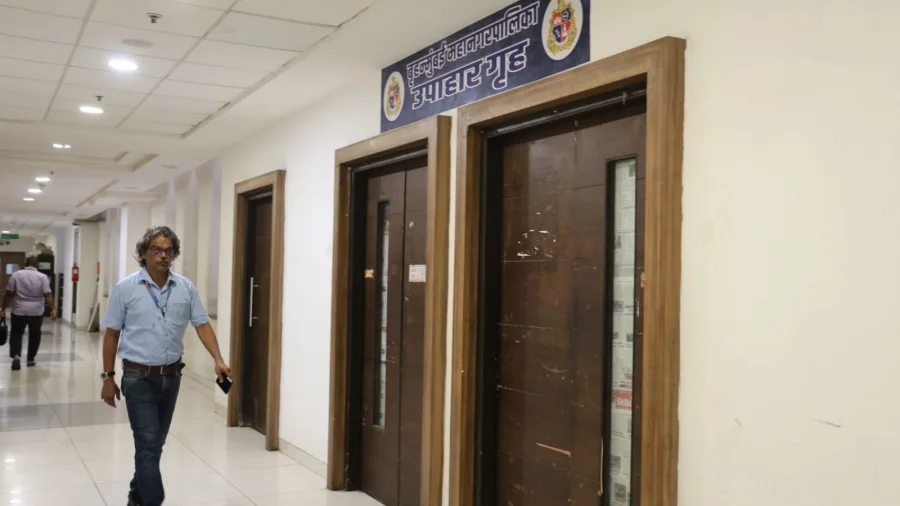
In a significant enforcement action, the Maharashtra Food and Drug Administration (FDA) has shut down a canteen operated by the Brihanmumbai Municipal Corporation (BMC) in Mumbai. The closure, part of a broader crackdown on food safety violations, has sent a clear message about the importance of hygiene standards in public institutions.
What Led to the FDA Action Against the BMC Canteen?
The FDA's decision came after an inspection revealed serious food safety violations at the canteen. While specific details of the violations have not been fully disclosed, sources indicate issues related to poor hygiene, improper storage of food items, and lack of compliance with the Food Safety and Standards Act, 2006. The canteen, which served employees and visitors, was found to be operating in conditions that posed a risk to public health.
Why This Crackdown Matters for Mumbai Residents
This action is not just about one canteen. It underscores the FDA's commitment to enforcing food safety laws across all establishments, including those run by government bodies. For Mumbai residents, it raises awareness about the potential risks in places where food is prepared and served. The closure also highlights the need for regular inspections and accountability, even in municipal facilities that are expected to set an example.
Timeline of the FDA's Food Safety Drive
The FDA has been conducting a series of inspections across Mumbai in recent months, targeting restaurants, street food vendors, and now, institutional canteens. This latest action against the BMC canteen is part of a sustained effort to improve food safety standards in the city. Previous drives have led to the closure of several popular eateries for similar violations, indicating a zero-tolerance approach by the regulatory body.
Who Is Affected by the BMC Canteen Closure?
The immediate impact is on BMC employees and visitors who relied on the canteen for affordable meals. Many are now left without a convenient dining option, forcing them to seek alternatives. The closure also affects the canteen staff, whose livelihoods are temporarily disrupted. For the broader public, it serves as a reminder that food safety is a shared responsibility, and that even government-run facilities are not immune to scrutiny.
Official Response from the FDA and BMC
The FDA has not issued a detailed public statement regarding the specific violations found at the BMC canteen. However, officials have confirmed that the action was taken under the Food Safety and Standards Act. The BMC, on its part, has acknowledged the closure and stated that it will take corrective measures to address the issues raised. A re-inspection will be required before the canteen can resume operations.
Analysis: What This Means for Food Safety Enforcement
This action signals a shift in the FDA's enforcement strategy, moving beyond commercial eateries to include public sector facilities. It demonstrates that no establishment is above the law when it comes to food safety. The move also puts pressure on other municipal bodies and government institutions to review their own food handling practices. For consumers, it reinforces the importance of vigilance and the role of regulatory bodies in protecting public health.
Confirmed Facts vs What Remains Unclear
Confirmed: The FDA shut down a BMC canteen in Mumbai due to food safety violations. The action is part of a broader crackdown. Unclear: The exact nature of the violations, the duration of the closure, and whether any fines have been imposed. The FDA has not yet released a detailed report. All speculation about specific hygiene issues should be treated as unconfirmed until official information is available.
Risks and Balanced View
While the FDA's action is a positive step for public health, some may argue that the closure could cause inconvenience to employees. However, the priority must be on ensuring safe food. Critics may also point to the need for more preventive measures rather than reactive closures. The BMC must now demonstrate its commitment to rectifying the issues and preventing future violations.
Wider Trend: Rising Food Safety Enforcement in India
This incident is part of a larger trend of stricter food safety enforcement across India. The FSSAI and state FDAs have been increasingly active in conducting inspections and taking action against violators. From high-end restaurants to street vendors, no one is exempt. This shift is driven by growing public awareness and demand for safer food, as well as legal mandates under the Food Safety and Standards Act.
Practical Guidance for Canteen Users and Managers
For those who use institutional canteens, it is important to be aware of basic hygiene indicators such as cleanliness, proper food storage, and staff hygiene. If you notice any issues, report them to the local FDA or municipal authorities. For canteen managers, regular self-audits and compliance with FSSAI guidelines are essential to avoid enforcement actions. Training staff on food safety practices can also help prevent violations.
Future Outlook: What Happens Next?
The BMC canteen will remain closed until it meets the FDA's standards. A re-inspection will determine when it can reopen. The FDA may also issue a public report detailing the violations, which could serve as a warning to other facilities. In the long term, this action could lead to more rigorous inspections of all municipal canteens in Mumbai, setting a new benchmark for food safety in public institutions.
Our Take
The FDA's decision to shut down a BMC canteen is a necessary and welcome move. It reinforces the principle that food safety is non-negotiable, regardless of who operates the facility. While the inconvenience to employees is unfortunate, it is a small price to pay for ensuring public health. This action should serve as a catalyst for broader reforms in how food is handled in government institutions, and a reminder to all food businesses that compliance is not optional.
Frequently Asked Questions
Why did the FDA shut down the BMC canteen?
The FDA shut down the canteen after an inspection found serious food safety violations, including poor hygiene and improper food storage, which violated the Food Safety and Standards Act.
Is the BMC canteen permanently closed?
No, the closure is temporary. The canteen can reopen after the BMC addresses the violations and passes a re-inspection by the FDA.
What should I do if I see food safety issues in a canteen?
You can report concerns to the local FDA office or municipal authorities. It helps to note the date, time, and specific issues observed.
Does this affect other BMC facilities?
Not directly, but it may lead to increased inspections of other BMC-run canteens and facilities to ensure compliance with food safety standards.



