
Summary
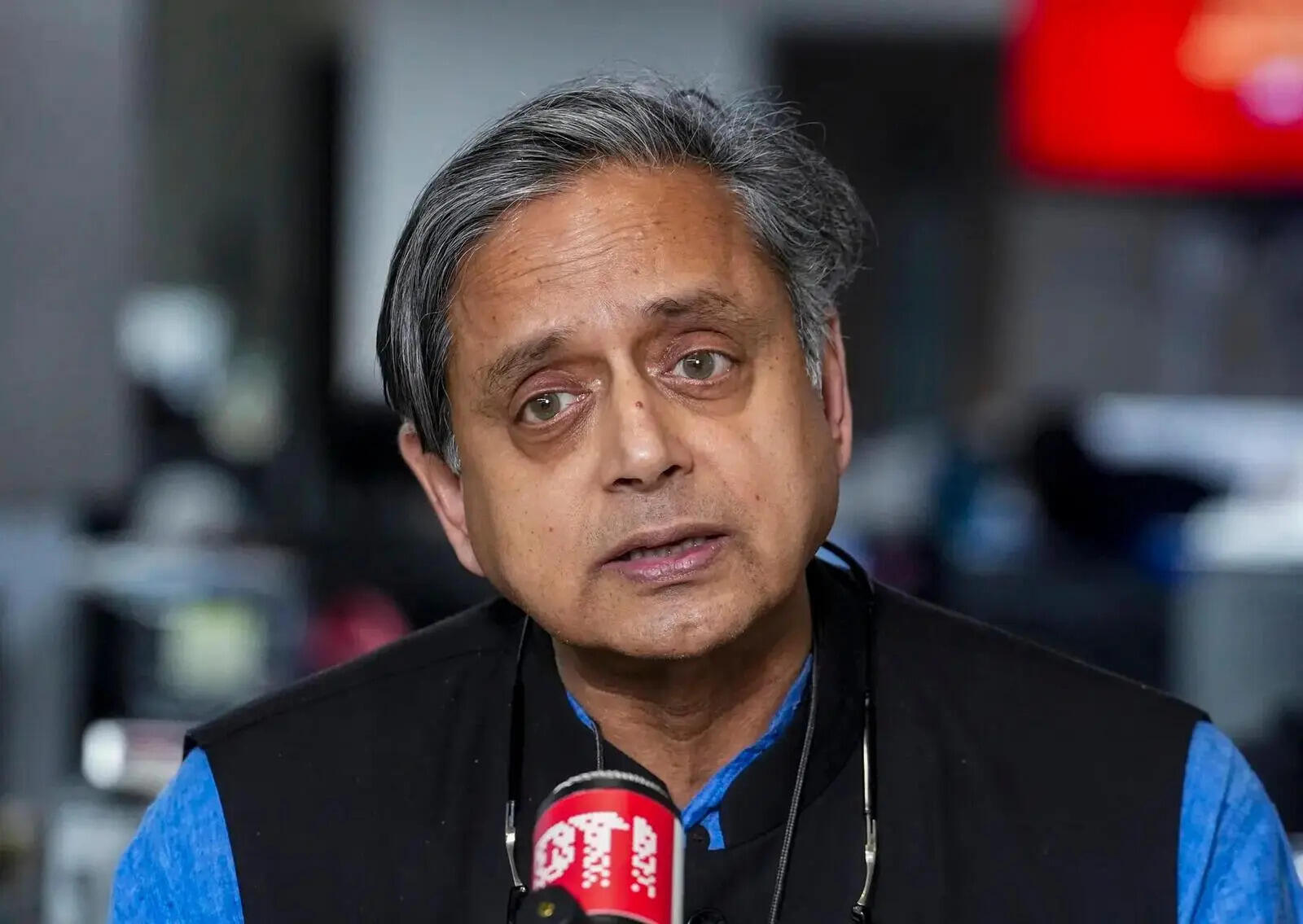
Shashi Tharoor, a senior leader from the Congress party, has raised serious concerns about the Foreign Contribution Regulation Act (FCRA) Amendment Bill. While there are reports that the central government might withdraw the bill, Tharoor remains skeptical about the government's long-term plans. He warned that the bill could be brought back later in a different form. The main worry is that these legal changes create a lot of fear and stress for religious minorities and non-profit groups across India. Tharoor and other opposition leaders have promised to stay alert to ensure that any new rules do not unfairly target specific communities.
Main Impact
The primary impact of this development is the growing tension between the government and civil society organizations. The FCRA rules decide how non-governmental organizations (NGOs) can receive and use money from donors outside of India. When these rules become stricter, it often makes it very hard for small groups to continue their work. Many of these groups focus on helping the poor, providing education, or supporting minority rights. If the bill moves forward, it could lead to a situation where many charities have to close down because they cannot meet the tough new requirements. This has caused a sense of unease among people who rely on these organizations for support.
Key Details
What Happened
Recently, news began to circulate that the central government might be planning to pull back the FCRA Amendment Bill. This bill has been a major point of debate in the Indian Parliament for some time. Shashi Tharoor, who is a Member of Parliament (MP), spoke out to say that a simple withdrawal might not be the end of the story. He believes the government might just be waiting for a better time to reintroduce the same ideas. He emphasized that the opposition parties are watching the situation very closely. They want to make sure that the rights of NGOs and minority groups are protected from any sudden legal changes that could hurt their ability to function.
Important Numbers and Facts
The FCRA was first created to make sure that foreign money does not influence Indian politics or internal affairs. Over the last few years, the government has cancelled the licenses of thousands of NGOs. Reports show that many of these groups were told they did not follow the paperwork rules correctly. The new amendment bill sought to add even more layers of control. For example, it proposed stricter limits on how much money could be spent on administrative costs and where the money must be kept. These changes have made it difficult for groups that do not have large legal teams to stay in compliance with the law.
Background and Context
To understand why this is such a big deal, it helps to know what the FCRA does. In simple terms, it is a gatekeeper. Any group in India that wants to take a donation from someone in another country must have a special license under this act. In the past, this was a fairly standard process. However, in recent years, the rules have become much more complex. The government says these changes are necessary to stop "anti-national" activities and to ensure that foreign money is used for the right reasons. On the other hand, critics argue that the law is being used as a tool to silence people who disagree with the government's policies. They say that by cutting off funding, the government can effectively stop the work of groups that speak up for human rights or environmental protection.
Public or Industry Reaction
The reaction from the public and the NGO sector has been one of deep concern. Many leaders of social organizations have stated that the constant changes to the law make it impossible to plan for the future. Religious minority groups have also expressed that they feel singled out by these regulations. They worry that their schools, hospitals, and community centers will lose the help they get from supporters abroad. Within the political space, the opposition has used this issue to highlight what they call a "climate of fear." They argue that a healthy democracy needs independent groups that can work without being afraid of the government taking away their funding overnight.
What This Means Going Forward
Looking ahead, the situation remains uncertain. If the government does withdraw the bill, it might provide some temporary relief for NGOs. However, as Shashi Tharoor pointed out, the threat of it returning is still there. The opposition plans to keep the pressure on during future sessions of Parliament. For NGOs, the next few months will be a time of waiting and watching. They will need to be extra careful with their paperwork and compliance to avoid losing their licenses. The international community is also watching, as these laws affect how global charities can work within India. The balance between national security and the freedom of social groups will continue to be a major topic of discussion.
Final Take
The debate over the FCRA Amendment Bill is about more than just money; it is about the role of independent voices in society. While it is important to have transparent rules for foreign funding, those rules should not be so hard that they stop good work from happening. Protecting the rights of minorities and the ability of NGOs to serve the public is vital for a fair and open country. The vigilance of leaders like Shashi Tharoor suggests that this issue will remain at the center of Indian politics for a long time.
Frequently Asked Questions
What is the FCRA?
The FCRA stands for the Foreign Contribution Regulation Act. It is a law in India that controls how individuals and organizations can receive and use money donated from foreign countries.
Why is Shashi Tharoor worried about the bill?
He is worried because he believes the proposed changes create fear among religious minorities and make it too difficult for NGOs to operate. He also fears the government might reintroduce the bill even if they withdraw it now.
How does this bill affect NGOs?
The bill introduces stricter rules on how NGOs can spend their money and requires more complicated reporting. This can lead to many groups losing their funding or being forced to stop their social and charitable work.



