
Summary
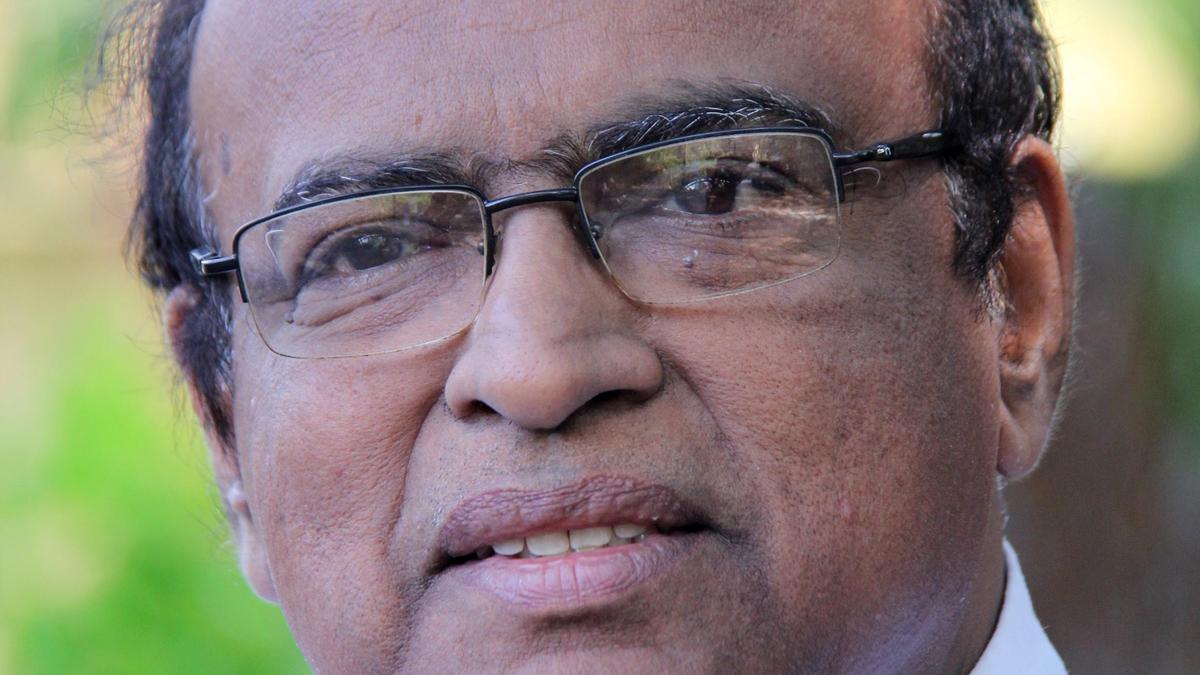
The city of Thrissur recently said a final, tearful goodbye to Father Francis Alapatt, a man who spent his life serving both the church and the medical field. Known as a dedicated priest and a skilled doctor, he was a symbol of hope for many poor patients in Kerala. In a final act of kindness that matched his life’s work, his body was donated to the Jubilee Mission Medical College and Research Institute. This decision was made according to his own wishes, ensuring that even after his death, he would continue to help others by aiding medical education.
Main Impact
The passing of Father Francis Alapatt has left a large void in the community of Thrissur and the wider medical circles of Kerala. He was one of the few individuals who successfully balanced the roles of a spiritual leader and a medical professional. His death is not just the loss of a religious figure but also the loss of a humanitarian who fought for the health of the underprivileged. By choosing to donate his body to science, he has set a powerful example for the public. This act helps break the social stigma often associated with body donation and highlights the importance of supporting medical research and the training of future doctors.
Key Details
What Happened
Father Francis Alapatt passed away after a long life of service. A special ceremony was held in Thrissur where people from all parts of society came to pay their respects. Unlike a traditional funeral that ends in a burial or cremation, this event focused on honoring his life before his body was moved to the hospital. The atmosphere was filled with emotion as family members, fellow priests, medical students, and former patients gathered to see him one last time. The handover of his body to the Jubilee Mission Hospital was done with great respect, following the religious and medical protocols he had respected throughout his career.
Important Numbers and Facts
Father Alapatt was a senior member of the Catholic Church in Thrissur. He served for many decades at the Jubilee Mission Medical College and Research Institute, an institution that is well-known for providing affordable healthcare. During his time there, he treated thousands of patients, many of whom could not afford expensive treatments elsewhere. He was often seen working long hours, moving between his duties at the altar and his duties in the hospital wards. His decision to donate his body makes him part of a small but growing group of religious leaders who choose science over traditional burial to benefit society.
Background and Context
To understand why Father Francis Alapatt was so loved, one must look at his dual role. In many parts of India, priests are seen as spiritual guides, while doctors are seen as lifesavers. Father Alapatt was both. He believed that healing the body was just as important as healing the soul. He spent his years working in Thrissur, a city known for its rich culture and strong community ties. The Jubilee Mission Hospital, where he spent most of his career, started as a small clinic and grew into a major medical college. Father Alapatt played a big part in this growth, always pushing for better facilities and more care for the poor. His life story is a reminder of a time when service to the community was the highest priority for professionals.
Public or Industry Reaction
The reaction to his death was immediate and widespread. Local leaders praised him for his selfless nature and his ability to connect with people from all backgrounds. Many of his former students, who are now doctors themselves, spoke about how he taught them to be compassionate. They mentioned that he did not just teach them about medicine from books, but showed them how to treat patients with dignity. On social media and in local news, people shared stories of how he helped them during their darkest times. The medical community at Jubilee Mission expressed deep gratitude for his final gift, noting that having such a respected figure donate his body provides a huge boost to the morale of medical students and researchers.
What This Means Going Forward
The legacy of Father Francis Alapatt will live on through the students who will learn from his final donation. In the medical world, human cadavers are essential for students to understand the human body and practice surgical skills. By providing his body to the Jubilee Mission Medical College, he is directly contributing to the quality of healthcare for the next generation. Furthermore, his choice is expected to encourage more people in the region to sign up for organ and body donation. It sends a clear message that faith and science can work together for the good of humanity. The church and the hospital are expected to hold memorial events in the future to keep his spirit of service alive among the youth.
Final Take
Father Francis Alapatt lived a life that was entirely for others. From his early days as a priest to his long years as a doctor, he never stopped looking for ways to help. His final wish to donate his body shows that his commitment to service did not end with his last breath. He has left behind a lesson in humility and kindness that will be remembered in Thrissur for many years. While the community mourns his loss, they also celebrate a life that was truly well-lived.
Frequently Asked Questions
Who was Father Francis Alapatt?
He was a well-known Catholic priest and a medical doctor from Thrissur, Kerala, who dedicated his life to serving the poor through both religion and medicine.
Why was his body donated to a hospital?
It was his personal wish to donate his body to the Jubilee Mission Medical College to help medical students with their studies and research.
What was his connection to Jubilee Mission Hospital?
He served at the hospital for many years as a doctor and was a key figure in its development as a major center for healthcare and medical education in the region.



